
Laboratory and Test House Fees
In today’s quality-driven and compliance-focused environment, laboratories and test houses serve as the backbone of industrial reliability, safety assurance, and regulatory conformity. Whether operating in pharmaceuticals, construction, environmental science, or manufacturing, laboratories are expected to deliver precise, accurate, and internationally accepted results. To achieve this level of trust, many laboratories seek accreditation or authorization from recognized bodies such as the World Yellow Accreditation Body. However, one of the most important considerations for laboratories planning to obtain accreditation is understanding the structure of laboratory and test house fees, particularly those associated with test and calibration laboratory authorization expenses.
The fee structure for laboratory accreditation is designed with fairness, transparency, and sustainability in mind. Accreditation bodies like the World Yellow Accreditation Body follow a policy of reasonable moderation, ensuring that fees are neither excessive nor restrictive, thereby encouraging laboratories of all sizes to participate in the accreditation process. These fees are generally divided into two primary categories: initial certification fees and continuous licence or surveillance fees. Each of these components plays a vital role in maintaining the integrity and effectiveness of the accreditation system.
The initial certification fee is a one-time expense incurred during the application and assessment phase. This includes the cost of processing the application, reviewing documentation, and conducting the initial evaluation of the laboratory’s technical competence. Typically, the application fee covers accreditation for a defined number of standards or activities, making it cost-effective for laboratories that operate across multiple domains. However, if a laboratory seeks accreditation for additional standards beyond the included limit, a nominal fee is charged per additional standard.
This ensures that the evaluation effort required for broader scopes is fairly accounted for. In addition to the application fee, laboratories must also consider the cost of assessors’ travel and subsistence, which is usually charged at actual cost, as well as the daily rates for assessment activities, which depend on the size, scope, and location of the laboratory.
Once accreditation is granted, laboratories are required to maintain their status through continuous certification or surveillance. This involves periodic assessments to ensure that the laboratory continues to comply with the relevant standards and maintains the quality of its operations. The fee structure for continuous certification varies depending on the type of laboratory. For business or commercial laboratories, fees are typically based on the organization’s turnover. This approach ensures that larger organizations contribute proportionately more, while smaller laboratories are not overburdened financially. A base fee is applied for a certain level of turnover, and additional charges are calculated as a percentage of turnover beyond a specified threshold. This progressive fee model supports fairness and scalability within the accreditation system.
On the other hand, non-business or government laboratories are usually charged based on the number of tests conducted annually rather than financial turnover. This model aligns costs with operational activity, making it more suitable for public sector institutions where revenue may not accurately reflect workload. A base fee is applicable for a defined number of tests, and additional charges are applied for higher testing volumes. This ensures that laboratories conducting large numbers of tests contribute appropriately to the cost of maintaining accreditation services. Regardless of the category, a minimum fee is generally established to cover baseline administrative and operational expenses.
Several factors influence the overall cost of laboratory accreditation. These include the scope of accreditation, which determines the number and complexity of tests or calibration activities to be evaluated; the size and infrastructure of the laboratory, including personnel and equipment; and the geographic location, which affects travel and logistical costs for assessors. Additionally, the level of preparedness of the laboratory plays a significant role. Laboratories with well-established quality management systems, trained staff, and complete documentation often experience smoother assessments, reducing both time and cost. Conversely, laboratories that require extensive corrective actions may incur additional expenses.
Transparency in fee structures is essential for building trust between accreditation bodies and laboratories. Clear guidelines help organizations plan their budgets effectively and avoid unexpected costs. Accreditation bodies such as the World Yellow Accreditation Body emphasize openness in their pricing models, providing general guidance while encouraging applicants to seek customized quotations based on their specific requirements. This approach ensures that each laboratory receives a fair and accurate estimate tailored to its operations.
While accreditation involves a financial investment, it is important to view it as a strategic decision rather than a cost burden. The benefits of accreditation far outweigh the expenses, offering enhanced credibility, improved operational efficiency, and increased market acceptance. Accredited laboratories are more likely to be trusted by clients, regulators, and international partners, giving them a competitive advantage in the marketplace. Furthermore, regular assessments drive continuous improvement, helping laboratories maintain high standards of quality and performance.
Laboratories can adopt several strategies to optimize accreditation costs. Proper planning and clearly defining the scope of accreditation can prevent unnecessary expenses. Investing in staff training and conducting internal audits can improve readiness and reduce the likelihood of corrective actions during assessments. Maintaining well-organized documentation and adhering to standard procedures also contribute to a smoother evaluation process. Choosing a reputable accreditation body like the World Yellow Accreditation Body ensures not only fair pricing but also reliable and professional services.
In conclusion, laboratory and test house fees for test and calibration laboratory authorization are structured to balance affordability with the need to maintain a robust and credible accreditation system. By dividing costs into initial certification and continuous licensing, accreditation bodies provide a flexible and scalable model that accommodates laboratories of varying sizes and activities. Understanding these fees enables laboratories to plan effectively, manage costs, and achieve accreditation with confidence. Ultimately, accreditation is an investment in quality, reliability, and long-term success, reinforcing the laboratory’s role as a trusted provider of accurate and dependable results.
Laboratory and Test House Fees Test and Calibration Laboratory Authorization Expenses
WYAB follows a policy of reasonable moderation in its fee structure for test and calibration research centers. The objective is to recover the costs of certification activities based on either the turnover of the organization or the number of tests conducted during each accreditation cycle.
Accordingly, charges are based on two main areas:
- Initial Certification – Fees associated with processing and assessing an application.
- Continuous Licence – Fees determined by the level of activity related to gross turnover or testing volume.
Please note that several factors influence the cost of evaluating research centers. The information below is provided as general guidance only. Applicants are encouraged to contact WYAB to obtain additional details and a precise quotation.
Initial Licence (See Notes 1–2)
- Application fee: USD 1,900.00
- Charge per additional standard (more than five): USD 75.00
- Travel and subsistence costs for the authorization official: At cost
- Daily rate for authorization official and number of days: Subject to scope and location
(Enquiry recommended)
Continuous Certification Surveillance (See Notes 3–4)
Business Research Centers
- For the first USD 90,000 of organizational turnover: USD 1,250.00
- For additional turnover exceeding USD 450,000: 0.1%
- Travel and subsistence costs for authorization official: At cost
- Daily rate for authorization official and number of days: Subject to scope and location
(Enquiry recommended)
Non-Business / Government Research Centers
- For the first 50,000 tests per year: USD 1,250.00
- For additional tests beyond 50,000 per year: USD 25 per 1,000 tests
- Travel and subsistence costs for certification official: At cost
- Daily rate for authorization official and number of days: Subject to scope and location
(Enquiry recommended)
NOTES
- Unless otherwise determined, certification officials will normally conduct assessments in coordination with the candidate test and calibration laboratory.
- The initial application fee includes the cost of certification for the first five (5) standards or activities for which accreditation is sought.
- Continuous certification fees shall be no less than USD 1,250.00.
- Continuous licence fees are determined based on the organization’s gross turnover or number of tests conducted, irrespective of the accredited scope defined in Index 1 of the Agreement.
Test and Calibration Laboratory Authorization Expenses
In today’s highly regulated and quality-driven environment, laboratories and test houses play a crucial role in ensuring the reliability, safety, and compliance of products and services. Whether operating in manufacturing, healthcare, environmental testing, or research and development, laboratories must demonstrate technical competence and adherence to international standards. One of the most effective ways to establish credibility is through accreditation or authorization from a recognized body such as the World Yellow Accreditation Body.
A key consideration for laboratories seeking accreditation is understanding the fee structure associated with laboratory and test house authorization. These fees are designed to cover the costs of assessment, evaluation, and ongoing surveillance, ensuring that accredited laboratories maintain the highest levels of performance and compliance.
This comprehensive guide explains the Laboratory and Test House Fees, focusing on Test and Calibration Laboratory Authorization Expenses, including initial certification, continuous licensing, and factors influencing costs.
Understanding Laboratory Accreditation Fees
Accreditation fees are not arbitrary; they are structured to reflect the actual cost of delivering a robust and impartial evaluation process. Organizations like World Yellow Accreditation Body adopt a policy of reasonable moderation, ensuring that fees remain fair, transparent, and proportionate to the size and activity of the laboratory.
The fee model typically revolves around two key components:
1. Initial Certification Fees
These are one-time charges incurred during the application and assessment phase.
2. Continuous Licence Fees
These are recurring fees required to maintain accreditation status and ensure ongoing compliance.
This dual-structure approach ensures that both entry-level and established laboratories can participate in the accreditation system without undue financial burden.
Objectives of the Fee Structure
The fee structure for laboratory accreditation is designed with several important objectives:
- Cost Recovery: To cover administrative, technical, and operational expenses of accreditation bodies.
- Fairness: Fees are proportionate to the size and activity of the laboratory.
- Transparency: Clear guidelines help applicants understand what they are paying for.
- Sustainability: Ensures long-term functioning of accreditation systems.
- Encouragement of Quality: Promotes continuous improvement in laboratory operations.
By aligning fees with turnover or testing volume, accreditation bodies ensure that larger laboratories contribute more, while smaller laboratories are not overburdened.
Initial Licence Fees Explained
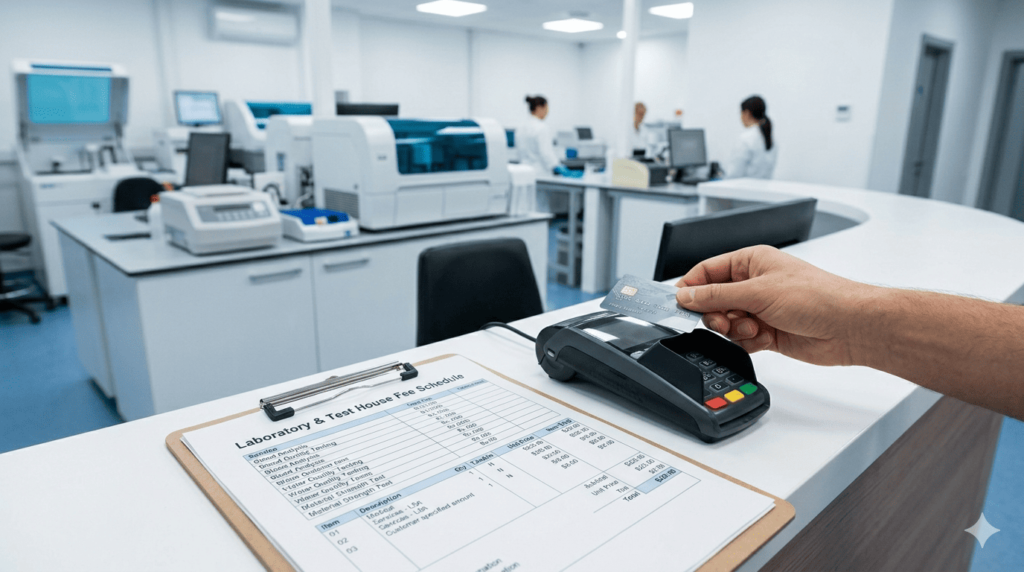
The Initial Licence or certification phase is the first step toward becoming an accredited laboratory. It involves document review, on-site assessment, and evaluation of technical competence.
Key Components of Initial Licence Fees
1. Application Fee
- USD 1,900.00
This fee covers:
- Application processing
- Documentation review
- Initial administrative work
- Coordination of assessment activities
It is important to note that this fee includes accreditation for up to five standards or activities, making it cost-effective for laboratories seeking multi-scope certification.
2. Additional Standard Charges
- USD 75.00 per additional standard (beyond five)
Laboratories often operate across multiple testing or calibration domains. If the number of standards exceeds five, additional charges apply.
This ensures:
- Fair pricing based on complexity
- Coverage of additional evaluation efforts
- Flexibility for expanding laboratories
3. Travel and Subsistence Costs
- Charged at actual cost
Assessment often requires on-site visits by certification officials. These costs include:
- Travel (airfare, local transport)
- Accommodation
- Meals and daily allowances
These costs vary depending on:
- Geographic location
- Duration of assessment
- Number of assessors
4. Daily Assessment Charges
- Subject to scope and location
The number of assessment days depends on:
- Size of the laboratory
- Number of testing disciplines
- Complexity of operations
- Number of personnel
Because each laboratory is unique, applicants are encouraged to request a custom quotation from World Yellow Accreditation Body.
Continuous Certification (Surveillance Fees)
Accreditation is not a one-time event. Laboratories must undergo periodic surveillance to ensure continued compliance with standards.
Continuous certification fees are structured differently for:
- Business research centers
- Non-business / government research centers
Fees for Business Research Centers
For commercial laboratories, fees are based on organizational turnover, reflecting the scale of operations.
Fee Structure
Base Fee
- USD 1,250.00 for first USD 90,000 turnover
This ensures:
- Entry-level affordability
- Accessibility for small and medium enterprises
Additional Turnover Charges
- 0.1% for turnover exceeding USD 450,000
This progressive fee model ensures:
- Larger organizations contribute proportionately
- Fair distribution of costs
- Sustainability of accreditation services
Additional Costs
- Travel and subsistence: At cost
- Daily assessment rates: Based on scope
Fees for Non-Business / Government Research Centers
Public sector and non-commercial laboratories operate under a different model, where fees are based on testing volume rather than financial turnover.
Fee Structure
Base Fee
- USD 1,250.00 for first 50,000 tests per year
Additional Testing Charges
- USD 25 per 1,000 tests beyond 50,000
This model ensures:
- Cost alignment with laboratory activity
- Fair pricing for high-volume testing facilities
- Support for public sector institutions
Additional Costs
- Travel and subsistence: At cost
- Daily assessment rates: Based on scope
Minimum Fee Requirement
Regardless of turnover or testing volume:
- Minimum continuous certification fee: USD 1,250.00
This ensures:
- Baseline operational cost recovery
- Uniformity across accreditation programs
Key Factors Influencing Accreditation Costs
While the fee structure provides a general framework, actual costs may vary depending on several factors:
1. Scope of Accreditation
- Number of tests or calibration methods
- Range of standards applied
- Technical complexity
2. Laboratory Size and Infrastructure
- Number of employees
- Equipment and facilities
- Branch locations
3. Geographic Location
- Travel costs for assessors
- Accessibility of the laboratory
4. Level of Preparedness
Laboratories that are well-prepared may require:
- Fewer assessment days
- Less corrective action
- Reduced overall cost
5. Frequency of Surveillance
- Annual or periodic audits
- Special assessments if required
Importance of Transparent Fee Structures
A transparent fee system benefits both accreditation bodies and laboratories by:
- Building trust
- Eliminating hidden costs
- Encouraging participation
- Supporting long-term relationships
Organizations like World Yellow Accreditation Body emphasize clarity and openness, ensuring applicants understand every aspect of the cost.
Cost vs Value of Accreditation
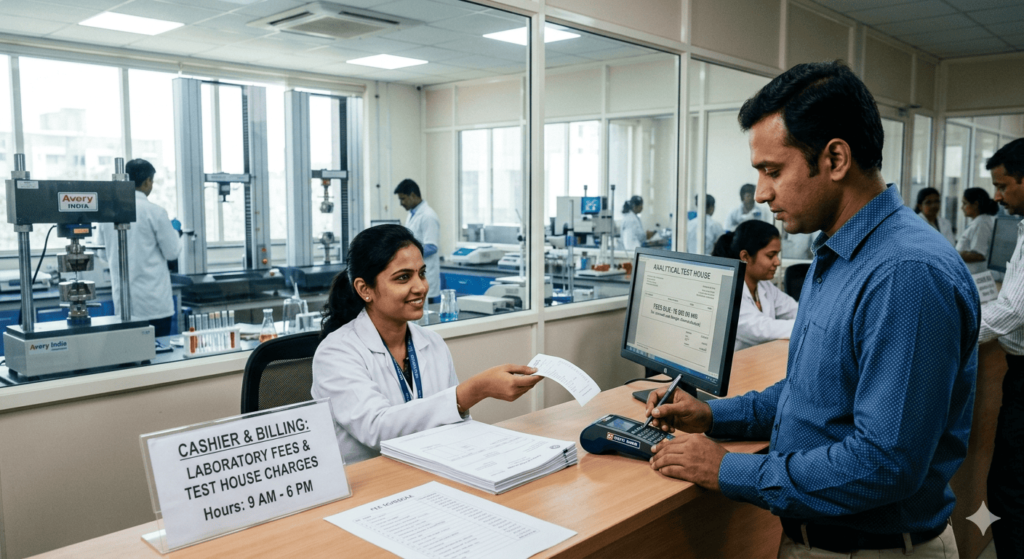
While accreditation involves financial investment, the returns are substantial:
1. Enhanced Credibility
Accredited laboratories gain global recognition and trust.
2. Regulatory Acceptance
Accreditation supports compliance with national and international regulations.
3. Market Advantage
Certified laboratories are preferred by clients and stakeholders.
4. Improved Quality Systems
Regular assessments drive continuous improvement.
5. International Trade Facilitation
Accredited reports are widely accepted, reducing trade barriers.
Strategies to Optimize Accreditation Costs
Laboratories can take several steps to manage and reduce costs effectively:
1. Proper Planning
- Define scope clearly
- Avoid unnecessary standards
2. Staff Training
Well-trained personnel reduce assessment time and corrective actions.
3. Internal Audits
Conduct regular internal reviews to ensure readiness.
4. Documentation Readiness
Maintain updated and organized records.
5. Choose the Right Accreditation Body
Selecting a reputable organization like World Yellow Accreditation Body ensures fair pricing and reliable services.
Notes on Certification Process
Coordination of Assessments
Certification officials typically coordinate closely with the laboratory to:
- Schedule assessments
- Minimize operational disruptions
- Ensure efficient evaluation
Inclusion of Standards
The initial fee includes:
- Up to five standards or activities
Additional standards incur extra charges.
Continuous Fee Calculation
Fees are determined based on:
- Gross turnover (business labs)
- Number of tests (non-business labs)
This applies regardless of the accredited scope defined in agreements.
Why Laboratories Should Budget for Accreditation
Budgeting for accreditation is essential for long-term success. It helps laboratories:
- Plan financial resources
- Avoid unexpected costs
- Ensure continuous compliance
- Maintain operational stability
Accreditation should be viewed as an investment rather than an expense.
Future Trends in Laboratory Accreditation Fees
As the laboratory industry evolves, fee structures may adapt to:
- Digital assessments and remote audits
- Increased automation in testing
- Global harmonization of standards
- Risk-based assessment models
These developments may lead to more efficient and cost-effective accreditation processes.
Conclusion
Laboratory and Test House Fees for test and calibration laboratory authorization are structured to ensure fairness, transparency, and sustainability. By dividing costs into initial certification and continuous licensing, accreditation bodies provide a balanced and accessible system for laboratories of all sizes.
Organizations such as the World Yellow Accreditation Body play a vital role in maintaining quality and trust across industries by offering a clear and reasonable fee framework.
Table of Contents
Branches
WYAB Accreditation
WYAB Head Office
WYAB World Yoga Accreditation Board
WYAB House
C/O Mr.Garry 54, Glengarnock Avenue,
E-14 3BP Isle Of Dogs, London UK
Tel .: +44-8369083940
email: info@worldyoga.us
Website: https://worldyoga.us/
MUMBAI Head Office
World Yoga Accreditation Board (WYAB)
WYAB House
B-401, New Om Kaveri Chs. Ltd., Nagindas pada,
Next To Shiv Sena Office, Nallasopara (E)
Tel .: +91-7499991895
email: info@worldyoga.us
Website: https://worldyoga.us/
DELHI-NCR Regd. Office
World Yoga Accreditation Board (WYAB)
WYAB House
Asaoti, Dist Palwal
Faridabad Delhi NCR, Haryana
Tel .: +91-7979801035
Fax: +91-250 2341170
Website: https://worldyoga.us/