
Postal Ballot Empowering Remote Participation in Organizational Decisions
In today’s fast-paced and globally connected world, organizations and associations face the challenge of ensuring that all stakeholders, members, or voters can participate effectively in decision-making processes, even when they are unable to attend meetings in person. One of the most practical and widely accepted methods to facilitate such participation is the postal ballot. A postal ballot, also known as a mail-in ballot, allows eligible members to cast their votes remotely, ensuring inclusivity, convenience, and transparency in governance and organizational decision-making. For organizations like World Yoga, which serve a diverse and geographically dispersed community, the postal ballot system provides an effective mechanism for collecting votes on critical matters such as elections, policy decisions, program approvals, and amendments to organizational bylaws.
Understanding Postal Ballot
A postal ballot is essentially a paper-based voting system wherein an organization sends a ballot paper to an eligible voter through postal services. The voter marks their choice in the ballot and returns it to the organization within a specified period. The returned ballots are then verified, counted, and included in the final decision-making process. Unlike electronic voting or in-person meetings, postal ballots do not require physical presence, making them especially beneficial for members who live far from the organization’s headquarters or who have mobility or health constraints.
The concept of postal ballots has a long history in both governmental and non-governmental organizations. Governments have employed postal ballots to allow citizens living abroad or those unable to attend polling stations to vote in elections. Similarly, professional bodies, educational institutions, non-profits, and associations like World Yoga utilize postal ballots to ensure that every member’s voice is heard, regardless of geographical limitations.
Advantages of Postal Ballots
The adoption of postal ballots offers numerous benefits, making them an indispensable tool for modern governance:
-
Inclusivity and Accessibility: Postal ballots enable participation from members who cannot attend meetings due to distance, health issues, or personal commitments. This inclusivity strengthens the democratic principles within organizations.
-
Convenience and Flexibility: Members can fill out their ballots at their convenience, carefully considering the choices without the pressure of a live voting environment. This reduces errors and promotes informed decision-making.
-
Enhanced Turnout: By removing logistical barriers, postal ballots often lead to higher participation rates compared to in-person voting, reflecting a more representative outcome.
-
Transparency and Accountability: When properly managed, postal ballots offer a verifiable and auditable voting process. The use of unique identifiers, signatures, or codes on each ballot ensures that each vote is authentic and counted only once.
-
Cost Efficiency: Although printing and mailing ballots incur costs, postal ballots can be more economical than organizing large-scale physical meetings, especially when members are spread across multiple cities or countries.
-
Environmental Considerations: By reducing the need for large gatherings, travel, and associated resource consumption, postal ballots can contribute to more sustainable organizational practices.
Process of Conducting a Postal Ballot
Conducting a postal ballot involves a systematic process designed to ensure accuracy, confidentiality, and compliance with organizational rules. The key steps include:
-
Preparation of Ballot Papers: Organizations prepare ballot papers listing all the options or candidates to be voted upon. Each ballot may include instructions on how to mark the vote and the deadline for submission.
-
Verification of Voter Eligibility: Only members who meet specific eligibility criteria are sent ballot papers. This may include factors such as membership status, age, subscription to organizational programs, or active participation history.
-
Dispatch of Ballots: The ballot papers are mailed to eligible members, often accompanied by a return envelope and clear instructions. Some organizations include unique identifiers or barcodes to prevent duplication and ensure traceability.
-
Casting Votes: Members fill out the ballot according to instructions, ensuring they mark their choices clearly. The completed ballot is placed in the return envelope, sealed, and mailed back within the designated timeframe.
-
Receipt and Verification: Upon receiving returned ballots, organizations verify them against the list of eligible voters, checking identifiers, signatures, or other authentication methods. Invalid ballots—such as those submitted late, incomplete, or improperly marked—are excluded from counting.
-
Counting and Announcement: Verified ballots are counted, and the results are compiled and announced according to organizational protocols. Transparency can be enhanced by involving independent observers or auditors in the counting process.
Postal Ballots in the Context of World Yoga
For organizations like World Yoga, which operate on a global or national scale, postal ballots are particularly valuable. Yoga practitioners, teachers, and members may be located in remote regions, urban centers, or different countries, making in-person meetings impractical. Postal ballots ensure that all stakeholders can influence key decisions related to yoga program development, accreditation standards, organizational policies, and leadership elections.
Moreover, postal ballots can help maintain the credibility and integrity of organizational decisions. By documenting and securely managing ballots, World Yoga can demonstrate a commitment to fairness and transparency, reinforcing trust among its members. The system also encourages active participation, fostering a sense of ownership and belonging among members, which is essential for building a collaborative and vibrant yoga community.
Legal and Regulatory Considerations
While postal ballots offer significant advantages, organizations must adhere to legal and regulatory frameworks governing their use. In some countries, postal ballots are regulated under specific statutes that define eligibility, timelines, confidentiality, and verification processes. World Yoga and similar entities must ensure that postal ballot procedures comply with applicable laws, including data privacy regulations, to protect the personal information of members. Clear communication of rules, deadlines, and instructions is also crucial to avoid disputes or misunderstandings during the voting process.
Challenges and Mitigation Strategies
Despite their benefits, postal ballots come with challenges that organizations must address:
-
Delayed or Lost Mail: Postal services may experience delays or losses. To mitigate this, organizations can provide tracking options or allow supplementary time for ballots to be returned.
-
Fraud and Duplication: The risk of unauthorized voting exists. Using unique identifiers, secure envelopes, and signature verification can reduce this risk.
-
Complexity for Members: Some members may find the postal process confusing. Providing clear instructions, helplines, and FAQs can enhance usability and participation.
-
Environmental Impact of Paper Use: Though postal ballots reduce travel emissions, they involve paper use. Organizations can consider using recycled paper or eco-friendly materials to minimize environmental impact.
Future of Postal Ballots
With advancements in technology, the concept of postal ballots is evolving. Hybrid models that combine physical mail with digital verification, secure e-balloting platforms, and blockchain-based vote tracking are emerging as modern alternatives. However, the fundamental principles of accessibility, transparency, and inclusivity remain central. For World Yoga, maintaining a reliable and trusted postal ballot system can coexist with these innovations, ensuring that all members continue to have a meaningful say in organizational decisions.
Conclusion
Postal ballots are a vital instrument for empowering members, maintaining democratic governance, and promoting inclusive participation in organizations like World Yoga. They provide a practical solution for geographically dispersed communities, enhance transparency, and increase voter engagement. By carefully implementing a postal ballot system that addresses legal, logistical, and environmental considerations, organizations can ensure that every member’s voice is counted, decisions are fair and credible, and the community remains engaged and connected. As the yoga community continues to grow globally, postal ballots will remain a key mechanism for fostering participation, accountability, and shared ownership in shaping the future of yoga practices, programs, and policies.
What is a postal ballot and how does it work?
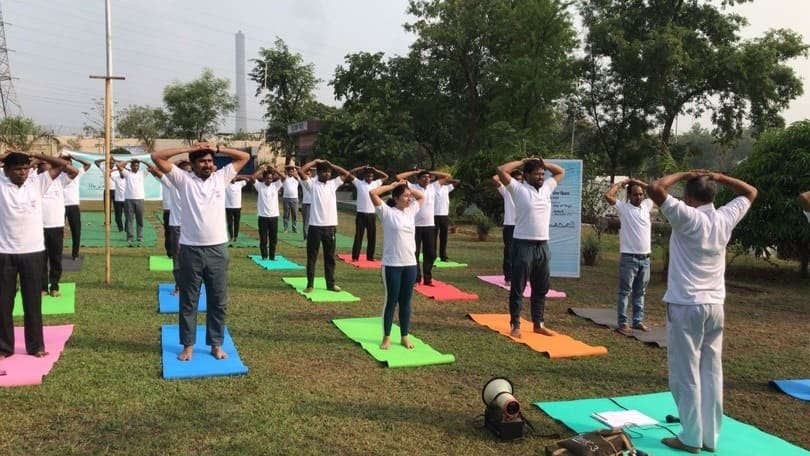
In any organization, the ability for members to participate in key decisions is fundamental to fostering transparency, inclusivity, and democracy. For organizations like World Yoga, which serve a geographically dispersed community of practitioners, teachers, and members, enabling participation for everyone is both a challenge and a responsibility. A widely adopted solution for this is the postal ballot—a method of voting that allows eligible members to cast their vote remotely, without being physically present at a meeting or event. Understanding what a postal ballot is, and how it functions, is essential for members, administrators, and stakeholders alike.
Definition of a Postal Ballot
A postal ballot, also known as a mail-in ballot, is a paper-based voting mechanism through which eligible members receive ballot papers by mail, mark their choices, and return them to the organization within a specified timeframe. The key principle behind postal ballots is remote participation. Members who cannot attend in-person meetings or voting sessions can still have their opinions counted. Postal ballots are particularly valuable for organizations like World Yoga, which often operate across cities, regions, or even countries, serving a diverse and dispersed membership base.
Postal ballots are widely used in both governmental and non-governmental contexts. Governments employ them to allow citizens living abroad or those unable to attend polling stations to vote in elections. Similarly, professional bodies, non-profits, and educational institutions use postal ballots to maintain high participation, accountability, and transparency in governance.
The Purpose of a Postal Ballot
The purpose of postal ballots is to ensure inclusivity and accessibility in organizational decision-making. They allow every eligible member to express their opinion on important matters, such as:
-
Electing board members or leadership positions.
-
Approving changes to bylaws or organizational policies.
-
Voting on program funding, new initiatives, or major events.
-
Deciding on accreditation, membership, or other procedural approvals.
For World Yoga, postal ballots provide a structured way for members to contribute to decisions on yoga programs, certifications, events, and organizational policies, even if they are unable to attend annual general meetings or workshops in person.
How a Postal Ballot Works
The process of a postal ballot is systematic and carefully structured to ensure fairness, security, and transparency. The typical steps include the following:
-
Preparation of Ballot Papers
Organizations prepare ballot papers listing the options, candidates, or decisions to be voted upon. Each ballot includes clear instructions for marking votes, deadlines for submission, and any special identifiers required for verification. For example, World Yoga may include unique membership numbers or codes to ensure authenticity. -
Voter Eligibility Verification
Only members who meet certain eligibility criteria are sent ballot papers. Eligibility may be based on membership status, active participation in programs, or subscription to newsletters and certifications. This step ensures that votes are cast only by qualified members. -
Dispatch of Ballots
Ballots are mailed to eligible voters, typically with a return envelope and detailed instructions. Organizations often use tracking methods, like unique barcodes, to monitor ballot dispatch and receipt. -
Casting Votes
Members review the ballot at their convenience, mark their choices clearly, and place it inside the provided return envelope. This step allows members to consider their decisions carefully, free from external pressure or time constraints associated with in-person voting. -
Returning Ballots
The completed ballot is mailed back to the organization within the specified timeframe. Timely return is critical, as late ballots are usually considered invalid. Some organizations provide multiple options for returning ballots, including registered mail or courier services. -
Receipt and Verification
Once ballots are received, the organization verifies them against the list of eligible voters. Verification may include checking membership IDs, signatures, unique codes, or other authentication methods. This step prevents duplicate or fraudulent votes and ensures the integrity of the voting process. -
Counting and Announcement of Results
Verified ballots are counted in a secure and transparent manner. The results are then compiled, reviewed, and announced according to organizational protocols. In some cases, independent observers may be involved to ensure accuracy and fairness.
Advantages of Postal Ballots
Postal ballots offer several key advantages, particularly for organizations like World Yoga:
-
Accessibility and Inclusivity
Members who are geographically distant, have health or mobility issues, or are unable to attend meetings for personal reasons can still participate. -
Convenience and Flexibility
Voters can consider their choices carefully and submit their ballots at their own pace without the stress of a live meeting environment. -
Higher Participation Rates
By removing logistical and geographic barriers, postal ballots often result in greater overall participation, ensuring that the outcome reflects a broader spectrum of member opinions. -
Transparency and Integrity
Properly managed postal ballots provide a secure, verifiable process. Unique identifiers and audit trails help maintain accountability and trust among members. -
Cost-Effectiveness
While there are costs associated with printing and mailing ballots, these are often lower than organizing in-person meetings for all members, especially when participants are widely dispersed.
Challenges of Postal Ballots
Despite their advantages, postal ballots come with challenges that organizations need to address:
-
Delayed or Lost Mail: Postal services may experience delays or losses. Organizations can mitigate this by allowing adequate time for delivery or using tracked mailing services.
-
Risk of Fraud or Misuse: Proper verification methods, such as membership codes or signatures, are essential to prevent duplicate or unauthorized voting.
-
Complexity for Members: Some members may find the process confusing. Clear instructions, FAQs, and support channels are important to ensure correct ballot submission.
-
Environmental Concerns: Paper usage and mailing contribute to environmental impact. Organizations can consider eco-friendly paper and recyclable envelopes.
Postal Ballots and World Yoga
For an organization like World Yoga, postal ballots are an effective way to engage a global yoga community. They allow members from different regions, including rural areas or international locations, to participate in decisions related to:
-
Yoga program offerings and schedules.
-
Accreditation of yoga teachers or training centers.
-
Organizational policy changes and new initiatives.
-
Electing leadership or board members who represent members’ interests.
The postal ballot system strengthens trust, transparency, and democratic participation, reinforcing World Yoga’s commitment to inclusivity and member engagement.
Conclusion
A postal ballot is a practical, secure, and inclusive method of voting that allows members to participate in organizational decision-making remotely. By understanding how postal ballots work, members of World Yoga can ensure their voices are heard in elections, policy approvals, and program decisions. Through careful planning, clear instructions, and robust verification processes, postal ballots provide an effective mechanism to maintain transparency, accountability, and inclusivity in the governance of organizations.
Postal ballots are not just a voting mechanism—they are a reflection of democracy, accessibility, and community participation, essential for organizations serving a global and diverse membership. For World Yoga, embracing postal ballots ensures that all members, regardless of location or circumstance, have the opportunity to contribute meaningfully to the organization’s growth and direction.
Who is eligible to vote via postal ballot?
A postal ballot allows members of an organization to cast their vote remotely, without attending an in-person meeting. For organizations like World Yoga, which have a global and geographically dispersed membership, understanding eligibility is crucial to ensure that only qualified members participate. Eligibility ensures fairness, maintains the integrity of the voting process, and reflects the democratic principles of the organization.
Membership Status
The first criterion for eligibility is membership status. Only individuals who are registered members of the organization are allowed to vote via postal ballot. In World Yoga, this may include:
-
Active yoga practitioners who have completed registration or subscriptions with World Yoga.
-
Certified yoga teachers or instructors who hold current accreditation.
-
Participants in ongoing programs or courses who meet the membership requirements set by the organization.
Members who are inactive, have lapsed subscriptions, or do not meet organizational membership criteria are generally not eligible to vote.
Age Requirement
Most organizations impose an age requirement to ensure that voters are legally competent to make decisions. Typically, members must be 18 years or older to participate in a postal ballot. For international members, local legal age restrictions may also apply depending on regional laws.
Compliance with Organizational Rules
Eligibility also depends on adherence to the rules and regulations of the organization. Members must:
-
Have completed all required dues or subscription payments.
-
Be in good standing, without pending disciplinary actions or violations.
-
Be listed in the organization’s official membership registry at the time of ballot dispatch.
This ensures that only members who actively contribute to and support the organization’s mission have a voice in decisions.
Geographical Considerations
One of the primary advantages of postal ballots is enabling participation for members who are geographically distant. Eligible members may live in different cities, states, or countries but must still meet the core membership and compliance requirements. World Yoga often serves a diverse international community, so postal ballots allow global members to vote without traveling to central locations.
Special Categories
Some organizations may allow specific categories of members to vote even if they cannot meet standard criteria temporarily. For instance:
-
Members on long-term medical leave.
-
Members who are traveling or residing abroad during voting periods.
-
Members participating in special programs or accreditation courses recognized by the organization.
These exceptions are clearly defined in organizational bylaws and communicated to members in advance.
Verification Process
To ensure that only eligible members vote, World Yoga implements verification measures. Each ballot is usually linked to a unique membership ID or code, and submitted ballots are cross-checked against the organization’s membership database. Any ballots from ineligible individuals are invalidated to maintain the integrity of the results.
Conclusion
In summary, eligibility to vote via postal ballot depends on a combination of membership status, age, compliance with organizational rules, and sometimes special considerations for members who are temporarily unable to attend in person. By defining clear eligibility criteria, World Yoga ensures that postal ballots are fair, secure, and representative of the organization’s active community, allowing every qualified member to participate meaningfully in decisions that shape the organization’s programs, policies, and leadership.
What is the timeline for sending, receiving, and returning postal ballots?
A postal ballot allows members to vote remotely, ensuring inclusive participation in organizational decisions. For organizations like World Yoga, which serve a global and geographically dispersed community, understanding the timeline for sending, receiving, and returning ballots is essential for a smooth, transparent, and fair voting process. Proper scheduling ensures all eligible members have sufficient time to cast their votes and that results can be counted accurately.
1. Preparation and Dispatch of Ballots
The postal ballot process begins with the preparation of ballot papers. This includes designing clear ballots with voting options, instructions, and deadlines, along with secure return envelopes. Eligible members are identified from the organization’s membership records, ensuring that only qualified members receive ballots.
Once prepared, ballots are mailed to eligible members. Typically, organizations like World Yoga allow at least 2 to 4 weeks for members to receive their ballots. The dispatch period is communicated in advance through emails, newsletters, or official notifications, including the date when ballots are sent and the expected deadline for return.
2. Voting Period
After receiving the ballots, members can review the options and cast their votes at their convenience. Providing an adequate voting period is essential, particularly for members who live far from postal services or internationally.
-
A standard voting period is 2 to 3 weeks after the ballot is mailed.
-
During this time, members mark their choices clearly according to instructions.
-
Ballots must be sealed in the provided envelope and prepared for mailing back.
This period ensures members have enough time to consider their decisions thoughtfully and to account for any postal delays.
3. Returning Ballots
Returning ballots is a critical step. Members must mail back their completed ballots before the deadline specified by the organization. World Yoga often provides guidelines for reliable return, such as:
-
Using registered mail or courier services to ensure delivery.
-
Confirming addresses and envelopes are properly labeled.
-
Ensuring ballots are returned well before the final deadline to allow for postal delays.
Late submissions may be excluded from the count, so clear communication of deadlines is essential.
4. Receipt and Verification
Once ballots are received, the organization verifies them against membership records. Verification ensures that each ballot is valid, unique, and submitted by an eligible member. The verification process typically begins immediately after the deadline for ballot submission and may take a few days depending on the volume of ballots received.
5. Counting and Announcement
After verification, ballots are counted in a transparent and secure manner. The timeline for counting may vary, but organizations generally announce results within a few days to a week after the verification process is completed. Involving independent observers or auditors may further ensure the integrity and credibility of the process.
Conclusion
The timeline for postal ballots—from dispatch to receipt and return—is crucial for ensuring fairness, participation, and accuracy in organizational decisions. For World Yoga, the typical schedule involves:
-
Preparation and mailing of ballots (2–4 weeks before deadline)
-
Voting period (2–3 weeks for members to cast votes)
-
Return and verification of ballots (immediately after submission deadline)
-
Counting and result announcement (within a few days to a week)
By following a clear and structured timeline, World Yoga ensures that all eligible members have a fair opportunity to participate, contributing to transparent governance, higher participation, and member trust in organizational processes.
How is voter identity verified?
One of the most important aspects of a postal ballot system is ensuring that only eligible members cast votes and that each vote is genuine and secure. For organizations like World Yoga, which operate globally and serve a diverse membership, proper voter verification is essential to maintain the integrity of decisions related to elections, policy approvals, and program development.
Importance of Voter Identity Verification
Voter identity verification ensures that:
-
Each ballot is cast by a registered and eligible member.
-
Duplicate or fraudulent votes are prevented.
-
The results reflect a true and fair representation of the organization’s active community.
-
Trust and transparency are maintained among members.
Without proper verification, the postal ballot process risks being compromised, potentially undermining member confidence and organizational governance.
Methods of Voter Verification
Organizations typically use a combination of unique identifiers, authentication checks, and secure handling procedures to verify voter identity. Common methods include:
-
Membership ID Verification
Every eligible member is assigned a unique membership number or ID when joining the organization. Each postal ballot is linked to this ID, which is recorded when the ballot is sent. Upon receiving the returned ballot, the organization verifies that the ID matches an active, eligible member in its database. This ensures that only authorized members can vote. -
Signature Verification
Some organizations require members to sign the ballot envelope. The signature is then compared to the signature on record in the organization’s membership database. This additional step prevents unauthorized submission and confirms the identity of the voter. -
Unique Ballot Codes or Barcodes
To further secure the process, each ballot may include a unique code or barcode. When the ballot is returned, the code is checked against the master list of sent ballots to confirm that it has not been duplicated. This prevents multiple submissions using the same ballot. -
Verification Checklists
Some organizations implement a verification checklist, including cross-referencing the voter’s name, address, membership status, and other details. This thorough verification ensures the authenticity of each returned ballot. -
Secure Handling of Ballots
Voter verification also depends on secure management of postal ballots. Once ballots are returned, they are handled carefully to prevent tampering. Ballots are stored securely until they are counted, and only authorized personnel have access to the verification process.
Special Considerations
For international members or members who face logistical challenges, organizations like World Yoga may implement additional verification methods, such as:
-
Photocopy or scanned submission of membership ID.
-
Contacting the member to confirm receipt and intent to vote.
-
Allowing members to track their ballot status online.
These measures ensure that every voter has the opportunity to participate while maintaining the integrity of the process.
Conclusion
Voter identity verification is the backbone of the postal ballot system. For World Yoga, it ensures that each vote is authentic, secure, and representative of the organization’s active members. By using membership IDs, signatures, unique codes, and secure handling procedures, the organization prevents fraud, maintains transparency, and fosters trust among its global community. Proper verification is essential not only for accurate results but also for promoting a democratic and participatory culture within the organization.
What happens if a postal ballot is lost or delayed in the mail?
Postal ballots are a convenient way for members to participate in organizational decisions without attending in-person meetings. However, one challenge of this system is the risk of a ballot being lost or delayed in transit. For an organization like World Yoga, which serves a global and geographically dispersed membership, it is essential to have clear procedures to address such situations. Ensuring that every eligible member has the opportunity to vote is crucial for fairness, transparency, and trust.
Common Reasons for Lost or Delayed Ballots
Postal ballots may be lost or delayed due to several factors, including:
-
Postal Service Delays
In some regions, postal services may take longer than expected, especially during holidays, strikes, or periods of high mail volume. -
Incorrect Address Information
Ballots sent to outdated or incorrect addresses may be returned as undeliverable or never reach the intended member. -
Lost in Transit
Occasionally, envelopes can be misplaced or mishandled during sorting and delivery. -
Member Oversight
Members may not receive the ballot promptly or may delay returning it, leading to missed deadlines.
Procedures for Lost or Delayed Ballots
World Yoga and similar organizations typically establish contingency measures to ensure that all eligible members have a chance to vote, even if a ballot is lost or delayed:
-
Extended Voting Periods
Organizations may provide an extended period for the submission of postal ballots to accommodate potential delays, particularly for members living in remote or international locations. -
Replacement Ballots
Members who report that they have not received their ballot may be sent a replacement ballot after verification of eligibility. This ensures they can still participate without compromising the integrity of the vote. -
Tracking and Acknowledgment
Using tracking numbers or confirmation receipts allows the organization and member to monitor the delivery status of the ballot. Members can confirm receipt and follow up if there are delays. -
Clear Communication
World Yoga provides instructions and contact points for members to report missing ballots. Early reporting helps the organization take timely action and prevent members from missing the opportunity to vote. -
Cutoff Dates
To ensure fairness, organizations set a final cutoff date for ballots to be returned. Replacement ballots must reach members with sufficient time to be mailed back before this date. Any ballots received after the deadline may be excluded from counting to maintain integrity.
Protecting the Voting Process
Even with delays or lost ballots, the process must remain secure and transparent:
-
Replacement ballots are carefully tracked to prevent duplicate voting.
-
Verification procedures ensure that only eligible members cast a vote.
-
Members are informed of deadlines, replacement procedures, and contact points to ensure their participation is counted.
Conclusion
While postal ballots provide convenience and accessibility, lost or delayed ballots are an inherent risk of using the mail system. World Yoga addresses this risk through extended voting periods, replacement ballots, tracking, and clear communication, ensuring that all eligible members can participate fairly. By having these procedures in place, the organization maintains trust, inclusivity, and integrity in the voting process, reinforcing its commitment to transparent governance and member engagement.
Can postal ballots be submitted electronically or only via physical mail?
Postal ballots are a widely used method for enabling members to participate in organizational decisions without attending in-person meetings. Traditionally, postal ballots have been paper-based and sent via physical mail, but advances in technology and the needs of global organizations like World Yoga have raised the question: Can postal ballots be submitted electronically? Understanding the options, limitations, and best practices is important to maintain both accessibility and integrity in voting.
Traditional Physical Mail
The traditional postal ballot system relies on physical mail for both sending and receiving ballots. In this method:
-
Ballots are printed and mailed to eligible members along with return envelopes.
-
Members mark their votes, place them in the envelope, and mail them back to the organization.
-
Ballots are received, verified for authenticity, and counted.
Physical mail ensures a tangible record of each vote, reducing the risk of tampering or unauthorized access. For many organizations, including World Yoga, this method remains the standard for official voting, especially where legal or regulatory frameworks require paper ballots.
Electronic Submission Options
In recent years, some organizations have explored electronic submission to increase accessibility, reduce postal delays, and support international members. Electronic submission methods may include:
-
Scanned Ballots via Email: Members mark a printed ballot, scan it, and email it to a secure organizational address.
-
Secure Online Voting Platforms: Organizations may provide a portal where eligible members log in with unique credentials to cast their votes digitally.
-
Hybrid Models: Combining physical ballots with online verification, such as entering a unique code from a mailed ballot into a secure portal.
These methods can significantly reduce delays, improve tracking, and allow faster result tabulation.
Considerations for Electronic Submission
While electronic submission increases convenience, there are critical considerations to maintain integrity and fairness:
-
Security: Online submission must use encryption and secure authentication to prevent fraud or unauthorized voting.
-
Verification: Members must be verified using membership IDs, codes, or digital signatures to ensure only eligible votes are counted.
-
Accessibility: Not all members may have reliable internet access, so a hybrid system may be needed to ensure inclusivity.
-
Legal Compliance: Some organizational regulations or country-specific laws may require physical ballots for official voting. Electronic submission may not be legally recognized in all cases.
World Yoga Approach
For World Yoga, the primary method remains physical mail due to its reliability and legal recognition. However, recognizing the needs of international members or those in remote locations, World Yoga may explore hybrid or electronic options with proper verification systems. In all cases, the organization ensures:
-
Only eligible members can submit votes.
-
Submission methods are secure and verifiable.
-
Deadlines are clearly communicated to prevent late submissions.
Conclusion
While postal ballots have traditionally relied on physical mail, technological advancements have made electronic submission possible in some cases. For organizations like World Yoga, physical mail remains the standard to ensure security, legal compliance, and trust, but hybrid and digital options may complement this system to improve accessibility for remote or international members. Regardless of the method, the goal remains the same: enabling inclusive, secure, and fair participation in organizational decision-making.
How are disputes or challenges regarding postal ballots resolved?

Postal ballots are an essential tool for enabling members to participate in organizational decisions remotely. For organizations like World Yoga, which have a diverse and geographically dispersed membership, postal ballots ensure inclusivity and accessibility. However, as with any voting system, disputes or challenges can arise. Resolving these issues promptly and fairly is critical to maintaining the integrity, transparency, and trust of the voting process.
Common Types of Disputes
Disputes or challenges related to postal ballots can occur for several reasons:
-
Eligibility Questions: Concerns that a ballot was submitted by an ineligible member or that a member who should have received a ballot did not.
-
Duplicate Voting: Instances where multiple ballots are submitted by the same member.
-
Lost, Damaged, or Delayed Ballots: Ballots that are delayed in the mail, lost, or arrive damaged, leading to questions about whether they should be counted.
-
Improperly Completed Ballots: Ballots that are unclear, incorrectly marked, or missing required information.
-
Discrepancies in Counting: Disagreements over how ballots were verified, counted, or interpreted.
Resolution Mechanisms
To address these challenges, organizations like World Yoga implement structured procedures designed to protect member rights and ensure fairness:
-
Verification of Eligibility
-
Every returned ballot is cross-checked against the organization’s membership database.
-
Only ballots from verified and eligible members are accepted, preventing unauthorized participation.
-
-
Duplicate Ballot Checks
-
Unique membership IDs, ballot codes, or barcodes are used to detect duplicate submissions.
-
If multiple ballots are received from the same member, only the first valid submission is counted.
-
-
Handling Lost or Delayed Ballots
-
Members who report not receiving a ballot may be issued a replacement ballot after verification.
-
Clear deadlines ensure that replacement ballots are returned and counted without affecting the overall process.
-
-
Review of Improperly Completed Ballots
-
Ballots with unclear or missing markings are reviewed by a designated committee.
-
In some cases, members may be contacted for clarification if organizational rules allow.
-
Ballots that cannot be validated are marked as invalid but documented to maintain transparency.
-
-
Dispute Resolution Committee
-
World Yoga may establish a dispute resolution or electoral committee responsible for reviewing challenges.
-
This committee acts independently, examines evidence, and makes decisions based on pre-established rules and guidelines.
-
-
Transparent Communication
-
Members are informed about the process for raising disputes and the deadlines for submitting concerns.
-
Final decisions on disputes are communicated clearly, explaining the reasoning to ensure trust and accountability.
-
Principles for Fair Resolution
Effective resolution of postal ballot disputes is guided by key principles:
-
Transparency: Procedures and outcomes are documented and communicated.
-
Impartiality: Decisions are made by independent committees or authorized personnel.
-
Consistency: Rules are applied uniformly to all disputes to maintain fairness.
-
Documentation: Every dispute and its resolution are recorded for audit and accountability purposes.
Conclusion
Disputes or challenges regarding postal ballots are inevitable in any remote voting system. By implementing structured verification, duplicate checks, replacement procedures, and an impartial dispute resolution committee, World Yoga ensures that every concern is addressed fairly. These mechanisms uphold the integrity, credibility, and transparency of the postal ballot process, fostering member confidence and encouraging continued participation in organizational decisions.
How can members ensure they receive and return their postal ballots correctly?
Postal ballots are an important tool for enabling members of World Yoga to participate in organizational decisions remotely. They provide accessibility, inclusivity, and flexibility for members who cannot attend in-person meetings. However, the effectiveness of postal ballots depends on members receiving their ballots on time, completing them correctly, and returning them safely. Following the correct procedures helps ensure that every vote is counted and contributes to fair and transparent decision-making.
1. Keep Membership Information Updated
The first step for ensuring correct receipt of a postal ballot is to maintain accurate membership information with the organization. Members should:
-
Provide their current mailing address and update it promptly if they move.
-
Ensure that email addresses and phone numbers are up-to-date to receive notifications about ballot dispatch and deadlines.
-
Verify their membership ID or registration details, which are often linked to the postal ballot for verification purposes.
World Yoga sends ballots only to verified members in its database, so keeping personal information accurate is essential for successful ballot delivery.
2. Monitor Communication from the Organization
Members should actively monitor communications from World Yoga, including emails, newsletters, and official notifications. These communications typically include:
-
Confirmation that ballots have been dispatched.
-
Expected delivery dates.
-
Instructions for completing and returning the ballot.
-
Deadlines for ballot submission.
Paying attention to these communications ensures that members know when to expect the ballot and can plan to return it on time.
3. Report Missing Ballots Promptly
If a ballot does not arrive within the expected timeframe, members should contact World Yoga immediately. Organizations usually have procedures to issue replacement ballots after verifying eligibility. Prompt reporting ensures that:
-
Members have enough time to receive a replacement ballot.
-
The replacement ballot can be completed and returned before the submission deadline.
Delayed reporting can result in missing the opportunity to vote, so timely communication is crucial.
4. Follow Instructions Carefully
Correct completion of the ballot is as important as receiving it. Members should:
-
Read all instructions carefully before marking their vote.
-
Use the designated marking method (e.g., tick, cross, or fill circle) as instructed.
-
Ensure that the vote is clear and unambiguous to prevent invalidation.
Following instructions helps ensure that votes are valid and counted accurately.
5. Use the Provided Return Envelope
Ballots must be returned in the official return envelope provided by the organization. Members should:
-
Place the completed ballot inside the envelope without folding it in a way that obscures the vote.
-
Seal the envelope securely.
-
Include any required identifiers, signatures, or codes as instructed.
Using the official envelope ensures that the ballot is recognized, verified, and linked to the member.
6. Return Ballots on Time
Timely submission is critical. Members should:
-
Mail their completed ballot well before the deadline to allow for postal delays.
-
Consider using registered mail or courier services for secure delivery and tracking.
-
Confirm the return address and ensure the envelope is correctly labeled.
Late ballots are usually not counted, so planning for potential delays is essential, especially for international members or those in remote areas.
7. Track the Ballot if Possible
Many organizations, including World Yoga, may provide tracking options for postal ballots. Members can:
-
Use tracking numbers to verify that the ballot has been dispatched and delivered.
-
Confirm receipt with the organization if tracking is available.
Tracking increases confidence that the ballot has reached its destination safely and will be included in the vote count.
8. Seek Clarification if Needed
If members are unsure about any part of the process—receiving the ballot, marking it correctly, or returning it—they should contact World Yoga for assistance. Organizations often provide:
-
Dedicated helplines or email support.
-
FAQs or guidance documents for completing and submitting postal ballots.
Getting clarification ensures that mistakes are minimized and votes are properly counted.
9. Keep Documentation
Members should keep copies or records of their ballot submission if possible:
-
A copy of the completed ballot (if allowed).
-
Proof of mailing or tracking receipt.
Documentation can help resolve any disputes or concerns if there are questions about whether a ballot was received or counted.
10. Participate Responsibly
Ultimately, the success of the postal ballot system relies on responsible participation. By staying informed, following instructions, and returning ballots securely and on time, members contribute to fair, transparent, and inclusive decision-making for World Yoga.
Conclusion
Receiving and returning a postal ballot correctly requires attention to detail, timely action, and careful adherence to instructions. Members can ensure their votes are counted by keeping their membership information updated, monitoring communications, reporting missing ballots promptly, following instructions, using the correct envelope, returning ballots on time, tracking their submission, and seeking clarification when needed.