
Product Certification Bodies
Product Certification Bodies play a crucial role in today’s global economy by ensuring that products, processes, and services meet defined standards, regulatory requirements, and customer expectations. In an increasingly competitive marketplace, where consumers demand safety, reliability, and transparency, certification has become a powerful tool for building trust and credibility. These bodies act as independent third-party organizations that evaluate products against specific criteria and confirm their conformity through formal certification. This not only enhances consumer confidence but also supports manufacturers in accessing domestic and international markets with ease.
At the core of product certification lies the globally recognized standard ISO/IEC 17065, which defines the requirements for bodies certifying products, processes, and services. This standard ensures that certification bodies operate in a consistent, impartial, and technically competent manner. It emphasizes transparency, independence, and reliability in all certification activities. By adhering to ISO/IEC 17065, certification bodies demonstrate their ability to deliver trustworthy and unbiased certification services, which are widely accepted by regulators, industries, and consumers around the world. The standard also replaced the earlier European standard EN 45011, further harmonizing global conformity assessment practices.
Product Certification Bodies function by evaluating products against a reference standard or set of requirements. These standards may be national regulations, international benchmarks, or even proprietary specifications developed by organizations or industries. The certification process typically begins with an application from a manufacturer, followed by a detailed evaluation that may include documentation review, product testing, and on-site inspections. After the evaluation, an independent review is conducted to ensure accuracy and compliance. If all requirements are met, the certification body grants certification, allowing the manufacturer to use a certification mark that signifies compliance. This mark serves as a symbol of quality and assurance in the marketplace.
Accreditation is another essential aspect of product certification, as it provides formal recognition of a certification body’s competence and reliability. Accreditation bodies, such as WYAB, assess certification organizations against ISO/IEC 17065 and other relevant requirements to ensure they meet high standards of performance. Accreditation not only enhances the credibility of certification bodies but also facilitates international recognition through mutual agreements. This means that products certified by an accredited body in one country are more likely to be accepted in other markets, reducing the need for duplicate testing and certification. For manufacturers, this translates into cost savings, faster market entry, and improved competitiveness.
One of the most important principles governing Product Certification Bodies is impartiality. These organizations must operate independently and avoid any conflicts of interest that could compromise the integrity of the certification process. They must ensure that decisions are based solely on objective evidence and not influenced by commercial, financial, or personal considerations. To achieve this, certification bodies implement robust governance structures, risk management systems, and internal controls. Maintaining impartiality is critical for preserving trust in certification outcomes and ensuring that certified products genuinely meet the required standards.
Technical competence is another key requirement for Product Certification Bodies. They must have access to qualified personnel with expertise in relevant fields, as well as appropriate testing facilities and resources. This includes knowledge of applicable standards, industry practices, and regulatory requirements. Certification bodies must also ensure continuous training and competency evaluation of their staff to keep up with evolving technologies and standards. In many cases, they collaborate with accredited laboratories and inspection bodies to conduct testing and verification activities. This integrated approach ensures that certification decisions are based on accurate and reliable data.
The role of Product Certification Bodies extends beyond initial certification to include ongoing surveillance and monitoring. Once a product is certified, the certification body conducts periodic assessments to ensure continued compliance. This may involve follow-up inspections, product testing, and market surveillance activities. If non-conformities are identified, corrective actions are required, and certification may be suspended or withdrawn if issues are not resolved. This continuous oversight helps maintain the integrity of certification and ensures that products consistently meet the required standards throughout their lifecycle.
Another important function of certification bodies is the management of certification marks and logos. These marks serve as visible indicators of compliance and are often used by manufacturers for marketing and branding purposes. However, their use must be carefully controlled to prevent misuse or misleading claims. Certification bodies establish clear guidelines for the use of marks and monitor their application in the market. Unauthorized or incorrect use can lead to penalties, including withdrawal of certification. This ensures that certification marks retain their value and credibility in the eyes of consumers and stakeholders.
Product Certification Bodies also play a significant role in handling complaints and appeals. They must have transparent and effective procedures for addressing concerns raised by clients, consumers, or other stakeholders. This includes investigating complaints, resolving disputes, and providing an appeals mechanism for certification decisions. Such processes enhance accountability and demonstrate the commitment of certification bodies to fairness and transparency. By addressing issues promptly and effectively, they contribute to continuous improvement and customer satisfaction.
In recent years, the certification landscape has evolved significantly with the adoption of digital technologies. Many certification bodies are now leveraging digital platforms for documentation, remote audits, and data management. This has improved efficiency, reduced costs, and enabled faster decision-making. Additionally, emerging trends such as sustainability, environmental responsibility, and smart technologies are driving the development of new certification schemes. Product Certification Bodies are adapting to these changes by expanding their scope and enhancing their capabilities to meet future demands.
In conclusion, Product Certification Bodies are essential pillars of quality assurance and regulatory compliance in modern industries. By operating under internationally recognized standards like ISO/IEC 17065 and maintaining accreditation, they ensure that products meet the highest levels of safety, reliability, and performance. Their role in fostering trust, enabling market access, and protecting consumers cannot be overstated. As global trade continues to expand and quality expectations rise, the importance of Product Certification Bodies will only grow, making them indispensable partners in achieving excellence and sustainability in business operations.
Product Certification Bodies ISO/IEC 17065:latest – Congruity evaluation necessities for bodies confirming item, process and administrations (or EN 45011 as it is known in its European rendition) is for those certificate bodies that require exhibiting their ability to certain administrative specialists. ISO/IEC 17065:latest license is to be performed against a reference standard or norms. The reference standard might be the creation and handling guidelines of a national regulation (frequently a national standard) however may likewise be your own or another association’s private standard.
WYAB accreditation expects that the product certification bodies should adjust to the latest rendition of the following standards:
- ISO/IEC 17065:latest – Conformity assessment necessities for bodies certifying products, process and administrations.
- Exhibited specialized skill well defined for the field wherein product certification is finished.
- Significant WYAB authorization necessities.
Product Certification Bodies play a vital role in ensuring that products, processes, and services meet defined standards, regulatory requirements, and customer expectations. In today’s highly competitive and compliance-driven global market, certification is not just a mark of quality—it is a strategic necessity for businesses aiming to build trust, access international markets, and ensure safety and reliability.
This comprehensive guide explains the framework of Product Certification Bodies, the importance of ISO/IEC 17065, and the essential requirements under WYAB accreditation. It also explores technical competence, operational integrity, and compliance expectations necessary for certification bodies to function effectively.
1. Introduction to Product Certification Bodies
Product Certification Bodies are independent organizations that assess and certify whether a product, process, or service complies with specified standards. These standards can be:
- National standards
- International standards
- Regulatory requirements
- Industry-specific guidelines
- Private or proprietary specifications
Certification provides assurance to:
- Consumers about product safety and quality
- Manufacturers about compliance readiness
- Regulators about adherence to laws
- Global markets about consistency and reliability
In essence, product certification acts as a bridge of trust between manufacturers and end-users.
2. Understanding ISO/IEC 17065
ISO/IEC 17065 is the internationally recognized standard that specifies requirements for bodies certifying products, processes, and services.
Key Purpose of ISO/IEC 17065
The standard ensures that certification bodies:
- Operate in a consistent, reliable, and impartial manner
- Demonstrate technical competence
- Maintain transparency in decision-making
- Ensure independence from commercial or financial pressures
Scope of ISO/IEC 17065
ISO/IEC 17065 applies to:
- Product certification
- Process certification
- Service certification
It replaces the earlier European standard EN 45011 and aligns global conformity assessment practices.
3. Importance of Accreditation
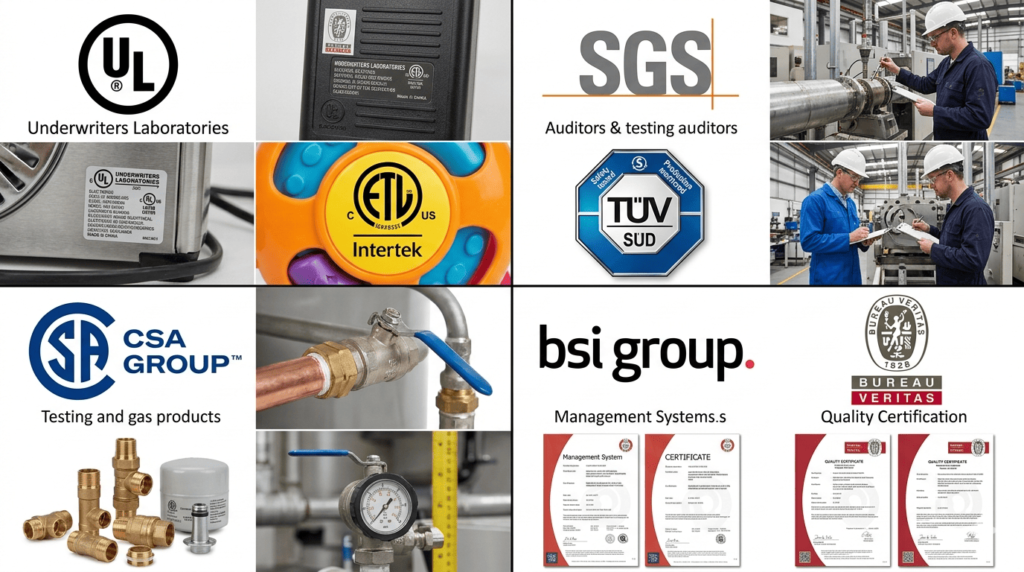
Accreditation is the formal recognition that a certification body is competent to perform specific certification activities.
Under WYAB (World Yield Accreditation Board), accreditation confirms that the certification body:
- Meets ISO/IEC 17065 requirements
- Operates under a structured management system
- Maintains impartiality and confidentiality
- Demonstrates technical competence
Benefits of Accreditation
- Global Recognition
Accredited certification bodies gain international acceptance. - Enhanced Credibility
Certification marks from accredited bodies carry more trust. - Regulatory Acceptance
Many regulators accept accredited certifications as proof of compliance. - Market Access
Helps manufacturers enter global markets easily. - Risk Reduction
Ensures consistent evaluation and reduces product failure risks.
4. WYAB Accreditation Framework
WYAB accreditation is designed to ensure that Product Certification Bodies operate with the highest levels of integrity and competence.
Core Principles of WYAB
- Transparency
- Impartiality
- Technical competence
- Accountability
- Consistency
Accreditation Scope
WYAB accreditation may cover:
- Electrical products
- Mechanical products
- Consumer goods
- Industrial equipment
- Food and agricultural products
- Medical devices
Each certification scope requires domain-specific expertise.
5. Key Requirements of ISO/IEC 17065
5.1 General Requirements
Certification bodies must:
- Be legally identifiable
- Have documented policies and procedures
- Maintain impartiality
- Ensure confidentiality
5.2 Structural Requirements
The organization must:
- Have a defined organizational structure
- Identify roles and responsibilities
- Establish mechanisms to safeguard impartiality
5.3 Resource Requirements
Includes:
- Competent personnel
- Adequate infrastructure
- Access to testing facilities
- Technical expertise
5.4 Process Requirements
Certification bodies must establish procedures for:
- Application review
- Evaluation and testing
- Decision-making
- Surveillance
- Recertification
5.5 Management System Requirements
Two options are available:
- Option A: Specific ISO/IEC 17065 requirements
- Option B: Alignment with ISO 9001-based management systems
6. Technical Competence Requirements
A critical aspect of accreditation is demonstrating technical competence.
Key Elements
- Qualified personnel with domain knowledge
- Training and competency evaluation
- Experience in product testing and certification
- Understanding of applicable standards
Sector-Specific Expertise
Certification bodies must show expertise in the specific sectors they operate in, such as:
- Automotive
- Electronics
- Construction
- Healthcare
7. Impartiality and Independence
Impartiality is the cornerstone of certification.
Certification bodies must:
- Avoid conflicts of interest
- Maintain independence from manufacturers
- Ensure unbiased decision-making
Risk Management
A risk-based approach is required to identify threats to impartiality and mitigate them effectively.
8. Certification Process
The certification process typically includes:
Step 1: Application
The client submits an application detailing:
- Product specifications
- Applicable standards
- Scope of certification
Step 2: Evaluation
Includes:
- Document review
- Testing
- Inspection
Step 3: Review
An independent review ensures:
- Accuracy of evaluation
- Compliance with standards
Step 4: Certification Decision
A formal decision is made based on evidence.
Step 5: Surveillance
Periodic assessments ensure continued compliance.
9. Use of Certification Marks
Certification bodies must control the use of certification marks.
Requirements include:
- Clear guidelines for usage
- Prevention of misuse
- Monitoring of certified products
Improper use can lead to suspension or withdrawal of certification.
10. Handling Complaints and Appeals
Certification bodies must have procedures for:
- Receiving complaints
- Investigating issues
- Resolving disputes
Appeals Process
Clients must have the right to appeal certification decisions.
11. Documentation and Record Control
Documentation is critical for transparency and traceability.
Certification bodies must maintain:
- Certification records
- Audit reports
- Decision records
- Client communications
Records must be:
- Secure
- Accessible
- Retained for defined periods
12. Surveillance and Reassessment
Continuous monitoring ensures ongoing compliance.
Surveillance Activities
- Periodic audits
- Product testing
- Market surveillance
Reassessment
Full reassessment is conducted periodically to renew certification.
13. Risk-Based Approach
ISO/IEC 17065 promotes a risk-based approach in:
- Decision-making
- Certification processes
- Impartiality management
This helps in:
- Identifying potential failures
- Improving reliability
- Enhancing consistency
14. Integration with Other Standards
Certification bodies often integrate ISO/IEC 17065 with:
- ISO 9001 (Quality Management)
- ISO/IEC 17025 (Testing Laboratories)
- ISO/IEC 17020 (Inspection Bodies)
This creates a comprehensive conformity assessment system.
15. Global Recognition and Mutual Agreements
Accredited certification bodies benefit from:
- Mutual Recognition Agreements (MRAs)
- International acceptance of certifications
This reduces duplication of testing and certification efforts.
16. Challenges Faced by Certification Bodies
Common Challenges
- Maintaining impartiality
- Keeping up with evolving standards
- Managing technical complexity
- Ensuring consistent decision-making
Solutions
- Continuous training
- Strong governance systems
- Advanced quality management systems
17. Digital Transformation in Certification
Modern certification bodies are adopting:
- Digital documentation systems
- Remote audits
- Data analytics
- AI-based evaluation tools
This improves:
- Efficiency
- Accuracy
- Transparency
18. Role in Consumer Protection
Product Certification Bodies protect consumers by ensuring:
- Product safety
- Compliance with regulations
- Reliable performance
They play a key role in preventing:
- Hazardous products
- Fraudulent claims
- Substandard manufacturing
19. Future Trends
Emerging Trends
- Sustainability certifications
- Green product standards
- Cybersecurity certifications
- Smart product validation
Increasing Demand
As global trade expands, demand for accredited certification bodies continues to grow.
20. WYAB-Specific Authorization Requirements

Under WYAB, Product Certification Bodies must comply with additional requirements:
20.1 Legal and Administrative Requirements
- Legal registration
- Defined scope of operations
- Compliance with national regulations
20.2 Technical Requirements
- Access to testing laboratories
- Qualified technical experts
- Documented certification schemes
20.3 Operational Requirements
- Structured certification processes
- Transparent decision-making
- Effective surveillance systems
20.4 Quality Assurance
- Internal audits
- Management reviews
- Continuous improvement
20.5 Ethical Requirements
- Integrity
- Confidentiality
- Professional conduct
21. Certification Schemes
Certification bodies must define schemes that include:
- Scope
- Requirements
- Evaluation methods
- Surveillance plans
Each scheme must align with ISO/IEC 17065 principles.
22. Importance for Businesses
For manufacturers, working with accredited certification bodies provides:
- Market credibility
- Regulatory compliance
- Customer trust
- Competitive advantage
23. Conclusion
Product Certification Bodies operating under ISO/IEC 17065 and accredited by WYAB play a critical role in ensuring product quality, safety, and compliance across industries.
By adhering to stringent requirements, maintaining impartiality, and demonstrating technical competence, these bodies provide assurance that certified products meet defined standards and expectations.
Table of Contents
Branches
WYAB Accreditation
WYAB Head Office
WYAB World Yoga Accreditation Board
WYAB House
C/O Mr.Garry 54, Glengarnock Avenue,
E-14 3BP Isle Of Dogs, London UK
Tel .: +44-8369083940
email: info@worldyoga.us
Website: https://worldyoga.us/
MUMBAI Head Office
World Yoga Accreditation Board (WYAB)
WYAB House
B-401, New Om Kaveri Chs. Ltd., Nagindas pada,
Next To Shiv Sena Office, Nallasopara (E)
Tel .: +91-7499991895
email: info@worldyoga.us
Website: https://worldyoga.us/
DELHI-NCR Regd. Office
World Yoga Accreditation Board (WYAB)
WYAB House
Asaoti, Dist Palwal
Faridabad Delhi NCR, Haryana
Tel .: +91-7979801035
Fax: +91-250 2341170
Website: https://worldyoga.us/