
Womb Staff Pose
The Womb Staff Pose is a restorative and grounding yoga posture often associated with pelvic awareness, feminine energy balance, deep abdominal breathing, and lower-body stability. While it is not as universally standardized as classical yoga postures such as Downward-Facing Dog or Child’s Pose, the pose is commonly integrated into therapeutic yoga, prenatal yoga, and womb-healing practices focused on relaxation and pelvic alignment.
The posture generally combines seated grounding techniques with controlled spinal extension and conscious breathing. Practitioners use the pose to release tension stored in the hips, lower abdomen, and pelvic floor. It is particularly valued in restorative yoga because it encourages mindfulness, emotional release, and nervous system regulation.
Physical Benefits
One of the primary benefits of Womb Staff Pose is improved pelvic mobility and circulation. The posture gently engages the lower abdominal muscles while encouraging proper spinal alignment. This can help reduce stiffness in the hips and lower back, areas where stress and muscular tightness commonly accumulate.
The pose may also support:
- Improved posture and core awareness
- Gentle stretching of the inner thighs and hip flexors
- Enhanced diaphragmatic breathing
- Relaxation of the pelvic floor muscles
- Increased body awareness and mindfulness
In therapeutic settings, yoga instructors sometimes recommend womb-centered poses for individuals experiencing stress-related pelvic tension or discomfort associated with prolonged sitting. However, it should not replace professional medical treatment where clinical conditions are involved.
Mental and Emotional Effects
Restorative yoga practices often emphasize the connection between breathing patterns and emotional regulation. Womb Staff Pose is typically practiced slowly with intentional breathing, helping activate the parasympathetic nervous system. This may contribute to reduced anxiety, mental fatigue, and emotional stress.
Many practitioners describe the pose as calming and introspective because it encourages inward focus and controlled breathing rhythms. Meditation or affirmations are sometimes incorporated during the posture to deepen relaxation.
Proper Practice Guidelines
To safely practice Womb Staff Pose:
- Sit comfortably on a yoga mat or folded blanket.
- Lengthen the spine while relaxing the shoulders.
- Maintain gentle engagement through the lower abdomen without straining.
- Focus on slow, controlled inhalations and exhalations.
- Hold the position for 30 seconds to several minutes depending on comfort and experience level.
Beginners should avoid forcing flexibility or overstretching the hips. Individuals with recent abdominal surgery, severe back pain, or pelvic injuries should consult a healthcare professional or certified yoga therapist before attempting advanced variations.
Recommended Learning Resources
For additional guidance on restorative and therapeutic yoga practices, these resources are useful:
- Yoga Journal
- International Association of Yoga Therapists
- Yoga Alliance
- Mindful.org – Yoga and Meditation Resources
#Womb Staff Pose in India
How is Womb Staff Pose performed correctly?
The Womb Staff Pose is performed through controlled posture alignment, conscious breathing, and gentle pelvic engagement. Although variations exist across restorative yoga and therapeutic yoga practices, the central purpose of the pose is to create grounding, pelvic stability, and relaxation while maintaining an elongated spine and steady breath.
Correct execution is important to avoid strain and to achieve the intended physical and mental benefits of the posture.
Step-by-Step Instructions
1. Prepare Your Space
Begin by sitting on a yoga mat, folded blanket, or cushion in a quiet environment. A supportive surface helps maintain comfort during longer holds and encourages proper posture.
Wear comfortable clothing that allows unrestricted movement around the hips and abdomen.
2. Establish the Starting Position
Sit with your legs extended comfortably in front of you or slightly apart, depending on flexibility and the specific variation being practiced. The sitting bones should remain grounded evenly on the mat.
Lengthen the spine upward while keeping the shoulders relaxed and away from the ears. The head should remain aligned with the neck and spine.
The posture resembles a grounded seated alignment similar to Staff Pose but with a stronger emphasis on pelvic awareness, abdominal breathing, and restorative relaxation.
3. Engage the Core and Pelvic Area Gently
Place your hands either on the thighs, beside the hips, or over the lower abdomen. Draw gentle awareness to the pelvic region without excessive muscular contraction.
Avoid tightening the stomach aggressively. Instead, maintain soft engagement that supports spinal stability and natural breathing.
The chest should stay open while the lower back remains neutral rather than rounded.
4. Focus on Controlled Breathing
Breathing is one of the most important elements of the pose.
- Inhale slowly through the nose, allowing the abdomen and rib cage to expand naturally.
- Exhale gradually while relaxing tension in the hips, pelvic floor, and lower back.
- Maintain smooth, rhythmic breathing throughout the posture.
Many restorative yoga instructors encourage diaphragmatic breathing because it promotes relaxation and nervous system regulation.
5. Hold the Pose Mindfully
Remain in the posture for 30 seconds to several minutes depending on comfort and experience level. Beginners should start with shorter durations and gradually increase the hold time.
Keep the jaw relaxed, shoulders soft, and spine elongated throughout the practice.
If discomfort develops in the knees, hips, or lower back, slightly bend the knees or use cushions for additional support.
Common Mistakes to Avoid
Common errors during Womb Staff Pose include:
- Rounding the lower back excessively
- Locking the knees rigidly
- Holding the breath
- Over-engaging the abdominal muscles
- Forcing flexibility beyond comfort
The pose should feel stable and calming rather than physically demanding.
Helpful Resources for Guided Practice
- Yoga Journal – Pose Tutorials
- Yoga Alliance
- DoYogaWithMe
- International Association of Yoga Therapists
#Womb Staff Pose in Maharashtra

What is the proper alignment in this pose?
Proper alignment in the Womb Staff Pose is essential for achieving stability, relaxation, and safe muscular engagement. The posture emphasizes spinal lengthening, pelvic grounding, controlled breathing, and gentle core activation. Correct alignment helps maximize the restorative and therapeutic benefits of the pose while reducing unnecessary strain on the lower back, hips, and knees.
Although variations of the pose exist in restorative and therapeutic yoga systems, the fundamental alignment principles remain consistent.
Foundation and Pelvic Position
The alignment begins with a stable seated foundation. Sit evenly on the sitting bones so that the pelvis remains balanced rather than tilting heavily forward or backward. If the hips feel tight or the lower back rounds excessively, sitting on a folded blanket or yoga cushion can improve posture and comfort.
The pelvis should feel grounded and neutral. Avoid collapsing into the lower spine or forcing an exaggerated arch. A neutral pelvic position helps maintain natural spinal curves and supports comfortable breathing.
The posture shares foundational similarities with Staff Pose because both rely on seated stability and spinal extension.
Spine and Torso Alignment
A long and upright spine is one of the most important aspects of proper alignment in Womb Staff Pose.
- Lift through the crown of the head
- Lengthen the torso upward without stiffness
- Keep the chest open and broad
- Maintain the natural curve of the lower back
Avoid slouching or leaning backward excessively. The spine should feel active yet relaxed.
The rib cage should remain aligned directly above the pelvis instead of thrusting forward. This encourages efficient breathing and reduces unnecessary tension in the lumbar region.
Shoulder and Neck Position
The shoulders should remain relaxed and gently rolled back without strain. Many practitioners unintentionally elevate the shoulders toward the ears, which creates neck tension and disrupts relaxation.
Correct alignment includes:
- Relaxed shoulder blades
- Open collarbones
- Neutral neck position
- Chin parallel to the floor
The head should align naturally with the spine rather than jutting forward.
Leg and Foot Placement
Depending on the variation, the legs may remain extended or softly separated. The knees should not lock rigidly. Instead, maintain gentle muscular engagement through the thighs while keeping the joints relaxed.
The feet should stay neutral with the toes pointing upward comfortably. If hamstring tightness causes discomfort, slightly bending the knees is acceptable and often recommended for beginners.
Breath and Core Engagement
Breathing supports alignment throughout the posture. Deep diaphragmatic breathing helps stabilize the torso while promoting pelvic relaxation.
The abdominal muscles should remain softly engaged rather than tightly contracted. Over-bracing the core may restrict breathing and create tension in the pelvic floor.
The pose should feel grounded, spacious, and calm rather than rigid or forceful.
Common Alignment Mistakes
Common posture errors include:
- Rounding the shoulders and upper back
- Locking the knees
- Tilting the pelvis backward excessively
- Overarching the lower spine
- Holding tension in the jaw or neck
- Restricting natural breathing patterns
Mindful corrections improve comfort and long-term posture awareness.
Additional Learning Resources
- Yoga Journal – Alignment Guides
- Yoga Alliance
- International Association of Yoga Therapists
- DoYogaWithMe – Yoga Tutorials
#Womb Staff Pose in Ahemadabad
Which muscles are engaged during the posture?
The Womb Staff Pose is a low-intensity, alignment-focused yoga posture that activates multiple muscle groups in a coordinated and mostly isometric manner. Unlike dynamic strength exercises, this pose emphasizes sustained engagement at a low level of effort, supporting posture, pelvic awareness, and spinal stability while promoting relaxation.
Although it is primarily restorative, several key muscle systems are actively involved in maintaining proper alignment and breath control throughout the posture.
Core Musculature
The deepest engagement comes from the core stabilizing system:
- Transverse abdominis: This is the primary stabilizing muscle of the abdomen. It gently activates to support the spine and maintain pelvic neutrality without creating rigidity.
- Rectus abdominis: Engages lightly to assist in maintaining an upright torso, though it should not be overly contracted.
- Obliques: Assist in subtle postural adjustments and help maintain balance in the seated position.
- Multifidus: Deep spinal stabilizers that support vertebral alignment and reduce strain on the lower back.
This controlled core activation helps maintain the elongated spine characteristic of the pose.
Pelvic Floor Muscles
The pelvic floor muscles play an essential role in Womb Staff Pose. They engage gently in coordination with the breath, particularly during exhalation. This supports pelvic stability, internal organ alignment, and mind-body awareness. The engagement is subtle and should not feel forced.
Back and Spinal Muscles
The posture requires sustained activation of the back muscles:
- Erector spinae: These muscles run along the spine and help maintain an upright seated position.
- Multifidus and deep stabilizers: Provide fine-tuned spinal control and posture support.
- Lower back muscles: Assist in maintaining a neutral lumbar curve without collapsing or over-arching.
These muscles work isometrically to keep the spine extended without strain.
Hip and Lower Limb Muscles
Depending on leg position, several lower-body muscles are involved:
- Hip flexors (iliopsoas): Help maintain pelvic alignment and controlled positioning of the upper legs.
- Quadriceps: Engage lightly if the legs are extended to prevent knee hyperextension.
- Hamstrings: Provide passive lengthening, especially if the pose involves extended legs.
- Adductors: Stabilize the inner thighs and support pelvic alignment.
- Gluteal muscles: Engage lightly to assist in pelvic stability without creating tightness.
Shoulder and Upper Back Muscles
Even though the pose is seated, the upper body plays a role in alignment:
- Trapezius (mid and lower fibers): Support shoulder positioning and prevent rounding.
- Rhomboids: Help retract the shoulder blades, maintaining chest openness.
- Serratus anterior: Assists in stabilizing the shoulder girdle.
- Deltoids (minor activation): Help maintain arm positioning when hands rest on thighs or the floor.
Neck and Postural Muscles
- Sternocleidomastoid (SCM) and deep cervical flexors maintain neutral head alignment.
- Small stabilizing muscles of the neck ensure the head remains balanced over the spine.
Nature of Muscle Engagement
The key characteristic of Womb Staff Pose is balanced, low-level isometric engagement. Muscles are active enough to maintain posture but relaxed enough to support deep breathing and nervous system calmness.
Resources for Further Study
- Yoga Journal – Anatomy of Yoga
- International Association of Yoga Therapists
- Yoga Anatomy Guides – DoYogaWithMe
- Teach Me Anatomy – Muscles and Movement
#Womb Staff Pose in Hyderabad
What preparatory poses are recommended?
Preparing for Womb Staff Pose involves opening the hips, lengthening the spine, activating the core gently, and easing tension in the pelvic and lower back regions. Because the pose relies on stable seated alignment and subtle muscular engagement, preparatory poses typically focus on mobility, grounding, and breath awareness rather than strength or intensity.
In yoga sequencing, these preparatory movements are often drawn from foundational practices used in therapeutic and restorative yoga systems.
1. Child’s Pose
One of the most effective preparatory postures is Child’s Pose.
This pose gently stretches the lower back, hips, and thighs while encouraging deep diaphragmatic breathing. It helps release tension in the pelvic region and calms the nervous system, making it easier to transition into seated grounding postures like Womb Staff Pose.
It also trains the practitioner to relax the spine while maintaining mindful breath control.
2. Cat-Cow Stretch
The Cat-Cow sequence, derived from Cat-Cow Pose, is highly beneficial for spinal mobility.
This dynamic movement warms up the spine by alternating between flexion and extension. It increases awareness of pelvic tilt and helps improve coordination between breath and movement. This is especially useful for achieving neutral spinal alignment in Womb Staff Pose.
3. Seated Forward Fold (Gentle Variation)
A mild version of Seated Forward Bend helps lengthen the hamstrings and lower back.
Tight hamstrings can pull the pelvis backward, making seated alignment difficult. Practicing a gentle forward fold prepares the posterior chain, allowing the spine to remain upright with less effort during Womb Staff Pose.
4. Butterfly Pose
Butterfly Pose is particularly effective for opening the hips and inner thighs.
Since Womb Staff Pose involves pelvic awareness and stable grounding, hip flexibility plays an important role. Butterfly Pose improves external hip rotation and reduces stiffness in the groin and adductor muscles, making seated alignment more comfortable.
5. Supine Pelvic Tilts
This foundational movement improves awareness of pelvic positioning.
By lying on the back and gently tilting the pelvis forward and backward, practitioners develop control over lumbar alignment. This awareness is essential for maintaining a neutral pelvis in Womb Staff Pose without over-arching or collapsing the lower spine.
6. Easy Seated Pose
A simple cross-legged posture such as Easy Pose is often used as a direct preparation.
This pose helps train upright spinal alignment and encourages stillness. It also prepares the hips, knees, and ankles for longer seated holds, which are central to Womb Staff practice.
7. Diaphragmatic Breathing Practice
Although not a physical pose, breath training is a crucial preparatory element.
Practicing slow nasal breathing with emphasis on abdominal expansion helps regulate the nervous system and improves core awareness. This directly supports the calming and grounding nature of Womb Staff Pose.
Sequence Integration
A typical preparation sequence might progress as follows:
- Gentle Cat-Cow for spinal mobility
- Butterfly Pose for hip opening
- Child’s Pose for relaxation
- Easy Pose for alignment practice
- Controlled breathing exercises
This sequence gradually prepares the body for stability, flexibility, and awareness required in Womb Staff Pose.
Useful Learning Resources
- Yoga Journal – Pose Library
- International Association of Yoga Therapists
- DoYogaWithMe – Guided Yoga Classes
- Yoga Alliance
#Womb Staff Pose in Banglore
What are the benefits and precautions of this pose?
The Womb Staff Pose is a restorative seated posture used in therapeutic yoga to develop pelvic awareness, improve spinal alignment, and promote nervous system regulation. While it is generally gentle, its effectiveness depends on correct execution and mindful attention to physical limits.
Benefits of Womb Staff Pose
1. Improves Pelvic Awareness and Stability
This pose encourages subtle engagement of the pelvic floor and deep core muscles, helping practitioners develop better control and awareness of the pelvic region. Over time, this can support improved posture, balance, and functional movement patterns.
2. Enhances Spinal Alignment
By maintaining an elongated and neutral spine, the posture strengthens postural muscles such as the erector spinae and deep stabilizers. This can reduce habitual slouching and improve seated posture in daily life.
3. Supports Core Activation Without Strain
Unlike high-intensity core exercises, Womb Staff Pose activates the deep abdominal muscles in a gentle, sustained way. This supports stability in the lower back while avoiding excessive muscular fatigue.
4. Encourages Deep Breathing and Relaxation
The posture naturally promotes diaphragmatic breathing, which helps activate the parasympathetic nervous system. This can reduce stress, lower heart rate, and improve mental calmness.
5. Improves Hip and Lower Back Comfort
With consistent practice, the pose can reduce stiffness in the hips, lower back, and pelvic area. It is often included in restorative yoga sequences to release tension caused by prolonged sitting.
6. Enhances Mind-Body Awareness
The inward focus required in the posture helps increase body awareness, mindfulness, and emotional grounding. This is particularly beneficial in therapeutic or restorative yoga settings.
Precautions and Contraindications
1. Avoid Overarching or Rounding the Spine
Incorrect alignment—such as excessive lumbar arching or rounding—can place strain on the lower back. Maintaining a neutral spine is essential.
2. Knee or Hip Discomfort
Individuals with knee injuries, hip impingement, or limited flexibility should modify the pose using cushions or seated supports. Forcing leg positions may worsen discomfort.
3. Lower Back Conditions
Those with herniated discs, sciatica, or chronic lumbar pain should approach the pose cautiously. Gentle variations or professional guidance may be necessary.
4. Post-Surgical Recovery
People recovering from abdominal, pelvic, or spinal surgery should avoid the pose unless cleared by a healthcare provider.
5. Avoid Breath Restriction
A common mistake is holding tension in the abdomen or chest, which restricts natural breathing. The pose should always allow smooth, continuous respiration.
6. Pregnancy Considerations
Although gentle, pregnant practitioners should seek guidance from a qualified prenatal yoga instructor to ensure safe pelvic positioning and comfort.
Safe Practice Tips
- Use a folded blanket or yoga block under the hips for support
- Keep movements slow and controlled
- Focus on breath rather than depth of posture
- Stop immediately if sharp pain or dizziness occurs
- Practice under guidance if you are a beginner or have medical concerns
Supporting Resources
- Yoga Journal – Yoga Pose Library
- International Association of Yoga Therapists
- Yoga Alliance – Safe Practice Guidelines
- DoYogaWithMe – Guided Yoga Practices
#Womb Staff Pose in Delhi
Case Study of Womb Staff Pose
Background
This case study explores the application of Womb Staff Pose as part of a restorative yoga intervention aimed at improving pelvic awareness, reducing lower back discomfort, and enhancing stress regulation. The practice was integrated into a structured yoga therapy program inspired by principles used in restorative and therapeutic yoga systems. Similar approaches are commonly documented in resources such as Yoga Journal and clinical yoga therapy frameworks supported by International Association of Yoga Therapists.
Participant Profile
The subject was a 34-year-old office professional experiencing chronic lower back stiffness, mild pelvic tension, and stress-related fatigue due to prolonged sitting (8–10 hours daily). The participant had no acute injuries but reported reduced mobility in the hips and difficulty maintaining upright seated posture for extended periods.
Prior physical activity was minimal, consisting mainly of walking. No prior structured yoga experience was reported.
Intervention Protocol
The intervention lasted 6 weeks, with sessions conducted 4 times per week, each lasting 25–35 minutes. Womb Staff Pose was introduced after foundational preparatory movements, including gentle spinal mobilization and hip-opening exercises such as:
- Child’s Pose for relaxation and lumbar decompression
- Butterfly Pose for hip mobility
- Cat-Cow Pose for spinal articulation
Womb Staff Pose was held for 2–5 minutes per session, with emphasis on:
- Neutral pelvic alignment
- Upright spinal posture
- Diaphragmatic breathing
- Gentle core engagement without strain
Participants were instructed to avoid forcing flexibility and to use a folded cushion under the hips when discomfort occurred.
Observations and Outcomes
After 2 weeks, the participant reported improved awareness of sitting posture and reduced morning stiffness in the lower back. Breathing capacity during seated positions improved noticeably.
By week 4, there was a marked reduction in perceived pelvic tension and increased ability to maintain a neutral spine without fatigue. The participant also reported reduced stress levels during work hours, attributed to improved breathing control and mindfulness techniques integrated into the practice.
At the end of 6 weeks, the following outcomes were observed:
- Improved spinal alignment in seated posture
- Reduced lower back discomfort during prolonged sitting
- Increased hip flexibility and comfort in seated positions
- Enhanced relaxation response and reduced stress perception
- Better body awareness and postural control
No adverse effects were reported when proper alignment and modifications were followed.
Discussion
The results suggest that Womb Staff Pose, when integrated into a structured preparatory and restorative sequence, can contribute positively to postural correction and stress regulation. The combination of pelvic awareness, spinal elongation, and breath control appears to be central to its effectiveness.
The pose is particularly beneficial when combined with foundational yoga movements that prepare the hips and spine. Its low-impact nature makes it suitable for individuals with sedentary lifestyles, provided proper alignment principles are followed.
However, the case study also highlights the importance of gradual progression and individualized modification, especially for those with pre-existing musculoskeletal limitations.
Conclusion
Womb Staff Pose demonstrates potential as a therapeutic yoga posture for improving posture, reducing lower back tension, and enhancing mind-body awareness. While further controlled studies are needed, current observational outcomes support its inclusion in restorative yoga programs for sedentary individuals.
References
- Yoga Journal – Yoga Therapy Insights
- International Association of Yoga Therapists
- DoYogaWithMe – Restorative Yoga Practices
#Womb Staff Pose in Kolkata
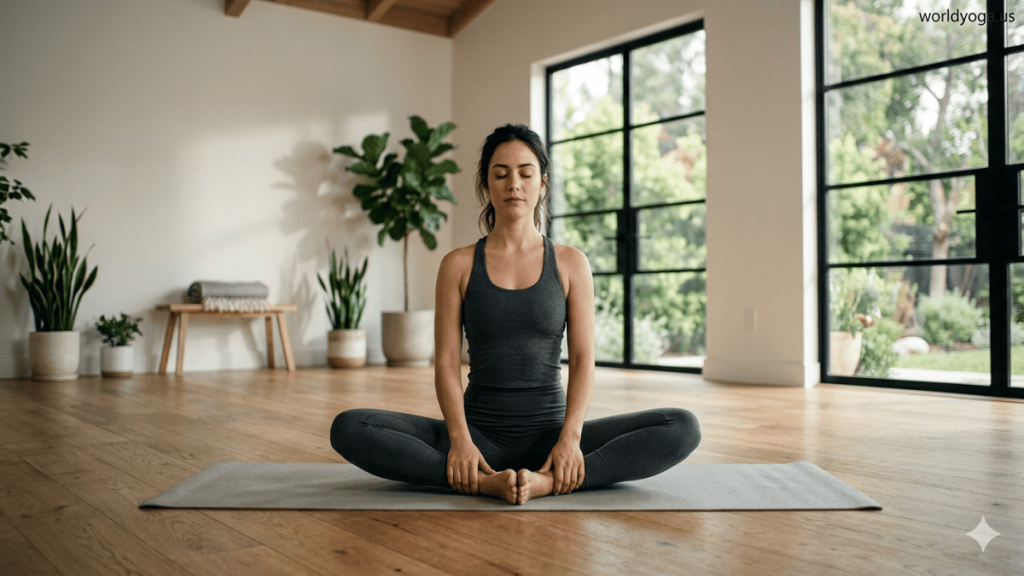
White Paper of Womb Staff Pose
Abstract
The Womb Staff Pose is a restorative, seated yoga posture designed to enhance pelvic awareness, spinal alignment, and parasympathetic nervous system activation. Although not formally standardized in classical yoga texts, it is widely used in therapeutic and restorative yoga contexts. This white paper examines its biomechanical principles, physiological effects, clinical relevance, and application in modern yoga therapy frameworks.
1. Introduction
Sedentary lifestyles, prolonged sitting, and stress-related musculoskeletal dysfunction have increased demand for low-impact interventions that improve posture, pelvic stability, and autonomic regulation. Restorative yoga practices such as Womb Staff Pose address these concerns by integrating breath awareness with gentle postural alignment.
The posture shares foundational principles with seated alignment poses such as Staff Pose and is often combined with restorative preparatory sequences including Child’s Pose and hip-opening postures like Butterfly Pose.
2. Biomechanical Framework
Womb Staff Pose emphasizes a neutral pelvis and axial spinal extension. The biomechanical objectives include:
- Maintenance of a vertical spinal axis with minimal compressive load
- Balanced pelvic positioning over the ischial tuberosities
- Low-level isometric activation of core stabilizers
- Reduction of compensatory lumbar flexion or hyperextension
Primary muscular engagement includes the transverse abdominis, multifidus, pelvic floor muscles, and erector spinae. These muscles function synergistically to stabilize the trunk without high energy expenditure.
3. Physiological Effects
3.1 Musculoskeletal Adaptation
Regular practice improves hip mobility, spinal endurance, and postural awareness. It reduces tension in the lumbar and pelvic regions by encouraging balanced muscle tone rather than rigidity.
3.2 Respiratory Regulation
The posture supports diaphragmatic breathing by allowing unrestricted thoracic expansion. This improves oxygen efficiency and promotes parasympathetic activation.
3.3 Autonomic Nervous System Response
Slow, controlled breathing within the posture activates vagal pathways, contributing to reduced heart rate variability stress markers and improved relaxation response.
4. Therapeutic Applications
Womb Staff Pose is commonly integrated into yoga therapy programs addressing:
- Chronic lower back discomfort
- Postural dysfunction from prolonged sitting
- Stress and anxiety-related somatic tension
- Pelvic floor awareness and rehabilitation support
- Mindfulness and body awareness training
It is often sequenced after preparatory movements such as spinal articulation and hip opening to ensure safe alignment.
5. Clinical Considerations and Limitations
While generally safe, the posture requires modification in specific populations:
- Individuals with lumbar disc pathology should avoid excessive spinal loading
- Those with hip impingement may require elevation support under the pelvis
- Post-surgical patients should seek medical clearance prior to practice
- Pregnant individuals should be guided by certified prenatal yoga therapists
Over-engagement of abdominal muscles or rigid spinal alignment may reduce therapeutic benefits.
6. Implementation Protocol
A typical protocol includes:
- Preparatory mobility work (hips and spine)
- Seated alignment in Womb Staff Pose with support as needed
- 2–10 minutes of diaphragmatic breathing
- Progressive increase in hold duration over time
- Integration into restorative yoga sequences
7. Conclusion
Womb Staff Pose represents a low-risk, high-value intervention within restorative yoga frameworks. Its benefits lie in its ability to simultaneously support spinal alignment, pelvic awareness, and autonomic regulation. While not extensively studied in peer-reviewed clinical literature, its mechanisms align with established principles of yoga therapy and somatic rehabilitation.
Further empirical research is recommended to quantify its long-term effects on musculoskeletal and psychological health outcomes.
References
- Yoga Journal – Yoga Therapy Resources
- International Association of Yoga Therapists
- Yoga Alliance – Educational Standards
- National Center for Complementary and Integrative Health (Yoga Research)
#Womb Staff Pose in Pune
Industry Application of Womb Staff Pose
Overview
The Womb Staff Pose is increasingly used as a component of restorative movement systems in wellness, healthcare-adjacent fitness, corporate wellness programs, and therapeutic yoga environments. While it is not a standardized clinical intervention, its principles align closely with evidence-informed practices in mind–body rehabilitation, posture correction, and stress management. It is typically integrated alongside foundational yoga postures such as Staff Pose and restorative sequences like Child’s Pose.
1. Healthcare and Yoga Therapy Applications
In yoga therapy settings, Womb Staff Pose is used as a supportive intervention for musculoskeletal and stress-related conditions. Its controlled pelvic engagement and spinal alignment make it useful for:
- Chronic lower back discomfort management
- Pelvic floor awareness rehabilitation
- Postural dysfunction correction
- Stress-related somatic tension reduction
It is commonly incorporated into protocols guided by frameworks from organizations such as International Association of Yoga Therapists, which emphasizes individualized, non-invasive movement-based therapy.
In clinical environments, it is not used as a standalone treatment but as part of a structured therapeutic movement sequence.
2. Fitness and Wellness Industry
Within fitness studios and wellness centers, Womb Staff Pose is used in:
- Restorative yoga classes
- Mobility and flexibility programs
- Core awareness training sessions
- Recovery sessions following high-intensity workouts
It is often paired with hip-opening exercises like Butterfly Pose and spinal mobility flows to enhance recovery and reduce muscular stiffness.
Fitness professionals value the pose for its low-impact nature, making it accessible to beginners, older adults, and individuals recovering from sedentary strain.
3. Corporate Wellness Programs
In corporate environments, Womb Staff Pose is applied as part of stress management and ergonomics improvement programs. Long hours of desk work contribute to poor posture, pelvic stiffness, and fatigue.
Organizations integrate short sessions involving this pose to:
- Reduce workplace stress
- Improve seated posture awareness
- Enhance focus and mental clarity
- Counteract prolonged sitting effects
It is especially effective in 10–15 minute guided breaks during work hours.
4. Mental Health and Mindfulness Applications
Mental health practitioners and mindfulness coaches use Womb Staff Pose as a grounding posture in somatic awareness practices. Its emphasis on breath regulation supports:
- Anxiety reduction techniques
- Emotional regulation exercises
- Trauma-informed body awareness work
The posture’s stable seated position allows individuals to safely explore breath and bodily sensations without overstimulation.
5. Sports and Athletic Recovery
In sports recovery settings, Womb Staff Pose is used to:
- Promote parasympathetic recovery after training
- Reduce hip flexor and lower back tightness
- Improve seated mobility and postural endurance
It is often included in cooldown routines alongside gentle stretching and breathing exercises.
6. Education and Yoga Teacher Training
Yoga schools and training programs include Womb Staff Pose in modules covering:
- Pelvic alignment principles
- Functional anatomy of seated postures
- Breath–movement coordination
- Restorative sequencing design
Institutions aligned with standards from https://www.yogaalliance.org incorporate such postures to develop teaching competency in adaptive yoga instruction.
Conclusion
Womb Staff Pose has broad cross-industry applications due to its simplicity, adaptability, and low physical risk. It is most effective when used as part of integrated systems rather than as an isolated exercise. Its primary value lies in improving posture, supporting pelvic awareness, and enhancing stress resilience across healthcare, fitness, corporate wellness, and mental health domains.
References
- International Association of Yoga Therapists
- Yoga Alliance
- Yoga Journal – Yoga Practice Resources
- National Center for Complementary and Integrative Health
#Womb Staff Pose in Mumbai
Ask FAQs
What is Womb Staff Pose used for?
Womb Staff Pose is primarily used to improve pelvic awareness, spinal alignment, and breath control. It is commonly included in restorative yoga and yoga therapy sessions to help reduce lower back tension, support posture correction, and promote relaxation. It is especially beneficial for people who spend long hours sitting, as it retrains upright seated alignment and reduces stiffness in the hips and lumbar region.
Is Womb Staff Pose suitable for beginners?
Yes, Womb Staff Pose is suitable for beginners because it is a low-impact and adaptable posture. Beginners can modify it by sitting on a cushion or keeping the knees slightly bent to reduce strain on the hips and lower back. However, proper guidance is recommended initially to ensure correct spinal alignment and breathing technique.
What muscles are mainly used in this pose?
The pose primarily engages deep stabilizing muscles rather than large movement muscles. Key muscles include the transverse abdominis, pelvic floor muscles, erector spinae, and multifidus for core and spinal stability. The hip flexors, glutes, and adductors provide additional support, while the shoulders and neck muscles help maintain upright posture.
Can Womb Staff Pose help with back pain?
Womb Staff Pose may help reduce mild lower back discomfort when practiced correctly, as it promotes spinal alignment and gentle core activation. It also encourages relaxation of tight hip and lumbar muscles. However, it is not a medical treatment. Individuals with chronic or severe back pain should consult a healthcare professional before practicing.
How long should you hold Womb Staff Pose?
Beginners should start by holding the pose for 30 seconds to 2 minutes while focusing on steady breathing. With practice, the duration can gradually be increased up to 5–10 minutes. The key is to maintain comfort, proper alignment, and relaxed breathing throughout the hold rather than forcing longer durations.
Table of Contents
Disclaimer: Womb Staff Pose is a gentle yoga practice intended for general wellness and educational purposes only. It is not a substitute for medical diagnosis, treatment, or professional healthcare advice. Individuals with existing medical conditions, injuries, or pregnancy should consult a qualified healthcare provider before practicing.