Graivasana
“Graivasana” is not a widely standardized term in classical yogic literature or modern commonly documented asanas, and it may be a regional pronunciation or spelling variation. In many cases, users referring to this term are actually pointing toward Greeva-based practices (neck-related exercises in yoga) or occasionally confusion with similarly named postures. For clarity in this article, we will interpret Graivasana as a neck-focused yoga practice aimed at improving cervical flexibility, posture alignment, and tension relief in the upper spine region.
Understanding Graivasana (Neck-Centric Yogic Practice)
In modern yoga therapy, neck-related asanas and movements are essential components of preventive spinal care. The cervical spine is highly vulnerable due to prolonged screen exposure, sedentary lifestyles, and poor posture habits. Graivasana, as interpreted here, emphasizes controlled neck movements integrated with breath awareness to restore mobility and reduce stiffness.
These practices typically include gentle forward and backward bends, lateral flexion, and slow rotational movements. When performed correctly, they help release muscular tension in the trapezius, sternocleidomastoid, and surrounding cervical muscles. Unlike high-intensity yoga poses, neck-focused asanas prioritize micro-movements, alignment, and breath synchronization.
Benefits of Graivasana Practice
Regular practice of neck-centered yoga movements can offer multiple physical and neurological benefits. One of the primary advantages is the reduction of tech neck syndrome, a condition caused by prolonged downward head posture while using digital devices. Improved blood circulation to the brain is another key benefit, often leading to better concentration and reduced fatigue.
Additionally, practitioners may experience improved shoulder mobility and reduced tension headaches. In therapeutic yoga settings, such practices are often recommended for individuals recovering from mild cervical strain or chronic postural imbalance. However, it is important to avoid forceful movement, especially in cases of cervical spondylosis or acute injury.
How to Practice Safely
Graivasana-style neck movements should always be performed in a slow and mindful manner. The spine must remain elongated, and breathing should be steady throughout each motion. Sudden jerks or overextension of the neck should be strictly avoided. Ideally, these exercises should be practiced under the guidance of a certified yoga instructor, particularly for beginners.
A simple routine may involve sitting in a comfortable cross-legged position, gently lowering the chin toward the chest, slowly lifting it upward, and then moving the head side to side in a controlled arc. Each movement should be synchronized with inhalation and exhalation.
Final Thoughts
Graivasana, interpreted as a neck-focused yoga practice, highlights the importance of cervical health in modern wellness routines. While it may not be a formally documented classical asana under this exact name, its principles align closely with therapeutic yoga practices aimed at spinal care and stress relief.
For further reading on cervical spine health and yoga therapy, you may refer to:
- https://www.yogajournal.com/poses/types/neck-exercises-yoga/
- https://www.ncbi.nlm.nih.gov/pmc/articles/PMC3193654/
- https://www.artofliving.org/in-en/yoga
#Graivasana in India
How is Graivasana performed correctly?
Graivasana is not a formally standardized classical yoga posture found in traditional hatha yoga texts. However, in modern yoga therapy and physiotherapy-informed yoga practice, the term is often used informally to describe a controlled set of neck (greeva) movements designed to improve cervical spine mobility, posture alignment, and muscular relaxation. When practiced correctly, Graivasana focuses on awareness, precision, and breath coordination rather than deep stretching or forceful movement.
Preparation Before Practice
Before beginning Graivasana, it is important to sit in a stable and comfortable position. The spine should remain upright, whether seated cross-legged on the floor or on a chair with feet flat. The shoulders should be relaxed and drawn slightly back without tension. The eyes can remain closed or softly focused forward to enhance concentration.
Breathing is the foundation of the practice. Slow inhalation through the nose prepares the body for movement, while gentle exhalation supports relaxation into each motion. The neck must remain free of strain throughout the practice.
Step-by-Step Execution of Graivasana
A correct Graivasana sequence generally includes four primary movements:
1. Forward Neck Flexion
Exhale slowly and gently lower the chin toward the chest. This stretches the back of the neck and relieves tension in the upper spine. Avoid forcing the head downward.
2. Backward Extension
Inhale and slowly lift the head upward, allowing a mild backward tilt without compressing the cervical vertebrae. The movement should remain soft and controlled.
3. Lateral Flexion (Side Movement)
Exhale and gently tilt the head toward the right shoulder, keeping both shoulders relaxed. Inhale back to center and repeat on the left side. The goal is not to touch the shoulder but to create a comfortable stretch along the side of the neck.
4. Gentle Rotation
Slowly rotate the head in a circular or semi-circular motion, maintaining a steady pace. Breathing remains smooth and uninterrupted. If circular rotation feels uncomfortable, half-circles are preferred.
Each movement should be repeated 3–5 times depending on comfort level.
Key Principles for Correct Practice
The effectiveness of Graivasana depends on mindful execution. Movements must be slow, symmetrical, and pain-free. Any sharp discomfort, dizziness, or tingling sensation is a signal to stop immediately. The shoulders must remain relaxed, and the upper body should not sway or compensate for neck movement.
It is also important to avoid practicing Graivasana immediately after meals or in cases of acute neck injury. Individuals with cervical spondylosis or chronic spine issues should consult a healthcare professional before beginning.
Benefits of Proper Practice
When performed correctly, Graivasana supports improved blood circulation in the cervical region, reduced stiffness, and relief from stress-induced tension headaches. It is also commonly used as a preparatory practice before more advanced yoga asanas or meditation sessions.
For further understanding of neck mobility exercises in yoga therapy, you may refer to:
- https://www.yogajournal.com/poses/types/neck-exercises-yoga/
- https://www.ncbi.nlm.nih.gov/pmc/articles/PMC3193654/
- https://www.artofliving.org/in-en/yoga
#Graivasana in Maharashtra
What is the proper alignment in this neck-focused yoga posture?
Graivasana, as it is commonly interpreted in modern yoga therapy, refers to a set of controlled neck movements designed to improve cervical spine mobility, posture awareness, and muscular balance. Since it is not a formally codified classical asana in traditional yogic texts, its “proper alignment” is understood through general principles of safe spinal positioning and anatomical correctness in neck movement practice.
Foundational Spinal Alignment
Proper alignment begins with establishing a neutral spine. The practitioner should sit upright with the pelvis grounded evenly, either on the floor in a cross-legged position or on a chair with both feet flat. The spine should be elongated, as if the crown of the head is gently lifted upward. This axial extension prevents unnecessary compression in the cervical region during movement.
The shoulders must remain relaxed and slightly rolled back without rigidity. A common alignment mistake is lifting or tightening the shoulders during neck movement, which disrupts the natural flow of motion and increases muscular strain. The chest should remain open but not forced outward.
Head and Neck Positioning
In Graivasana, the head must stay balanced directly above the shoulders in the starting position. The chin is parallel to the floor, neither tilted upward nor dropped forward. This neutral head alignment is essential to ensure that subsequent movements originate from controlled cervical articulation rather than compensatory upper back motion.
During forward flexion, the chin moves toward the chest in a smooth arc without collapsing the upper spine. In backward extension, the movement is gentle and should not compress the posterior neck. The key principle is maintaining segmental motion in the cervical vertebrae rather than bending the entire upper spine.
Shoulder and Upper Back Stability
One of the most critical aspects of proper alignment is stabilization of the shoulders and upper thoracic region. The shoulders should remain level and relaxed throughout the practice. Any elevation or rotation of the shoulders indicates misalignment and reduces the effectiveness of the neck-focused exercise.
The upper back should remain steady, avoiding excessive rounding or arching. This ensures that the movement is isolated to the cervical spine, which is the intended focus of Graivasana practice.
Breathing and Alignment Coordination
Proper alignment is closely linked with breath synchronization. Inhalation supports expansion and upward or backward movements, while exhalation facilitates forward or lateral movements. This coordination helps maintain rhythm and prevents abrupt motion, which can disturb spinal alignment.
Breath should remain smooth and diaphragmatic, avoiding shallow chest breathing that often leads to tension in the neck and shoulders.
Common Misalignment Errors to Avoid
Frequent mistakes include over-rotation of the neck, forcing the head beyond its natural range of motion, and moving the shoulders along with the head. Another common issue is performing the exercise too quickly, which compromises both alignment and safety.
Individuals should also avoid practicing with a protruded chin posture, as this negates the corrective benefits of the exercise and may reinforce poor postural habits.
Conclusion
Proper alignment in Graivasana is defined by a neutral spine, relaxed shoulders, and isolated cervical movement supported by steady breath control. The effectiveness of this practice lies not in range or intensity, but in precision and awareness. When alignment principles are followed correctly, Graivasana can support improved posture, reduced neck tension, and enhanced spinal mobility.
For additional reference on cervical alignment and therapeutic yoga principles, you may explore:
- https://www.yogajournal.com/poses/types/neck-exercises-yoga/
- https://www.ncbi.nlm.nih.gov/pmc/articles/PMC3193654/
- https://www.health.harvard.edu/pain/relieving-neck-pain-with-exercise
#Graivasana in Ahemadabad
Which muscles and areas of the body are engaged during the pose?
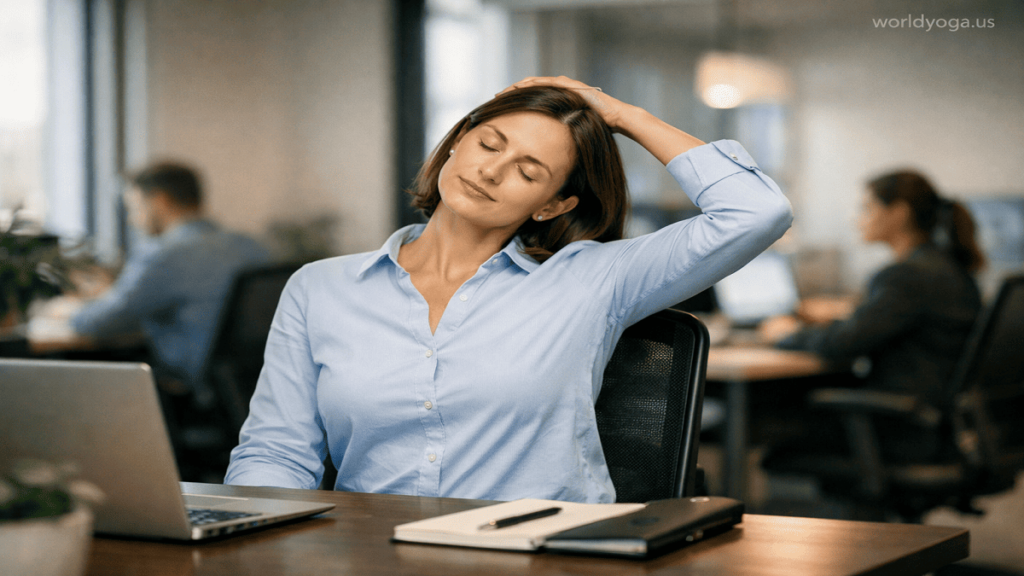
Graivasana, commonly understood in modern yoga therapy as a sequence of controlled cervical movements, primarily targets the neck and surrounding stabilizing structures of the upper body. Although it is not a classical codified asana, its functional anatomy can be clearly explained through the muscles involved in neck flexion, extension, lateral movement, and rotation.
Primary Muscles of the Cervical Spine
The most directly engaged muscles during Graivasana are the deep and superficial cervical muscles responsible for head positioning and controlled motion.
During forward neck flexion, the sternocleidomastoid (SCM) plays a major role, assisted by the longus colli and longus capitis, which are deep stabilizing muscles of the anterior neck. These muscles help draw the chin toward the chest in a controlled and safe manner.
In backward extension, the upper trapezius, splenius capitis, and semispinalis capitis become active. These posterior neck muscles support gentle lifting of the head and help maintain cervical curvature without excessive compression.
Muscles Involved in Lateral Flexion and Rotation
Side bending movements engage a combination of unilateral neck muscles. The scalene muscles (anterior, middle, and posterior) assist in tilting the head laterally while maintaining stability in the cervical spine. The SCM also contributes significantly when rotating the head to either side.
During rotational movements, coordination between the splenius capitis, splenius cervicis, and contralateral SCM allows smooth turning of the head. These muscles work in balance to ensure controlled mobility rather than abrupt twisting.
Supporting Muscles of the Shoulder Girdle
Although Graivasana focuses on the neck, the shoulders and upper back play an essential stabilizing role. The trapezius muscle, especially its upper and middle fibers, helps maintain shoulder position and prevents unnecessary elevation during movement.
The levator scapulae is also indirectly involved, as it connects the cervical spine to the shoulder blade and assists in controlling neck posture. When this muscle is tight due to poor posture, it can restrict smooth neck movement, making relaxation essential during practice.
Deep Postural Stabilizers
A key but often overlooked component of Graivasana is activation of deep postural stabilizers. The deep cervical flexors support alignment of the head over the spine, while small intrinsic muscles of the neck help maintain segmental control of vertebrae during movement.
These muscles are crucial for correcting forward head posture, a common issue caused by prolonged screen use and sedentary habits.
Secondary Areas Engaged
Beyond the neck, Graivasana indirectly influences the upper thoracic spine and upper back region. Mild engagement of the erector spinae in the upper back helps maintain upright posture. The chest muscles, particularly the pectoralis major and minor, may also experience passive stretching during backward neck extension when posture is corrected.
Functional Importance of Muscle Engagement
The coordinated activation and relaxation of these muscle groups improve cervical mobility, reduce stiffness, and enhance neuromuscular control. Unlike strength-based exercises, Graivasana emphasizes balance, symmetry, and gentle activation rather than forceful contraction.
When practiced correctly, this engagement pattern helps restore natural head alignment, reduces tension headaches, and supports healthier posture in daily activities.
Conclusion
Graivasana engages a complex network of cervical, shoulder, and upper back muscles. Primary involvement includes the sternocleidomastoid, scalene group, trapezius, and deep cervical stabilizers, while secondary support comes from upper thoracic and postural muscles. The coordinated action of these structures allows smooth, controlled neck movement and contributes to improved spinal health.
For further anatomical reference on neck muscle function and yoga-based movement therapy, you may explore:
- https://www.physio-pedia.com/Cervical_Spine
- https://www.yogajournal.com/anatomy/neck-muscles/
- https://www.ncbi.nlm.nih.gov/pmc/articles/PMC3193654/
#Graivasana in Hyderabad
What preparatory poses are recommended before practicing Graivasana?
Graivasana, understood in modern yoga therapy as a sequence of controlled neck (greeva) movements, places focused demand on the cervical spine and surrounding stabilizing muscles. Because the neck is highly sensitive and closely connected to posture, circulation, and nervous system function, proper preparation is essential. A short preparatory sequence helps warm up the upper spine, release shoulder tension, and improve neuromuscular coordination before beginning the practice.
Gentle Seated Posture for Spinal Awareness
Before any specific preparatory asana, establishing a stable seated posture is important. Poses such as Sukhasana (Easy Pose) or sitting on a chair with feet grounded help align the pelvis and spine. This foundational position encourages axial extension, allowing the neck to move freely without compensatory strain from the lower back.
In this setup, the practitioner begins to develop awareness of head–neck alignment, which is essential for safe Graivasana practice.
Tadasana (Mountain Pose)
Tadasana is one of the most effective preparatory poses for Graivasana because it teaches full-body alignment. In this standing posture, the spine is elongated, shoulders are relaxed, and the head is balanced directly over the pelvis. This alignment is later replicated in seated neck movements.
Practicing Tadasana helps activate postural muscles, including the deep spinal stabilizers, which support controlled cervical movement. It also improves proprioception, making it easier to recognize misalignment during neck exercises.
Bhujangasana (Cobra Pose – Gentle Variation)
A mild version of Bhujangasana helps prepare the anterior neck and upper spine for extension movements used in Graivasana. This pose opens the chest and strengthens the upper back muscles, particularly the trapezius and spinal extensors.
By gently lifting the chest while keeping the neck long, practitioners reduce stiffness in the anterior shoulder and cervical region. This improves range of motion and prevents strain during backward neck movements.
Bitilasana-Marjaryasana (Cat–Cow Stretch)
The Cat–Cow sequence is highly beneficial for mobilizing the entire spine, including the cervical region. In the “Cow” phase, the head gently lifts, preparing the neck for extension. In the “Cat” phase, the chin moves toward the chest, mirroring forward flexion in Graivasana.
This rhythmic movement enhances spinal fluidity, warms up intervertebral joints, and synchronizes breath with motion. It is one of the safest and most effective preparatory practices for neck-focused yoga.
Sukshma Vyayama (Gentle Joint Loosening Exercises)
Traditional Sukshma Vyayama, or subtle joint exercises, includes shoulder rotations, neck loosening, and upper spine mobilization. These micro-movements are particularly important before Graivasana because they release stiffness in the trapezius, sternocleidomastoid, and scalene muscles.
Slow shoulder rolls and gentle head nodding help increase blood flow and reduce muscular resistance, making subsequent neck movements smoother and safer.
Gomukhasana Arms (Cow Face Arms Variation)
The arm position of Gomukhasana helps open the shoulders and upper back, which indirectly supports cervical alignment. Tight shoulders often contribute to poor neck posture, so releasing this region improves movement quality during Graivasana.
This posture also stretches the deltoids and triceps while encouraging scapular mobility.
Conclusion
Effective preparation for Graivasana involves a combination of spinal alignment postures, gentle mobility exercises, and shoulder-opening stretches. Poses such as Tadasana, Cat–Cow, gentle Bhujangasana, Sukshma Vyayama, and Gomukhasana arms collectively prepare the cervical spine for safe and controlled movement.
When practiced consistently, these preparatory asanas reduce stiffness, improve alignment awareness, and significantly lower the risk of strain during neck-focused yoga practice.
For further reading on spinal preparation and yoga therapy principles, you may explore:
- https://www.yogajournal.com/poses/types/cat-cow-pose/
- https://www.yogajournal.com/poses/mountain-pose/
- https://www.ncbi.nlm.nih.gov/pmc/articles/PMC3193654/
#Graivasana in Pune
What are the benefits and precautions of Graivasana?
Graivasana is commonly understood in modern yoga therapy as a sequence of gentle, controlled neck movements aimed at improving cervical mobility, posture awareness, and muscular balance. While it is not a classical asana found in traditional hatha yoga texts, its principles align closely with therapeutic practices for spinal health. Like any neck-focused exercise, its benefits are significant when performed correctly, but it also requires careful attention to safety and alignment.
Benefits of Graivasana
One of the primary benefits of Graivasana is improved cervical spine mobility. Regular practice helps maintain the natural range of motion in the neck, including flexion, extension, lateral bending, and rotation. This is particularly useful for individuals who spend long hours working on computers or mobile devices, where static posture often leads to stiffness.
Graivasana also helps in reducing muscular tension in the neck and shoulders. The controlled movements engage and gently stretch muscles such as the sternocleidomastoid, trapezius, and scalene group. This can lead to relief from tightness caused by stress or poor posture.
Another important benefit is the reduction of tension-type headaches. Since many headaches originate from cervical muscle strain, improving circulation and relaxation in the neck region can help decrease their frequency and intensity.
The practice also supports better postural alignment. By encouraging awareness of head positioning over the spine, Graivasana helps correct forward head posture, commonly known as “tech neck.” Over time, this contributes to improved spinal balance and reduced strain on the upper back.
Additionally, Graivasana can enhance blood circulation and nervous system function in the cervical region. Gentle movement improves oxygen flow to surrounding tissues and supports neuromuscular coordination, which may contribute to better focus and reduced fatigue.
Precautions Before Practicing Graivasana
Despite its simplicity, Graivasana must be practiced with caution due to the sensitivity of the cervical spine. The most important precaution is to avoid forceful or jerky movements. Sudden neck rotations or deep backward bending can strain ligaments and muscles.
Individuals with cervical spondylosis, herniated discs, or chronic neck injuries should consult a healthcare professional or qualified yoga therapist before attempting this practice. In some cases, modified or restricted movements may be recommended.
It is also important to avoid practicing Graivasana when experiencing acute pain, dizziness, or vertigo. These symptoms may indicate underlying conditions that could be worsened by neck movement.
Another key precaution is maintaining proper posture and shoulder relaxation throughout the exercise. Elevating or tensing the shoulders during neck movement reduces effectiveness and increases risk of strain.
Practicing immediately after heavy meals or in an unstable seating position should also be avoided, as it can disrupt balance and focus.
Guidelines for Safe Practice
To ensure safety, Graivasana should always be performed slowly with breath awareness. Movements should remain within a comfortable range, never exceeding natural limits of the neck. Ideally, beginners should learn under the supervision of a certified yoga instructor to ensure correct technique and alignment.
Consistency is more important than intensity. Short, regular sessions are more beneficial than long or forceful practice sessions.
Conclusion
Graivasana offers meaningful benefits for cervical mobility, posture correction, stress relief, and overall neck health. However, its effectiveness depends entirely on mindful execution and respect for anatomical limits. When practiced correctly and cautiously, it serves as a valuable tool for maintaining spinal well-being in modern sedentary lifestyles.
For further reading on neck health and therapeutic yoga practices, you may refer to:
- https://www.yogajournal.com/poses/types/neck-exercises-yoga/
- https://www.ncbi.nlm.nih.gov/pmc/articles/PMC3193654/
- https://www.health.harvard.edu/pain/relieving-neck-pain-with-exercise
#Graivasana in Delhi
Case Study of Graivasana
Graivasana, understood in modern yoga therapy as a structured sequence of gentle neck (greeva) movements, is increasingly being applied as a supportive intervention in managing mild cervical discomfort, postural imbalance, and stress-related neck stiffness. While not a formally classical asana, its therapeutic framework aligns with evidence-based yoga practices used in musculoskeletal rehabilitation. The following case study illustrates its practical application in a clinical wellness setting.
Background of the Case
A 34-year-old office professional presented with chronic neck stiffness, occasional tension headaches, and reduced range of motion in the cervical spine. The symptoms had gradually developed over two years due to prolonged computer use, poor ergonomic posture, and irregular physical activity. Clinical assessment indicated mild forward head posture and muscle tightness in the upper trapezius and sternocleidomastoid regions. No structural spinal abnormalities were reported.
The individual was introduced to a supervised yoga therapy program that included Graivasana as a core component, along with general postural correction exercises.
Intervention Protocol
The Graivasana protocol was designed as a 15-minute daily routine, practiced five days a week over a period of six weeks. The sequence included:
- Gentle cervical flexion and extension movements
- Controlled lateral neck tilts
- Slow rotational movements within pain-free range
- Breath synchronization with each movement phase
- Short relaxation intervals between sets
Each movement was performed in a seated upright position with emphasis on spinal alignment and shoulder relaxation. The practitioner was instructed to avoid forceful motion and maintain awareness of discomfort thresholds.
Supporting practices included basic Tadasana alignment training, ergonomic corrections at the workstation, and periodic stretching breaks during work hours.
Observations and Progress
By the end of the second week, the participant reported a noticeable reduction in morning stiffness and improved ease of head movement. Headache frequency also decreased from three to one episode per week.
At the four-week mark, cervical range of motion showed measurable improvement, particularly in lateral flexion and rotation. The participant also demonstrated better postural awareness, with reduced forward head positioning during work hours.
After six weeks, subjective pain levels decreased significantly, and the individual reported improved focus, reduced fatigue, and greater comfort during prolonged desk work. Clinical observation confirmed improved neck mobility and reduced muscular tension in the upper trapezius region.
Discussion
The outcomes suggest that Graivasana, when practiced consistently and correctly, can contribute to functional improvements in cervical mobility and muscular relaxation. The combination of slow movement, breath awareness, and postural correction appears to play a key role in reducing neuromuscular tension.
However, the effectiveness of Graivasana is highly dependent on technique precision and ergonomic modifications. It is not a standalone cure but functions best as part of a broader lifestyle intervention that includes posture correction, physical activity, and stress management.
Precautions Noted During the Case
No adverse effects were reported during the intervention period. However, the practitioner emphasized strict avoidance of rapid neck rotation and overextension. Continuous monitoring was recommended for individuals with pre-existing cervical conditions.
Conclusion
This case study demonstrates that Graivasana, as a therapeutic neck movement practice, can support recovery from mild cervical strain and posture-related discomfort. When integrated into a structured wellness program, it contributes to improved mobility, reduced pain perception, and enhanced postural awareness. Its success depends on consistency, correct alignment, and integration with ergonomic and lifestyle changes.
For further reference on yoga-based cervical rehabilitation, see:
- https://www.ncbi.nlm.nih.gov/pmc/articles/PMC3193654/
- https://www.yogajournal.com/poses/types/neck-exercises-yoga/
- https://www.health.harvard.edu/pain/relieving-neck-pain-with-exercise
#Graivasana in Pune
White Paper of Graivasana
Abstract
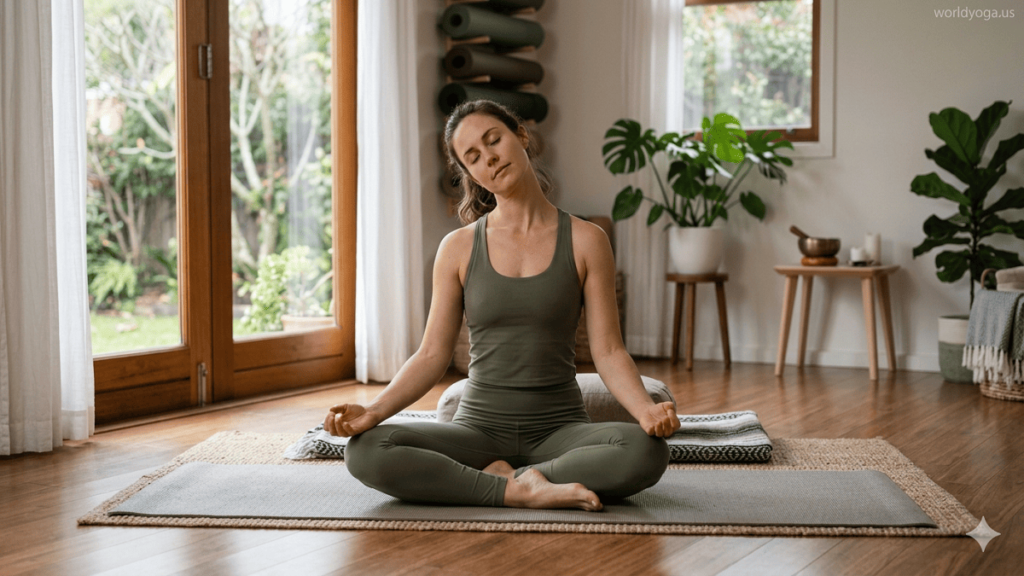
Graivasana, interpreted in contemporary yoga therapy as a structured sequence of controlled cervical (neck) movements, is an emerging functional practice used to support musculoskeletal health, particularly in relation to posture-related neck dysfunction. Although not codified in classical yogic scriptures, its principles are consistent with evidence-informed yoga therapy approaches targeting cervical spine mobility, neuromuscular coordination, and stress reduction. This white paper examines its conceptual foundation, therapeutic relevance, application methodology, and limitations within modern integrative health systems.
1. Introduction
The increasing prevalence of “tech neck,” forward head posture, and cervical strain due to prolonged digital device usage has created a demand for accessible, non-invasive corrective practices. Graivasana has emerged in modern yoga therapy contexts as a simplified, neck-focused movement protocol designed to restore functional alignment and reduce muscular tension in the cervical region.
Unlike traditional asanas that emphasize full-body postures, Graivasana focuses specifically on micro-movements of the cervical spine integrated with breath awareness and postural stabilization.
2. Conceptual Framework
Graivasana is based on four fundamental movement patterns of the cervical spine:
- Flexion (forward movement)
- Extension (backward movement)
- Lateral flexion (side bending)
- Rotation (controlled turning)
These movements engage key anatomical structures including the sternocleidomastoid, trapezius, scalene group, splenius muscles, and deep cervical flexors. The practice emphasizes slow neuromuscular re-education rather than strength training or deep stretching.
The theoretical foundation aligns with principles of:
- Proprioceptive training
- Myofascial release
- Breath-movement synchronization
- Postural re-education
3. Methodology of Practice
A standardized Graivasana protocol typically includes:
- Seated spinal alignment in neutral posture
- Slow cervical movements within pain-free range
- Synchronization of inhalation and exhalation with motion
- Repetition in low volume (3–5 cycles per movement type)
- Relaxation intervals between sets
The practice duration generally ranges from 10 to 20 minutes per session. Emphasis is placed on consistency rather than intensity.
4. Therapeutic Applications
Graivasana is primarily applied in the following contexts:
- Mild cervical stiffness and muscular tension
- Postural imbalance due to sedentary lifestyle
- Stress-related neck tightness and tension headaches
- Preventive care for occupational strain (desk-based work)
In integrative rehabilitation settings, it is often combined with ergonomic correction, shoulder mobility exercises, and general spinal yoga practices.
5. Observed Outcomes in Practice Settings
Clinical and observational yoga therapy reports indicate potential improvements in:
- Cervical range of motion
- Reduction in perceived neck pain
- Improved postural awareness
- Decreased frequency of tension headaches
- Enhanced relaxation response via parasympathetic activation
However, outcomes vary based on consistency, technique accuracy, and underlying musculoskeletal conditions.
6. Safety Considerations and Limitations
Graivasana is generally low-risk when performed correctly, but requires caution in individuals with:
- Cervical spondylosis
- Disc herniation
- Acute neck injury
- Vertigo or vestibular disorders
Forceful movement, rapid rotations, or hyperextension significantly increase risk and must be avoided. The practice is not a substitute for medical treatment in structural spinal disorders.
7. Integration into Modern Health Systems
Graivasana is best positioned as a complementary intervention within:
- Occupational health programs
- Physiotherapy-supported rehabilitation
- Corporate wellness initiatives
- Preventive lifestyle medicine frameworks
Its simplicity allows for easy integration into daily routines without specialized equipment.
8. Conclusion
Graivasana represents a functional, accessible approach to cervical spine care rooted in yoga therapy principles. While not a classical asana, its structured application demonstrates value in addressing modern postural challenges. Its effectiveness depends on precision, consistency, and integration with broader ergonomic and lifestyle interventions.
References
- https://www.ncbi.nlm.nih.gov/pmc/articles/PMC3193654/
- https://www.yogajournal.com/poses/types/neck-exercises-yoga/
- https://www.health.harvard.edu/pain/relieving-neck-pain-with-exercise
#Graivasana in Kolkata
Industry Application of Graivasana
Graivasana, interpreted in modern yoga therapy as a structured sequence of controlled cervical (neck) movements, has found increasing relevance across multiple industries due to the growing burden of posture-related musculoskeletal disorders. While it is not a classical codified asana, its functional design aligns with preventive ergonomics, occupational health strategies, and integrative wellness frameworks. Its simplicity, low cost, and adaptability make it suitable for large-scale implementation in workplace and healthcare environments.
1. Corporate and IT Industry Wellness Programs
One of the most significant applications of Graivasana is in the corporate sector, particularly in IT and desk-based professions. Employees who spend prolonged hours on computers are highly susceptible to “tech neck,” shoulder stiffness, and tension headaches.
Organizations integrate Graivasana into workplace wellness breaks or “micro-break routines” to reduce musculoskeletal strain. Short guided sessions of 10–15 minutes during work hours help improve neck mobility, reduce fatigue, and enhance productivity. Many companies also include it in digital wellness modules or virtual wellness workshops.
This aligns with broader occupational health strategies focused on reducing sedentary lifestyle risks.
2. Healthcare and Physiotherapy Support Systems
In physiotherapy and rehabilitation settings, Graivasana is used as a supportive mobility exercise for patients with mild cervical discomfort or postural dysfunction. It is often included alongside manual therapy, strengthening exercises, and ergonomic correction.
Healthcare professionals may recommend it as a home-based continuation exercise after clinical sessions to maintain cervical mobility and prevent recurrence of stiffness. Its controlled nature makes it suitable for early-stage rehabilitation, provided it is performed under guidance.
3. Yoga Therapy and Wellness Centers
Yoga therapy centers incorporate Graivasana as part of therapeutic spinal care modules. It is commonly paired with asanas like Tadasana, Bhujangasana (gentle variation), and Sukshma Vyayama to create a holistic cervical care sequence.
In wellness retreats and stress management programs, Graivasana is used to address psychosomatic tension, particularly stress-induced neck stiffness and headaches. Its breath-synchronized movement pattern also supports relaxation and nervous system regulation.
4. Educational Institutions
Schools, colleges, and universities are increasingly adopting short movement-based wellness interventions to counteract poor posture among students. Graivasana is introduced as part of classroom stretching routines or physical education programs.
This is particularly relevant for students using laptops and mobile devices extensively, helping reduce early onset posture-related issues and improving concentration.
5. Remote Work and Digital Health Platforms
With the rise of remote work, digital wellness platforms and mobile health applications have started incorporating Graivasana into guided video routines and posture correction reminders. These platforms encourage users to perform neck mobility exercises between long screen sessions.
Wearable technology integrations and posture-tracking apps may also prompt users to perform short Graivasana sequences when prolonged inactivity is detected.
6. Sports and Fitness Industry
In sports training environments, Graivasana is used as a warm-up and recovery tool for athletes involved in activities requiring upper body endurance and neck stability, such as swimming, cycling, and combat sports.
It helps reduce muscle tightness, improve joint mobility, and support recovery after intense training sessions.
7. Limitations in Industrial Application
Despite its wide applicability, Graivasana has limitations. It is not a standalone therapeutic intervention for severe cervical pathologies and must be integrated with professional medical care when required. Incorrect execution at scale (without guidance) may lead to strain or ineffective outcomes.
Additionally, standardization across industries remains limited due to its informal classification within yoga therapy.
Conclusion
Graivasana is increasingly recognized as a practical, low-cost, and scalable intervention for addressing modern cervical health challenges across industries. From corporate wellness programs to physiotherapy support and digital health platforms, its applications are expanding rapidly. Its value lies in preventive care, accessibility, and adaptability rather than clinical replacement of medical treatment.
When implemented correctly within structured wellness frameworks, Graivasana contributes meaningfully to reducing occupational strain, improving posture, and enhancing overall workforce well-being.
References
- https://www.ncbi.nlm.nih.gov/pmc/articles/PMC3193654/
- https://www.health.harvard.edu/pain/relieving-neck-pain-with-exercise
- https://www.yogajournal.com/poses/types/neck-exercises-yoga/
#Graivasana in Mumbai
Ask FAQs
What is Graivasana?
Graivasana is a modern yoga therapy interpretation of controlled neck (cervical) movements designed to improve flexibility, posture, and muscular relaxation. Although not a classical asana from traditional yoga texts, it is widely used in therapeutic yoga and physiotherapy-inspired practices for neck mobility and stress relief.
Who can practice Graivasana?
Graivasana is generally suitable for healthy individuals of all age groups, especially those experiencing mild neck stiffness due to prolonged sitting or screen use. However, individuals with cervical spondylosis, disc herniation, vertigo, or recent neck injuries should consult a healthcare professional before practicing.
How often should Graivasana be practiced?
For general wellness, Graivasana can be practiced once or twice daily for about 10–15 minutes. Consistency is more important than duration. Regular short sessions help maintain cervical mobility and reduce stiffness caused by sedentary habits.
Can Graivasana help with neck pain and headaches?
Yes, in many mild cases, Graivasana may help reduce tension-related neck pain and headaches by improving blood circulation, releasing muscular tightness, and correcting posture. However, it should not be considered a replacement for medical treatment in severe or chronic conditions.
What precautions should be taken while practicing Graivasana?
Movements should always be slow, controlled, and within a pain-free range. Avoid jerking the neck, over-rotating, or applying force. The shoulders should remain relaxed, and breathing should be steady throughout the practice. If dizziness or discomfort occurs, the exercise should be stopped immediately and professional advice should be sought.
Table of Contents
Disclaimer
The information provided about Graivasana is for educational and general wellness purposes only. It is not a substitute for professional medical advice, diagnosis, or treatment. Individuals with existing medical conditions such as cervical spine disorders, chronic neck pain, vertigo, or injuries should consult a qualified healthcare professional before practicing. Perform all movements slowly and within a pain-free range, and discontinue immediately if discomfort occurs.