Big Toes Pose
The Big Toes Pose, commonly known as Padangusthasana in yoga, is a foundational standing forward bend that improves flexibility, posture, and body awareness. Frequently practiced in modern yoga routines, this pose stretches the hamstrings, calves, and lower back while also encouraging relaxation and mental focus. Despite appearing simple, Big Toes Pose requires proper alignment and controlled breathing to achieve its full benefits safely.
What Is Big Toes Pose?
Big Toes Pose is a standing forward fold where practitioners bend from the hips and hold their big toes using the index and middle fingers. The pose is traditionally included in many yoga styles, including Ashtanga and Hatha yoga, because it promotes spinal extension and lower-body flexibility.
The Sanskrit term Padangusthasana comes from:
- Pada = foot
- Angustha = big toe
- Asana = pose
This posture is especially useful for individuals who spend long hours sitting, as it helps release tension in the back and legs.
Learn more about the fundamentals of yoga poses at Yoga Journal.
How to Perform Big Toes Pose
Follow these steps carefully to practice the pose correctly:
- Stand upright with feet hip-width apart.
- Inhale deeply and lengthen the spine.
- Exhale while folding forward from the hips.
- Bend the knees slightly if your hamstrings feel tight.
- Hook your index and middle fingers around your big toes.
- Inhale to lengthen the torso.
- Exhale and gently deepen the stretch by bending the elbows outward.
- Hold the pose for 5–8 breaths while maintaining relaxed breathing.
- Slowly rise back up to standing.
Proper alignment is important to avoid strain on the lower back or knees. Beginners should avoid forcing the stretch and instead focus on gradual improvement.
Detailed beginner guidance can also be found at DoYogaWithMe.
Benefits of Big Toes Pose
Improves Flexibility
The pose deeply stretches the hamstrings, calves, hips, and spine, increasing overall mobility over time.
Supports Better Posture
By lengthening the spine and strengthening postural awareness, Big Toes Pose can help counteract the effects of prolonged sitting.
Relieves Stress
Forward bends are often associated with calming the nervous system. Practicing this pose with controlled breathing may reduce stress and mental fatigue.
Stimulates Digestion
Yoga practitioners believe that the gentle abdominal compression during forward folds may support digestive health and circulation.
Enhances Balance and Body Awareness
Maintaining proper alignment while folding forward improves coordination and mindfulness.
Common Mistakes to Avoid
- Rounding the back excessively
- Locking the knees
- Pulling too hard on the toes
- Holding the breath during the stretch
Using yoga blocks or bending the knees slightly can make the pose more accessible for beginners.
Final Thoughts
Big Toes Pose is a simple yet highly effective yoga posture that combines flexibility, balance, and mindfulness. Whether you are new to yoga or an experienced practitioner, incorporating Padangusthasana into your routine can support both physical and mental well-being. Consistent practice, proper technique, and mindful breathing are the keys to experiencing the full benefits of this classic yoga pose.
#Big Toes Pose in India
How is Big Toes Pose performed correctly?
Big Toes Pose, also known as Padangusthasana, is a standing forward bend commonly practiced in yoga for improving flexibility, posture, and body awareness. Although it may appear straightforward, performing the pose correctly requires proper alignment, controlled breathing, and mindful movement. When practiced with the right technique, Big Toes Pose can safely stretch the hamstrings, spine, calves, and hips while promoting relaxation and balance.
Step-by-Step Guide to Performing Big Toes Pose
1. Begin in Mountain Pose
Start by standing upright with your feet hip-width apart or together, depending on your comfort level. Keep your spine straight, shoulders relaxed, and arms resting naturally by your sides. Distribute your body weight evenly across both feet.
2. Engage the Core and Lengthen the Spine
Take a deep inhale and lift through the chest while engaging your abdominal muscles lightly. This helps create stability and prevents unnecessary strain on the lower back during the forward fold.
3. Fold Forward From the Hips
As you exhale, bend forward slowly from the hips rather than rounding the spine. Keep the chest open and aim to maintain length in the back. Beginners can slightly bend their knees if the hamstrings feel tight.
4. Hold the Big Toes
Once folded forward, wrap your index and middle fingers around your big toes and secure the grip using your thumbs. This traditional yogic grip helps maintain stability in the pose.
5. Lengthen the Torso
Inhale again and gently lift the torso halfway to create a flat-back position. This movement elongates the spine and prepares the body for a deeper stretch.
6. Deepen the Stretch
While exhaling, bend the elbows outward and slowly draw the torso closer toward the legs without forcing the movement. The goal is to deepen the stretch gradually while maintaining comfort and smooth breathing.
7. Hold and Breathe
Stay in the pose for about 5 to 8 deep breaths. Focus on relaxing the neck, shoulders, and jaw while maintaining steady breathing. Proper breathing helps the body release tension naturally.
8. Return Slowly
To exit the pose, release the toes gently, engage the core, and rise slowly back to a standing position while inhaling.
Important Alignment Tips
- Keep the weight balanced between the heels and toes.
- Avoid locking the knees completely.
- Do not pull aggressively on the toes.
- Maintain length in the spine instead of collapsing the chest.
- Use controlled breathing throughout the pose.
Common Mistakes to Avoid
Many beginners round the back excessively or try to force flexibility too quickly. This can create strain in the lower back and hamstrings. Instead, focus on gradual progress and proper posture. Using yoga blocks or slightly bent knees can make the pose safer and more comfortable.
Benefits of Proper Practice
When performed correctly, Big Toes Pose can:
- Improve hamstring and calf flexibility
- Support spinal mobility
- Reduce stress and mental tension
- Enhance posture and balance
- Promote body awareness
#Big Toes Pose in Maharashtra
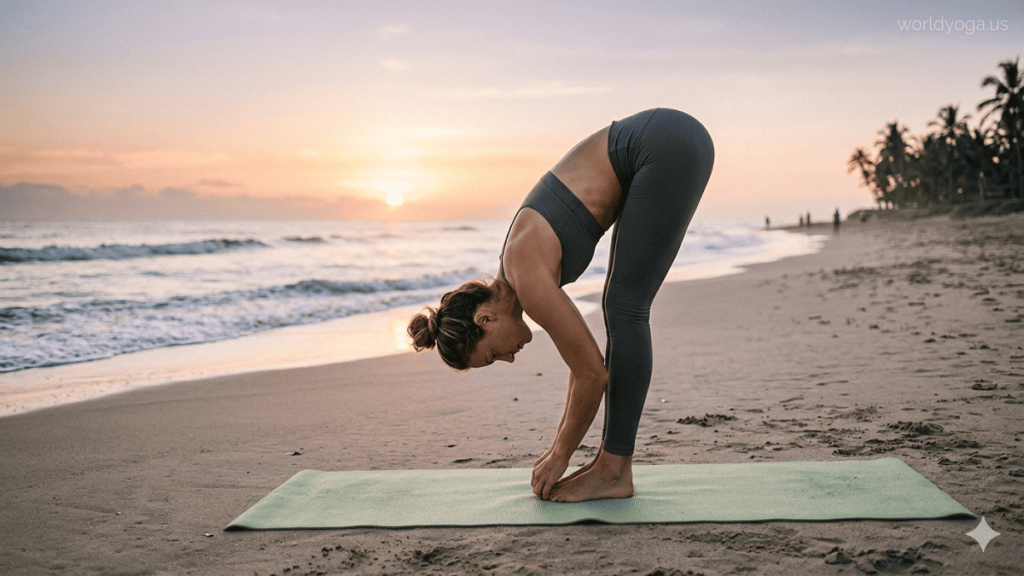
What is the proper alignment in this balancing posture?
Proper alignment is one of the most important aspects of practicing any balancing yoga posture safely and effectively. Correct body positioning not only improves stability and flexibility but also reduces the risk of strain or injury. Whether practicing Big Toes Pose or another standing balance posture, alignment helps distribute body weight evenly while maintaining control, focus, and muscular engagement.
Why Alignment Matters in Yoga
In balancing postures, the body relies on coordinated muscle activation, spinal positioning, and breath control. Poor alignment can place unnecessary stress on the knees, hips, lower back, and ankles. Proper posture, on the other hand, improves balance, strengthens supporting muscles, and allows the pose to feel more stable and controlled.
Yoga experts often emphasize that alignment is more important than achieving maximum flexibility. A well-aligned posture creates long-term benefits and supports safe progression in yoga practice.
For professional yoga alignment guidance, visit Yoga Journal.
Key Elements of Proper Alignment
1. Stable Foot Position
The foundation of every balancing posture begins with the feet. Keep the feet firmly grounded and distribute weight evenly across the toes, heels, and outer edges of the feet. Avoid collapsing inward or leaning excessively to one side.
2. Engage the Core Muscles
Activating the abdominal muscles helps stabilize the spine and maintain balance. A strong core prevents unnecessary pressure on the lower back and supports overall body control during the pose.
3. Lengthen the Spine
Maintain a neutral spine by lifting through the chest and elongating the torso. Avoid rounding the shoulders or collapsing forward. Proper spinal alignment improves posture and breathing efficiency.
4. Relax the Shoulders
Shoulders should remain relaxed and away from the ears. Excess tension in the upper body can disrupt balance and create stiffness in the neck.
5. Align the Hips
Keep the hips level and properly aligned with the legs and torso. Uneven hips can reduce stability and place strain on the knees and lower back.
6. Slight Bend in the Knees
Locking the knees can create joint stress and reduce flexibility. Maintaining a soft bend helps protect the joints while improving balance and muscle engagement.
7. Focus the Gaze
In yoga, a steady focal point, known as drishti, improves concentration and balance. Keeping the eyes fixed on one point can reduce wobbling and enhance body awareness.
Breathing and Body Awareness
Controlled breathing is essential in balancing postures. Deep and steady breaths help relax the body while maintaining focus and stability. Holding the breath often increases tension and makes balancing more difficult.
Mindful awareness of body positioning also helps practitioners identify areas of tightness, weakness, or imbalance during practice.
Common Alignment Mistakes
Some of the most common mistakes include:
- Rounding the back
- Locking the knees
- Shifting weight unevenly
- Tensing the shoulders
- Overarching the lower back
Correcting these habits gradually improves posture, strength, and confidence in balancing poses.
Final Thoughts
Proper alignment is the foundation of a safe and effective balancing posture. By focusing on stability, core engagement, spinal length, and controlled breathing, practitioners can improve balance, flexibility, and overall yoga performance. Consistent practice with mindful alignment leads to better body awareness and long-term physical benefits.
#Big Toes Pose in Pune
Which muscles are engaged during the pose?
Big Toes Pose, or Padangusthasana, is a standing forward bend that activates and stretches multiple muscle groups throughout the body. Although it is commonly viewed as a flexibility-focused yoga posture, the pose also requires muscular engagement to maintain balance, stability, and proper alignment. Understanding which muscles are involved can help practitioners perform the pose more safely and effectively while maximizing its physical benefits.
Primary Muscles Engaged in Big Toes Pose
1. Hamstrings
The hamstrings are one of the primary muscle groups affected during the pose. Located at the back of the thighs, these muscles lengthen significantly as the body folds forward. Tight hamstrings are common among individuals who sit for long periods, making this stretch particularly beneficial for improving lower-body flexibility.
2. Calf Muscles
The calf muscles, including the gastrocnemius and soleus, are also stretched and lightly activated. Maintaining grounded feet and balanced weight distribution engages the lower legs and supports overall stability in the posture.
3. Quadriceps
The quadriceps, located at the front of the thighs, remain active to stabilize the knees and support leg alignment. Gentle engagement of these muscles helps protect the knee joints and encourages deeper hamstring release.
4. Core Muscles
The abdominal muscles play an important stabilizing role throughout the pose. Engaging the core supports the spine, improves balance, and reduces unnecessary strain on the lower back during the forward fold.
5. Spinal Muscles
The erector spinae muscles along the back help maintain spinal length and alignment. Proper activation of these muscles prevents excessive rounding of the back and supports controlled movement into the stretch.
6. Hip Flexors and Glutes
The hips remain actively involved during the fold. The gluteal muscles and hip stabilizers contribute to balance and proper pelvic positioning, while the hip flexors lengthen as the torso moves closer to the legs.
Secondary Muscle Engagement
In addition to the major muscle groups, smaller stabilizing muscles are also activated during the pose, including:
- Ankle stabilizers
- Foot muscles
- Shoulder muscles used to maintain the grip on the toes
- Neck muscles that support relaxed head positioning
These supporting muscles contribute to overall balance and body control.
Importance of Muscle Engagement
Many yoga practitioners assume forward bends are entirely passive stretches, but muscular engagement is essential for safe practice. Active muscles help:
- Protect joints from strain
- Improve posture and alignment
- Increase balance and stability
- Support controlled flexibility development
- Reduce the risk of overstretching
Learning how to balance strength and flexibility is key to practicing yoga effectively.
For detailed anatomy-based yoga education, visit Yoga International.
Tips for Safe Muscle Activation
To engage the muscles properly during Big Toes Pose:
- Keep a slight bend in the knees if flexibility is limited
- Activate the thighs gently without locking the knees
- Engage the abdominal muscles to support the spine
- Focus on lengthening rather than forcing the stretch
- Maintain steady breathing throughout the pose
Final Thoughts
Big Toes Pose engages a wide range of muscles, including the hamstrings, calves, core, spinal muscles, and hips. The combination of stretching and muscular activation makes it an effective posture for improving flexibility, balance, posture, and body awareness. Practicing the pose with mindful alignment and controlled muscle engagement allows practitioners to experience its full physical and mental benefits safely.
#Big Toes Pose in Ahemadabad
What preparatory poses are recommended before practicing it?
Big Toes Pose, or Padangusthasana, is a deep standing forward bend that requires flexibility, balance, and proper spinal alignment. Because the pose stretches the hamstrings, calves, hips, and lower back, preparing the body beforehand is essential for safe and effective practice. Performing preparatory yoga poses helps warm up the muscles, improve mobility, and reduce the risk of strain or injury.
Yoga instructors often recommend gradually opening the hips, lengthening the spine, and activating the core before attempting deeper forward folds like Big Toes Pose. A well-structured warm-up also enhances body awareness and breathing control during practice.
Why Preparatory Poses Matter
Jumping directly into an intense forward bend without preparation can create excessive tension in the hamstrings and lower back. Preparatory poses help:
- Increase blood circulation
- Improve joint mobility
- Activate stabilizing muscles
- Enhance flexibility gradually
- Support safer alignment
These warm-up movements allow the body to enter Big Toes Pose with greater ease and stability.
For professional yoga sequencing guidance, visit Yoga Journal.
Recommended Preparatory Poses
1. Mountain Pose (Tadasana)
Mountain Pose is an excellent starting posture because it improves posture, grounding, and body alignment. It teaches proper weight distribution and core engagement, which are essential for standing forward bends.
2. Cat-Cow Stretch
The Cat-Cow sequence gently mobilizes the spine and warms up the back muscles. This movement helps increase spinal flexibility while encouraging coordinated breathing.
3. Downward-Facing Dog (Adho Mukha Svanasana)
Downward-Facing Dog stretches the hamstrings, calves, shoulders, and spine. It is one of the most effective preparatory poses for improving flexibility before practicing Big Toes Pose.
4. Standing Forward Fold (Uttanasana)
This pose closely resembles Big Toes Pose and helps the body adapt to forward bending gradually. Practitioners can bend the knees slightly to reduce strain while lengthening the spine.
5. Half Forward Fold (Ardha Uttanasana)
Half Forward Fold teaches spinal extension and proper hip hinging. It also strengthens the back muscles while preparing the hamstrings for deeper stretching.
6. Low Lunge
Low Lunge opens the hips and stretches the hip flexors, which can become tight due to prolonged sitting. Increased hip mobility supports better movement in standing forward bends.
7. Seated Forward Bend (Paschimottanasana)
This seated stretch gently lengthens the hamstrings and lower back without requiring balance. It is particularly useful for beginners developing flexibility.
Breathing During Preparation
Controlled breathing is essential during preparatory poses. Deep and steady breaths help relax the muscles, improve oxygen flow, and encourage smoother movement into deeper stretches.
Yoga practitioners should avoid rushing through warm-up poses. Slow transitions and mindful breathing create better body awareness and reduce muscle tension.
Common Mistakes to Avoid
Before practicing Big Toes Pose, avoid:
- Skipping warm-up stretches
- Forcing flexibility too quickly
- Locking the knees
- Rounding the lower back excessively
- Holding the breath during movement
Listening to the body and progressing gradually is key to safe yoga practice.
Final Thoughts
Preparatory poses play an important role in practicing Big Toes Pose safely and effectively. Postures such as Mountain Pose, Downward-Facing Dog, Standing Forward Fold, and Cat-Cow Stretch help warm up the body, improve flexibility, and support proper alignment. Consistent preparation not only enhances performance in yoga poses but also reduces the likelihood of injury and muscle strain.
#Big Toes Pose in Hyderabad
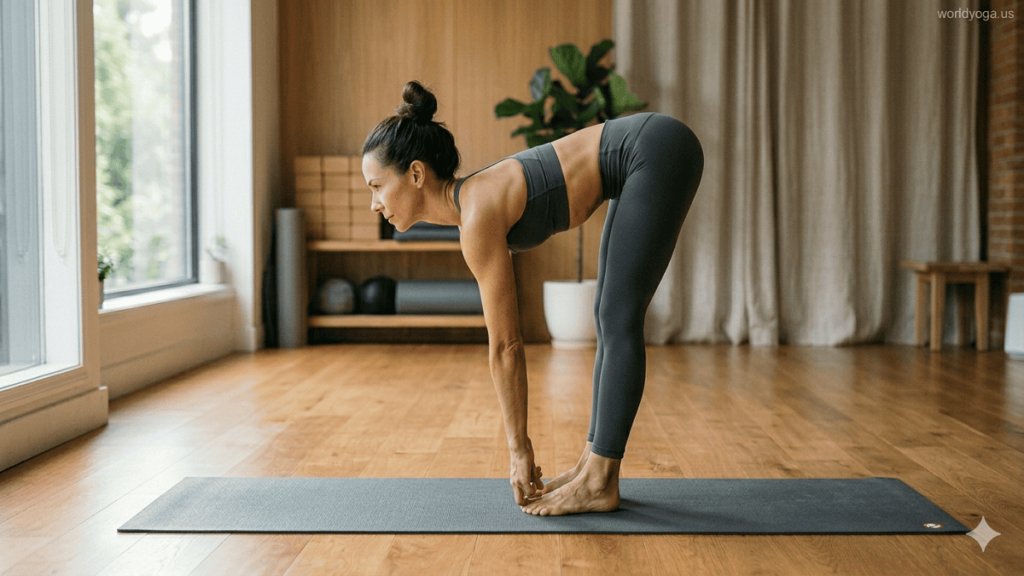
What are the benefits and precautions of Big Toes Pose?
Big Toes Pose, known as Padangusthasana in yoga, is a standing forward bend that stretches the body while improving flexibility, posture, and mental focus. Commonly practiced in Hatha and Ashtanga yoga, this posture targets the hamstrings, calves, hips, and spine while encouraging relaxation and body awareness. Although Big Toes Pose offers several physical and mental benefits, practicing it with proper alignment and awareness is essential to avoid strain or injury.
Benefits of Big Toes Pose
1. Improves Flexibility
One of the primary benefits of Big Toes Pose is increased flexibility in the hamstrings, calves, hips, and lower back. Regular practice gradually lengthens tight muscles and improves overall mobility.
2. Strengthens Postural Awareness
The pose encourages proper spinal alignment and body positioning. By lengthening the spine and engaging the core, practitioners can develop better posture and reduce stiffness caused by prolonged sitting.
3. Relieves Stress and Tension
Forward-bending yoga postures are often associated with calming effects on the nervous system. Big Toes Pose encourages slow breathing and relaxation, which may help reduce stress, anxiety, and mental fatigue.
4. Enhances Blood Circulation
As the torso folds forward, circulation to the upper body and head may improve. Better circulation can contribute to increased energy levels and mental clarity.
5. Supports Digestive Health
The gentle compression of the abdominal area during the forward fold may stimulate digestion and support healthy internal organ function.
6. Improves Balance and Stability
Although primarily a stretching posture, Big Toes Pose also requires muscular engagement and body awareness. Maintaining balance in the pose strengthens stabilizing muscles and improves coordination.
7. Stretches the Spine and Back Muscles
The posture helps release tension in the back and promotes spinal mobility, which can be beneficial for individuals experiencing mild stiffness from sedentary lifestyles.
For professional yoga anatomy and alignment guidance, visit Yoga Journal.
Precautions to Consider
1. Avoid Forcing the Stretch
One of the most common mistakes is pulling too aggressively on the toes to deepen the fold. Overstretching can strain the hamstrings, lower back, or knees.
2. Bend the Knees if Necessary
People with tight hamstrings should keep a slight bend in the knees to reduce pressure on the lower back and avoid muscle strain.
3. Practice Carefully With Back Injuries
Individuals with lower back pain, slipped discs, or spinal injuries should practice under professional guidance or avoid deep forward bends until cleared by a healthcare provider.
4. Be Cautious With High Blood Pressure or Vertigo
Since the head moves below the heart in this posture, people with dizziness, vertigo, or uncontrolled high blood pressure should approach the pose carefully.
5. Avoid Locking the Knees
Hyperextending the knees can place unnecessary stress on the joints. Gentle engagement of the thigh muscles helps maintain safer alignment.
6. Maintain Controlled Breathing
Holding the breath can increase tension in the body. Smooth and steady breathing supports relaxation and safer stretching.
Final Thoughts
Big Toes Pose is a highly beneficial yoga posture that combines flexibility, balance, and mindfulness. When practiced correctly, it can improve posture, reduce tension, support spinal mobility, and enhance overall body awareness. However, proper alignment, gradual progression, and mindful breathing are essential for safe practice. Beginners should focus on comfort and control rather than forcing flexibility too quickly.
#Big Toes Pose in Kolkata
Case Study of Big Toes Pose
Big Toes Pose, or Padangusthasana, is a widely practiced standing forward bend in yoga that focuses on flexibility, balance, posture, and mindfulness. This pose is commonly included in Hatha and Ashtanga yoga sequences because of its ability to stretch the hamstrings, calves, hips, and spine while also encouraging mental relaxation. The following case study explores how consistent practice of Big Toes Pose contributed to improved flexibility, posture, and stress management in a beginner yoga practitioner.
Background of the Practitioner
The subject of this case study was a 35-year-old office professional who experienced chronic lower back stiffness, tight hamstrings, and poor posture due to prolonged sitting and limited physical activity. The individual also reported mild stress and fatigue caused by long working hours and lack of regular exercise.
After consulting a certified yoga instructor, the practitioner began a structured yoga routine that included Big Toes Pose three to four times per week over a period of three months.
For information about yoga fundamentals and posture alignment, visit Yoga Journal.
Initial Challenges
During the first few weeks of practice, the practitioner experienced:
- Tightness in the hamstrings
- Difficulty maintaining a straight spine
- Mild discomfort in the lower back
- Limited flexibility while folding forward
- Trouble balancing body weight evenly
To address these issues, the instructor recommended modifications such as:
- Slightly bending the knees
- Using yoga blocks for support
- Focusing on controlled breathing
- Practicing preparatory stretches before the pose
The practitioner was also encouraged to avoid forcing flexibility and instead focus on gradual improvement.
Practice Routine
The yoga program included:
- Cat-Cow Stretch for spinal mobility
- Downward-Facing Dog for hamstring preparation
- Standing Forward Fold for flexibility development
- Big Toes Pose held for 5–8 breaths
- Relaxation breathing exercises after practice
Sessions lasted approximately 30 minutes and emphasized proper alignment and breath awareness.
Observed Improvements
After three months of consistent practice, several positive changes were observed.
Improved Flexibility
The practitioner gained noticeable flexibility in the hamstrings, calves, and hips. Forward folding became easier, and knee bending was needed less frequently.
Reduced Lower Back Stiffness
Regular spinal stretching and core engagement helped reduce lower back discomfort caused by prolonged sitting.
Better Posture
Improved spinal awareness and core stability contributed to better posture during daily activities, particularly while sitting at work.
Enhanced Stress Management
The practitioner reported feeling calmer and more mentally focused after yoga sessions. Controlled breathing during Big Toes Pose helped reduce stress and physical tension.
Increased Body Awareness
The pose improved balance, alignment awareness, and mindful movement throughout the yoga practice.
Key Learning Outcomes
This case study highlights several important lessons:
- Consistency is more important than intensity in yoga practice.
- Proper warm-up and alignment reduce the risk of injury.
- Modifications make yoga accessible for beginners.
- Breathing techniques significantly improve relaxation and posture control.
Precautions Followed
Throughout the program, the practitioner avoided:
- Overstretching the hamstrings
- Locking the knees
- Pulling forcefully on the toes
- Holding the breath during the stretch
These precautions helped maintain safe and sustainable progress.
Conclusion
This case study demonstrates that regular practice of Big Toes Pose can improve flexibility, posture, spinal mobility, and stress management when performed correctly. With proper guidance, gradual progression, and mindful breathing, the pose can benefit both beginners and experienced yoga practitioners. Big Toes Pose remains an effective yoga posture for promoting physical wellness and mental relaxation in modern lifestyles.
#Big Toes Pose in Banglore
White Paper of Big Toes Pose
Abstract
Big Toes Pose, traditionally known as Padangusthasana, is a standing forward bend widely practiced in yoga for enhancing flexibility, posture, balance, and mental focus. Commonly included in Hatha and Ashtanga yoga systems, the posture emphasizes spinal extension, hamstring stretching, and mindful breathing. This white paper examines the anatomical, physiological, and psychological impacts of Big Toes Pose while discussing its practical applications, benefits, safety considerations, and relevance in modern wellness programs.
Introduction
Yoga has become increasingly recognized as a holistic practice supporting physical fitness, stress management, and overall well-being. Among the many standing postures practiced in yoga, Big Toes Pose remains one of the most effective for improving lower-body flexibility and spinal mobility.
The posture involves a forward fold from a standing position while holding the big toes with the fingers. Although simple in appearance, the pose requires proper alignment, muscular engagement, and controlled breathing to maximize its effectiveness safely.
Additional yoga research and educational resources are available at Yoga Journal.
Anatomical and Physiological Impact
Muscular Engagement
Big Toes Pose activates and stretches several key muscle groups, including:
- Hamstrings
- Calves
- Quadriceps
- Core muscles
- Spinal extensors
- Hip stabilizers
The coordinated engagement of these muscles supports flexibility, balance, and postural stability.
Spinal Mobility and Posture
The pose encourages spinal lengthening and decompression. Proper alignment may help reduce muscular tension caused by prolonged sitting and sedentary behavior. Individuals with office-based work routines often benefit from regular forward-bending postures that promote improved posture and mobility.
Circulation and Relaxation
Forward bends are commonly associated with relaxation responses within the nervous system. Controlled breathing during the posture may support stress reduction and improved mental focus. Increased blood circulation to the upper body and head may also contribute to enhanced concentration and relaxation.
Benefits of Big Toes Pose
1. Flexibility Enhancement
Regular practice improves flexibility in the hamstrings, hips, calves, and lower back.
2. Improved Postural Awareness
The posture strengthens awareness of spinal alignment and body mechanics.
3. Stress Reduction
Mindful breathing and forward folding techniques may help calm the nervous system and reduce anxiety.
4. Better Balance and Coordination
Maintaining proper body positioning develops balance and muscular control.
5. Support for Digestive Function
Gentle abdominal compression during the fold may stimulate digestive processes.
Safety Considerations
Despite its benefits, Big Toes Pose requires careful practice, especially for beginners or individuals with existing physical limitations.
Recommended Precautions
- Avoid forcing flexibility
- Maintain a slight bend in the knees if needed
- Engage the core to protect the lower back
- Practice gradual progression
- Avoid jerking movements during the fold
Contraindications
Individuals with the following conditions should seek professional guidance before attempting the posture:
- Severe lower back injuries
- Hamstring tears
- Vertigo or balance disorders
- Uncontrolled high blood pressure
- Recent knee injuries
Professional posture alignment guidance can be found at Yoga International.
Applications in Wellness Programs
Big Toes Pose is increasingly incorporated into:
- Corporate wellness initiatives
- Physical therapy support programs
- Athletic recovery routines
- Flexibility training systems
- Stress management workshops
Its accessibility and adaptability make it suitable for practitioners across different age groups and experience levels.
Best Practices for Instruction
Yoga instructors should emphasize:
- Proper warm-up sequences
- Controlled breathing techniques
- Safe alignment principles
- Individual flexibility limitations
- Progressive practice methods
Using props such as yoga blocks can improve accessibility for beginners and individuals with reduced mobility.
Conclusion
Big Toes Pose is a valuable yoga posture that combines flexibility training, spinal mobility, balance development, and stress reduction. Its benefits extend beyond physical conditioning by supporting mindfulness and body awareness. When practiced with proper alignment, controlled breathing, and gradual progression, Padangusthasana can serve as an effective component of both personal fitness routines and structured wellness programs.
#Big Toes Pose in Delhi
Industry Application of Big Toes Pose
Big Toes Pose, known in yoga as Padangusthasana, is more than a traditional flexibility exercise. In recent years, this standing forward bend has found applications across multiple industries focused on health, wellness, fitness, rehabilitation, and workplace productivity. As organizations increasingly prioritize physical and mental well-being, yoga postures such as Big Toes Pose are being integrated into structured wellness programs, rehabilitation systems, and performance enhancement strategies.
This article explores the practical industry applications of Big Toes Pose and its growing relevance in modern professional environments.
Overview of Big Toes Pose
Big Toes Pose is a standing forward fold where practitioners bend from the hips and hold their big toes while maintaining spinal length and controlled breathing. The pose primarily stretches the hamstrings, calves, hips, and lower back while improving posture, balance, and flexibility.
Due to its accessibility and adaptability, the pose is suitable for beginners, office workers, athletes, and rehabilitation patients alike.
For professional yoga resources and instructional guidance, visit Yoga Journal.
Applications in the Health and Wellness Industry
Corporate Wellness Programs
Many organizations now include yoga sessions as part of employee wellness initiatives. Big Toes Pose is frequently incorporated into workplace yoga routines because it helps:
- Reduce muscular stiffness from prolonged sitting
- Improve posture and spinal mobility
- Relieve stress and mental fatigue
- Enhance focus and relaxation
Office professionals who spend long hours at desks often experience tight hamstrings and lower back discomfort. Regular practice of forward-bending postures can support improved physical comfort and workplace productivity.
Fitness and Gym Industry
Fitness centers and personal trainers increasingly combine yoga with strength and conditioning programs. Big Toes Pose is commonly used:
- As a post-workout stretching exercise
- In flexibility training sessions
- During mobility-focused fitness routines
- As part of warm-up and cool-down sequences
The pose supports recovery by lengthening tight muscles and improving circulation after high-intensity exercise.
Applications in Physical Therapy and Rehabilitation
Rehabilitation Clinics
Physical therapists may integrate modified yoga stretches into rehabilitation plans for posture correction and mobility improvement. Big Toes Pose can help:
- Improve hamstring flexibility
- Support spinal mobility
- Enhance body awareness
- Reduce muscular tension
However, rehabilitation use requires professional supervision and appropriate modifications, especially for individuals recovering from injuries.
Sports Recovery Programs
Athletes often experience muscle tightness and reduced mobility due to repetitive training. Sports therapists and recovery specialists use yoga-based stretching techniques, including Big Toes Pose, to improve recovery and reduce injury risk.
The pose is particularly beneficial for runners, cyclists, and athletes involved in lower-body intensive sports.
Applications in the Mental Health and Stress Management Sector
Yoga has become increasingly recognized for its role in stress reduction and mindfulness. Wellness centers, meditation studios, and mental health programs use calming yoga postures like Big Toes Pose to encourage:
- Relaxation
- Breath awareness
- Nervous system regulation
- Mental clarity
Forward folds are commonly associated with calming effects that may help reduce stress and anxiety levels.
Additional research and yoga therapy resources are available at International Association of Yoga Therapists.
Applications in the Education Sector
Schools, colleges, and training institutes are introducing yoga programs to support student well-being and concentration. Big Toes Pose is often included in beginner yoga sequences because it is simple, accessible, and effective for improving flexibility and focus.
Educational institutions use yoga practices to encourage:
- Better posture
- Reduced stress
- Improved concentration
- Physical activity among students
Safety and Professional Considerations
While Big Toes Pose offers broad applications, instructors and organizations must prioritize:
- Proper alignment training
- Gradual progression
- Injury prevention
- Individual flexibility limitations
- Qualified instruction
People with severe back injuries, vertigo, or hamstring issues should practice cautiously and under professional guidance.
Conclusion
Big Toes Pose has evolved beyond traditional yoga studios and now plays a valuable role across wellness, fitness, rehabilitation, corporate, and educational industries. Its ability to improve flexibility, posture, stress management, and body awareness makes it a versatile posture suitable for modern health-focused programs. As industries continue emphasizing preventive wellness and holistic health, yoga practices like Padangusthasana are expected to remain an important component of integrated well-being strategies.
#Big Toes Pose in Mumbai
Ask FAQs
What is Big Toes Pose in yoga?
Big Toes Pose, also called Padangusthasana, is a standing forward-bending yoga posture where practitioners bend from the hips and hold their big toes with their fingers. The pose helps improve flexibility, posture, balance, and spinal mobility.
What are the main benefits of Big Toes Pose?
Big Toes Pose helps stretch the hamstrings, calves, hips, and lower back while improving posture and flexibility. It may also reduce stress, improve body awareness, and support relaxation through controlled breathing.
Can beginners practice Big Toes Pose?
Yes, beginners can practice Big Toes Pose with modifications. Slightly bending the knees, using yoga blocks, and avoiding overstretching can make the pose safer and more comfortable for people with limited flexibility.
Which muscles are targeted during the pose?
The pose primarily stretches and engages the hamstrings, calves, quadriceps, core muscles, spinal muscles, and hip stabilizers. These muscle groups work together to improve flexibility, balance, and posture.
Are there any precautions to consider before practicing Big Toes Pose?
Individuals with severe lower back pain, hamstring injuries, vertigo, or uncontrolled high blood pressure should practice cautiously or seek professional guidance before attempting the pose. Proper alignment and gradual progression are important to avoid strain or injury.
Table of Contents
Disclaimer:
The information provided in this article is for educational and informational purposes only and should not be considered medical or professional health advice. Always consult a qualified healthcare provider or certified yoga instructor before starting any new exercise or yoga practice, especially if you have existing health conditions or injuries.