Upward Extended Legs Pose
Upward Extended Legs Pose is a beneficial yoga posture that focuses on strengthening the core, improving leg flexibility, and enhancing overall body balance. This pose is commonly practiced in yoga routines designed to improve circulation, posture, and muscular endurance. By lifting and extending the legs upward while maintaining proper alignment, practitioners engage multiple muscle groups and develop better body control and stability.
One of the primary benefits of Upward Extended Legs Pose is its ability to strengthen the abdominal muscles. The posture requires consistent engagement of the core to support the legs and stabilize the spine. This helps improve abdominal endurance, enhances posture, and reduces strain on the lower back. A stronger core also contributes to better balance and functional movement in daily activities.
The pose is also highly effective for improving flexibility in the hamstrings, calves, and hips. As the legs extend upward, the muscles along the back of the legs experience a gentle stretch, helping reduce tightness and improve mobility. Increased flexibility can support better movement patterns, lower the risk of injury, and reduce muscular stiffness caused by prolonged sitting or inactivity.
Another important advantage of this posture is improved blood circulation. Elevating the legs above heart level encourages healthy blood flow and may help reduce fatigue or swelling in the legs. Many yoga practitioners use this pose as a restorative posture to relax the lower body and relieve tension after long periods of standing or physical activity.
Upward Extended Legs Pose also supports spinal alignment and posture awareness. Maintaining a neutral spine while lifting the legs encourages proper body positioning and strengthens the muscles that support the back. Regular practice can contribute to improved posture and reduced discomfort associated with poor sitting habits or weak core muscles.
In addition to physical benefits, the posture promotes relaxation and mental focus. Controlled breathing and mindful movement help calm the nervous system and improve concentration during practice. Like many yoga poses, it encourages a stronger connection between the body and mind, which may help reduce stress and improve emotional balance.
To practice Upward Extended Legs Pose correctly, begin by lying flat on the back with the arms resting beside the body or placed under the hips for support. Slowly lift both legs upward while keeping them straight and aligned. The lower back should remain comfortably supported against the floor, and breathing should stay steady throughout the pose. Beginners may slightly bend the knees if flexibility is limited.
Although the posture is generally safe for most individuals, people with lower back injuries, neck problems, or severe hamstring tightness should practice with caution and seek guidance from a qualified yoga instructor if needed. Proper alignment and gradual progression are essential for avoiding strain.
Incorporating Upward Extended Legs Pose into a regular yoga routine can improve strength, flexibility, circulation, and relaxation. Its combination of core engagement and restorative benefits makes it a valuable posture for individuals seeking balanced physical fitness and overall well-being.
#Upward Extended Legs Pose in India
How is Upward Extended Legs Pose performed correctly?
Upward Extended Legs Pose is a simple yet effective yoga posture that strengthens the core, improves flexibility, and supports healthy circulation. Proper technique and alignment are essential to gain the full benefits of the pose while preventing unnecessary strain on the lower back or neck. When practiced with controlled movement and mindful breathing, this posture can become a valuable part of both beginner and advanced yoga routines.
To begin the pose, lie flat on your back on a comfortable yoga mat. Keep your spine in a neutral position and relax your shoulders and neck. Place your arms alongside the body with the palms facing downward. Some practitioners may choose to place their hands slightly under the hips for additional lower back support, especially during the early stages of practice.
Once settled, engage the abdominal muscles gently to stabilize the core. Slowly lift both legs together toward the ceiling while keeping them straight and aligned. The legs should ideally form a 90-degree angle with the floor. Keep the feet active and the toes pointing upward to maintain proper muscle engagement throughout the posture.
The lower back should remain comfortably connected to the mat during the pose. Avoid allowing the lower back to arch excessively, as this can create unnecessary pressure on the lumbar spine. Activating the core muscles helps support spinal alignment and improves overall stability. If maintaining straight legs becomes difficult, beginners may slightly bend the knees to reduce tension and maintain proper form.
Breathing plays an important role while holding the posture. Slow and controlled breathing helps maintain relaxation and improves concentration. Inhale deeply through the nose and exhale steadily while keeping the shoulders and facial muscles relaxed. Holding the breath should be avoided, as steady breathing enhances endurance and body awareness.
While in the pose, the neck and shoulders should remain relaxed against the floor. Tension in these areas may indicate excessive strain or poor alignment. The focus should remain on engaging the abdominal muscles rather than forcing the legs upward with unnecessary effort.
For beginners, holding the posture for 15 to 30 seconds may be sufficient. As strength and flexibility improve, the duration can gradually increase. Advanced practitioners may combine the pose with controlled leg movements or breathing techniques to deepen core activation and improve endurance.
Exiting the pose should also be done carefully. Slowly lower the legs back toward the floor using controlled movement rather than dropping them suddenly. Maintaining abdominal engagement during the descent helps protect the lower back and improves muscle control.
Practicing Upward Extended Legs Pose on an empty stomach or several hours after a meal is generally recommended for greater comfort. Individuals with lower back injuries, severe hamstring tightness, or neck problems should consult a qualified yoga instructor or healthcare professional before attempting the pose.
When performed correctly and consistently, Upward Extended Legs Pose can improve core strength, flexibility, circulation, and posture. Its combination of simplicity and effectiveness makes it a valuable addition to yoga, fitness, and wellness routines focused on balanced physical health and mindful movement.
#Upward Extended Legs Pose in Maharashtra
What is the proper alignment in this leg-lifting posture?
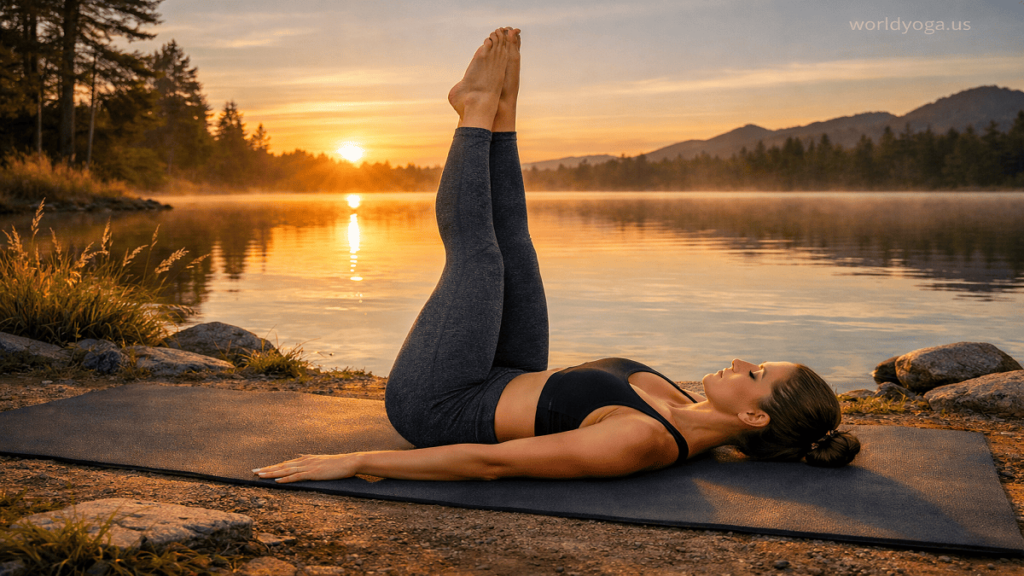
Proper alignment is essential when practicing Upward Extended Legs Pose to ensure safety, maximize effectiveness, and prevent unnecessary strain on the body. This leg-lifting posture primarily targets the abdominal muscles, legs, and lower back while also improving circulation and body control. Maintaining correct alignment throughout the pose helps practitioners engage the right muscle groups efficiently and supports long-term physical benefits.
The posture begins with the body lying flat on the back on a yoga mat or comfortable surface. The spine should remain neutral and evenly supported against the floor. The head, neck, and shoulders must stay relaxed without excessive tension. The chin should remain in a natural position rather than tilting upward or pressing too tightly toward the chest. Keeping the neck long and relaxed helps maintain proper upper-body alignment.
Arm placement is important for stability and support. The arms are typically placed alongside the body with the palms facing downward. This positioning helps create balance and grounding during the leg lift. Some practitioners may place their hands slightly beneath the hips for additional lower back support, especially if they experience discomfort or lack core strength.
The legs should remain together and fully extended during the posture whenever possible. The knees should stay straight but not locked, allowing the muscles to remain active without creating excessive tension in the joints. The feet should remain aligned with the legs, and the toes may point upward or remain gently flexed to maintain engagement in the lower body.
Core activation is one of the most important aspects of proper alignment in this posture. The abdominal muscles should remain engaged throughout the movement to stabilize the pelvis and support the lower back. Without core engagement, the lower spine may arch excessively, increasing the risk of discomfort or strain. Drawing the navel gently toward the spine can help maintain proper abdominal support.
The lower back should remain comfortably connected to the floor. Excessive lifting or arching of the lumbar spine may indicate weak core engagement or legs raised beyond the body’s current capacity. If maintaining spinal stability becomes difficult, practitioners can slightly bend the knees or reduce the angle of the leg lift until strength improves.
Breathing also contributes to proper alignment and stability. Slow, controlled breathing helps relax the body and encourages smoother muscular engagement. Holding the breath may increase tension and reduce overall body awareness during the pose.
The shoulders should stay broad and relaxed against the mat, avoiding unnecessary tightening in the upper body. Tension in the neck or shoulders often suggests that too much effort is being placed outside the core muscles. The focus should remain on controlled abdominal support rather than forcing the posture.
Proper alignment in Upward Extended Legs Pose allows practitioners to safely strengthen the core, improve leg flexibility, and support healthy posture. Consistent attention to body positioning and breathing helps maximize the benefits of the pose while reducing the risk of strain or injury. With regular and mindful practice, this posture can become an effective part of a balanced yoga and wellness routine.
#Upward Extended Legs Pose in Ahemadabad
Which muscles are engaged during the pose?
Upward Extended Legs Pose is an effective yoga posture that activates several major muscle groups throughout the body. Although the pose may appear simple, maintaining lifted and extended legs with proper alignment requires significant muscular engagement, especially in the abdominal region and lower body. Understanding which muscles are involved during the posture helps practitioners improve body awareness, perform the pose correctly, and maximize its physical benefits.
The primary muscles engaged during Upward Extended Legs Pose are the abdominal muscles. The rectus abdominis, commonly known as the “six-pack” muscles, works continuously to stabilize the torso and support the lifted legs. This muscle group plays a major role in preventing excessive arching of the lower back and maintaining balance throughout the posture.
The transverse abdominis, which is the deepest layer of the abdominal muscles, is also strongly activated. This muscle acts as a natural stabilizer for the spine and pelvis. Engaging the transverse abdominis helps maintain proper posture, improves core control, and protects the lower back from strain during the leg lift.
The oblique muscles located along the sides of the abdomen assist in stabilizing the torso and maintaining body alignment. Although the posture does not involve twisting movements, the obliques contribute to overall core support and balance during the hold.
The hip flexor muscles are heavily involved in lifting and holding the legs upward. The iliopsoas, one of the main hip flexor muscles, works alongside the rectus femoris to maintain leg elevation. These muscles are essential for controlling the upward movement of the legs and supporting endurance during the pose.
The quadriceps, located at the front of the thighs, remain active to keep the knees straight and maintain leg extension. Engaging the quadriceps also helps improve muscular endurance and lower-body stability. The inner thigh muscles, or adductors, assist in keeping the legs together and aligned during the posture.
The muscles of the lower back, particularly the erector spinae group, provide additional spinal support. These muscles help maintain a stable and neutral spine while working together with the abdominal muscles to support posture and balance. Proper coordination between the core and lower back muscles is important for avoiding unnecessary strain on the lumbar region.
The calf muscles and muscles around the ankles also contribute to maintaining leg positioning and foot engagement. Whether the toes are pointed or flexed, these smaller muscle groups help stabilize the lower legs and improve overall muscular control.
Although the upper body remains relatively still, the shoulder and arm muscles play a supportive role by grounding the body against the floor. Pressing the arms gently into the mat helps create stability and reduces excess movement during the pose.
Regular practice of Upward Extended Legs Pose strengthens the core, improves lower-body endurance, enhances flexibility, and promotes better posture. By engaging multiple muscle groups simultaneously, the pose supports functional strength and balanced body conditioning.
Overall, this posture is more than a simple leg raise. It is a comprehensive core and stability exercise that activates the abdominal muscles, hip flexors, thighs, lower back, and supporting muscles throughout the body, making it a valuable addition to yoga and fitness routines.
#Upward Extended Legs Pose in Hyderabad
What preparatory poses are recommended before practicing it?
Preparing the body before practicing Upward Extended Legs Pose is important for improving flexibility, activating the core muscles, and reducing the risk of strain or discomfort. Since this posture requires abdominal strength, hamstring flexibility, and lower back stability, performing suitable preparatory poses can help the body move safely and efficiently into the posture. Proper warm-up movements also improve circulation and enhance overall body awareness during yoga practice.
One of the most effective preparatory poses is Apanasana, or Knees-to-Chest Pose. This gentle posture helps release tension in the lower back and relax the hips. By softly compressing the abdominal area, it also helps awaken the core muscles and prepares the spine for leg-lifting movements. Practicing Apanasana before Upward Extended Legs Pose can improve comfort and mobility, especially for beginners.
Supta Padangusthasana, commonly known as Reclining Hand-to-Big-Toe Pose, is another highly recommended preparation posture. This pose stretches the hamstrings, calves, and hips while improving leg flexibility and alignment. Since tight hamstrings can make leg-lifting postures more challenging, practicing this stretch beforehand helps improve range of motion and reduces tension in the back of the legs.
Cat-Cow Pose, or Marjaryasana-Bitilasana, is beneficial for warming up the spine and improving spinal mobility. The flowing movement between arching and rounding the back increases circulation around the spinal muscles and encourages better coordination between movement and breathing. This preparation helps stabilize the spine during the leg-lifting posture.
Bridge Pose, or Setu Bandhasana, is also useful before practicing Upward Extended Legs Pose. This posture strengthens the lower back, glutes, and abdominal muscles while gently opening the hips and chest. Activating these supportive muscle groups helps improve spinal stability and body control during the main posture.
Boat Pose, or Navasana, is especially effective for activating the core muscles. Since Upward Extended Legs Pose relies heavily on abdominal strength, practicing Boat Pose beforehand helps awaken the rectus abdominis, hip flexors, and stabilizing muscles of the torso. Even holding a modified version of Boat Pose for a short period can prepare the body for stronger core engagement.
Leg raises performed slowly while lying on the back can also serve as a practical warm-up exercise. Controlled leg lifts activate the lower abdominal muscles and help practitioners become familiar with maintaining spinal alignment during leg elevation.
Gentle hamstring stretches and seated forward bends may also be included in the preparation sequence. These poses help improve flexibility in the legs and reduce tightness that could interfere with proper posture alignment.
Breathing exercises are equally important before beginning the pose. Slow diaphragmatic breathing or mindful deep breathing helps calm the mind, improve concentration, and support smoother muscular engagement throughout the practice.
Preparing the body with these foundational poses allows practitioners to approach Upward Extended Legs Pose with greater strength, flexibility, and stability. A proper warm-up routine not only improves performance but also helps reduce the risk of lower back strain and muscular tension. With consistent preparation and mindful practice, the posture can become more comfortable, effective, and beneficial for overall physical wellness.
#Upward Extended Legs Pose in Delhi
What are the benefits and precautions of Upward Extended Legs Pose?
Upward Extended Legs Pose is a beneficial yoga posture that focuses on strengthening the core, improving leg flexibility, and enhancing circulation. This pose is commonly practiced in yoga and fitness routines because it combines muscular engagement with restorative effects for the lower body. When performed correctly, it can contribute to better posture, stability, and overall physical wellness. However, like all yoga postures, proper precautions are important to ensure safe and effective practice.
One of the major benefits of Upward Extended Legs Pose is improved core strength. The posture requires continuous engagement of the abdominal muscles to lift and support the legs while maintaining spinal alignment. Strengthening the core helps improve balance, posture, and body stability. A strong core also reduces unnecessary strain on the lower back and supports better movement in daily activities.
The pose is also effective for improving flexibility in the hamstrings, calves, and hips. Extending the legs upward creates a gentle stretch along the back of the legs, helping reduce muscular tightness and improve mobility. Increased flexibility may support better posture, smoother movement patterns, and a reduced risk of muscle strain during physical activity.
Another important benefit is enhanced blood circulation. Elevating the legs above heart level encourages healthy blood flow and may help reduce fatigue, swelling, or heaviness in the legs. This makes the posture particularly useful for individuals who spend long hours standing or sitting during the day.
Upward Extended Legs Pose also supports spinal alignment and lower back stability. Maintaining a neutral spine during the posture strengthens the muscles that support the back and pelvis. Regular practice may help improve posture awareness and reduce discomfort associated with poor sitting habits or weak abdominal muscles.
In addition to physical advantages, the pose promotes relaxation and mental calmness. Slow breathing combined with controlled movement helps relax the nervous system and improve concentration. Many practitioners use the posture as part of a restorative yoga routine to reduce stress and improve body awareness.
Despite its many benefits, certain precautions should be considered before practicing Upward Extended Legs Pose. Individuals with lower back injuries, severe hamstring tightness, neck problems, or hip conditions should practice carefully and seek professional guidance if needed. Improper alignment or forcing the legs upward without adequate core strength may place unnecessary strain on the lumbar spine.
Beginners should avoid lifting the legs too high if it causes the lower back to arch excessively. Slightly bending the knees can help reduce tension and maintain safer alignment while developing strength gradually. Using a folded blanket or support under the hips may also improve comfort during practice.
Breathing should remain steady and relaxed throughout the posture. Holding the breath or creating excessive tension in the neck and shoulders may reduce the effectiveness of the pose and increase muscular strain.
Pregnant individuals or those recovering from abdominal surgery should consult a healthcare professional before attempting the posture. Practicing on an empty stomach or several hours after eating is generally recommended for greater comfort.
When practiced mindfully and with proper alignment, Upward Extended Legs Pose can improve strength, flexibility, circulation, and relaxation. Its combination of restorative and strengthening benefits makes it a valuable addition to yoga, wellness, and fitness routines focused on overall health and body balance.
#Upward Extended Legs Pose in Pune
Case Study of Upward Extended Legs Pose
Upward Extended Legs Pose is a yoga posture commonly practiced to strengthen the core, improve flexibility, and enhance circulation. This posture is especially beneficial for individuals experiencing muscular stiffness, poor posture, or reduced physical activity caused by modern sedentary lifestyles. The following case study demonstrates how regular practice of Upward Extended Legs Pose contributed to noticeable improvements in physical wellness, posture, and stress management for an individual working in a desk-based profession.
The subject of this case study was a 32-year-old marketing executive who spent approximately nine hours daily sitting in front of a computer. Over time, the individual developed lower back discomfort, tight hamstrings, poor posture, and frequent leg fatigue. Due to limited physical activity and prolonged sitting, the person also experienced reduced flexibility and mild stress-related fatigue. Although no major medical conditions were reported, the individual struggled with muscular tension and low energy levels throughout the workday.
To improve physical health and mobility, the individual joined a structured yoga and wellness program guided by a certified instructor. Upward Extended Legs Pose was introduced as part of a beginner-friendly yoga sequence focused on core strengthening, flexibility, and circulation improvement. The posture was initially practiced with slightly bent knees to reduce tension in the hamstrings and lower back.
The yoga sessions were performed five times per week for approximately 30 to 40 minutes each session. In addition to Upward Extended Legs Pose, the program included warm-up movements such as Cat-Cow Pose, Reclining Hand-to-Big-Toe Pose, and gentle hamstring stretches. Controlled breathing exercises were also incorporated to improve concentration and relaxation.
During the first two weeks, the practitioner experienced mild difficulty maintaining leg elevation and proper core engagement. Tightness in the hamstrings limited full leg extension initially. However, gradual improvement in muscular control and flexibility was observed through consistent practice and guided alignment corrections.
After six weeks of regular practice, significant physical changes became noticeable. The subject reported improved abdominal strength, better posture, and reduced lower back discomfort during long working hours. Hamstring flexibility improved considerably, allowing the legs to remain straighter and more stable during the posture. The practitioner also experienced less fatigue and heaviness in the legs, likely due to improved circulation from regular leg elevation.
Mental and emotional benefits were observed as well. The breathing techniques practiced during the sessions helped reduce stress and improve relaxation after demanding workdays. The individual reported increased focus, improved body awareness, and better sleep quality over time.
The case study also highlighted the importance of proper technique and gradual progression. Practicing under professional supervision ensured that the posture was performed safely without excessive strain on the lower back or neck. Modifications such as bent knees and additional support under the hips allowed the practitioner to develop strength and flexibility progressively.
This case study demonstrates that Upward Extended Legs Pose can be an effective addition to wellness routines aimed at improving posture, core strength, circulation, and flexibility. With consistent and mindful practice, the posture supported both physical and mental well-being, helping the individual achieve greater comfort, mobility, and overall lifestyle balance.
#Upward Extended Legs Pose in Banglore
White Paper of Upward Extended Legs Pose
Introduction
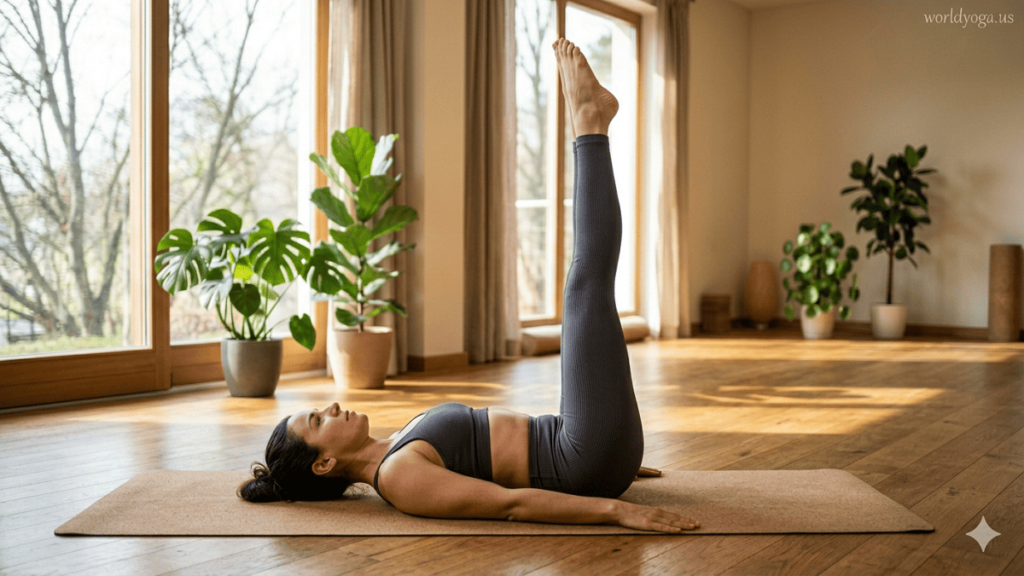
Upward Extended Legs Pose is a foundational yoga posture designed to strengthen the abdominal muscles, improve leg flexibility, and support healthy circulation. The pose involves lifting and extending the legs vertically while maintaining spinal alignment and core engagement. Although simple in appearance, the posture requires muscular control, stability, and mindful breathing to perform effectively.
As sedentary lifestyles, prolonged sitting, and stress-related physical issues become increasingly common, yoga-based wellness practices are gaining importance in preventive healthcare and fitness programs. Upward Extended Legs Pose is widely practiced in yoga, rehabilitation, and wellness environments because of its ability to improve physical conditioning while promoting relaxation and body awareness.
This white paper examines the physiological, functional, and wellness-related applications of Upward Extended Legs Pose, including its benefits, safety considerations, and role in modern health and fitness routines.
Overview of the Posture
Upward Extended Legs Pose is typically performed while lying flat on the back with the legs raised toward the ceiling. The posture focuses on controlled abdominal engagement, leg extension, and spinal support. Depending on the practitioner’s flexibility and strength, the pose may be practiced in basic or modified forms.
The posture is commonly included in routines focused on:
- Core strengthening
- Flexibility improvement
- Postural correction
- Circulation enhancement
- Restorative yoga practices
Due to its adaptable nature, the pose is suitable for beginners as well as advanced practitioners when performed with correct alignment.
Physiological Benefits
Core Muscle Activation
One of the primary benefits of Upward Extended Legs Pose is the activation of the abdominal muscles, including the rectus abdominis, transverse abdominis, and obliques. Continuous engagement of these muscles improves core stability, balance, and spinal support. Strong abdominal muscles also contribute to improved posture and reduced lower back strain.
Improved Flexibility
The posture provides a gentle stretch to the hamstrings, calves, and hips. Regular practice may improve flexibility and mobility in the lower body, reducing muscular tightness associated with prolonged sitting and physical inactivity.
Enhanced Circulation
Elevating the legs above heart level encourages healthy blood circulation and venous return. This may help reduce fatigue, swelling, and heaviness in the lower limbs. Improved circulation also supports muscular recovery and relaxation.
Spinal Support and Posture
Maintaining proper alignment during the posture strengthens the muscles that support the pelvis and spine. This can improve postural awareness and reduce discomfort linked to poor sitting habits and sedentary work environments.
Mental and Wellness Benefits
Upward Extended Legs Pose encourages controlled breathing and mindful body awareness, both of which contribute to mental relaxation and stress reduction. The calming nature of the posture may help improve focus, emotional balance, and overall well-being when practiced consistently.
The pose is often incorporated into restorative yoga routines due to its relaxing effect on the nervous system and lower body.
Risks and Precautions
Although generally considered safe, certain precautions should be followed:
- Individuals with lower back injuries, neck problems, or severe hamstring tightness should practice cautiously.
- Excessive arching of the lower back should be avoided to prevent spinal strain.
- Beginners may bend the knees slightly to maintain safe alignment.
- Pregnant individuals and those recovering from abdominal surgery should seek professional guidance before practice.
Proper instruction and gradual progression are important for preventing injury and ensuring correct muscle engagement.
Conclusion
Upward Extended Legs Pose is an effective yoga posture that supports core strength, flexibility, circulation, and postural stability. Its combination of strengthening and restorative benefits makes it valuable for modern fitness, wellness, and preventive healthcare programs.
#Upward Extended Legs Pose in Kolkata
Industry Application of Upward Extended Legs Pose
Upward Extended Legs Pose is a widely practiced yoga posture known for its benefits in improving core strength, flexibility, circulation, and relaxation. As industries increasingly focus on employee wellness, preventive healthcare, rehabilitation, and fitness optimization, yoga practices such as Upward Extended Legs Pose are becoming valuable tools across multiple professional sectors. Its adaptability and therapeutic benefits make it suitable for use in corporate wellness programs, healthcare facilities, fitness industries, educational institutions, and wellness tourism services.
One of the most significant applications of Upward Extended Legs Pose is within the corporate wellness industry. Modern workplaces often involve prolonged sitting, limited movement, and high levels of stress, which can lead to poor posture, lower back discomfort, leg fatigue, and reduced physical activity. Incorporating yoga sessions that include this posture into workplace wellness initiatives can help employees improve circulation, strengthen the core, and reduce muscular tension caused by sedentary work environments. The calming effect of controlled breathing and mindful movement also supports stress management and improved workplace productivity.
The fitness and wellness industry extensively uses Upward Extended Legs Pose in yoga classes, core-training sessions, and flexibility programs. Fitness trainers and yoga instructors include the posture in routines designed to improve abdominal endurance, postural alignment, and lower-body flexibility. Since the pose engages multiple muscle groups simultaneously, it supports functional strength development and overall body conditioning. It is also commonly used in recovery-focused fitness programs to reduce muscle fatigue and improve circulation after exercise.
In the healthcare and rehabilitation sector, modified versions of Upward Extended Legs Pose are sometimes incorporated into physiotherapy and therapeutic yoga programs. Healthcare professionals may recommend the posture to individuals experiencing mild lower back discomfort, poor circulation, or muscular stiffness resulting from inactivity. Elevating the legs can support venous return and help reduce swelling or heaviness in the lower limbs. However, healthcare providers typically ensure that the posture is adapted according to the patient’s medical condition and physical limitations.
The sports and athletic performance industry also benefits from yoga-based postures such as Upward Extended Legs Pose. Athletes require strong core muscles, flexibility, and proper recovery methods to maintain performance and reduce injury risk. The posture helps improve abdominal stability, leg flexibility, and muscular control while supporting recovery through improved circulation. Sports trainers often integrate restorative yoga practices into training programs to help athletes manage muscular tension and physical fatigue.
Educational institutions are increasingly introducing yoga and mindfulness programs to support student wellness. Upward Extended Legs Pose can be included in physical education classes, wellness workshops, or stress-management activities. The posture encourages relaxation, concentration, and improved body awareness, which may positively influence both physical and mental health among students.
The hospitality and wellness tourism industry also incorporates yoga postures such as Upward Extended Legs Pose into retreat programs, spa services, and holistic wellness experiences. Wellness resorts and yoga centers use restorative postures to promote relaxation, improve circulation, and provide guests with stress-relief experiences focused on overall well-being.
Overall, the industry application of Upward Extended Legs Pose extends beyond traditional yoga practice. Its benefits for flexibility, circulation, core strength, relaxation, and postural improvement make it relevant across corporate wellness, healthcare, fitness, sports, education, and wellness tourism industries. As organizations continue prioritizing holistic health and preventive wellness strategies, this yoga posture remains a practical and effective component of modern health-focused programs.
#Upward Extended Legs Pose in Mumbai
Ask FAQs
What is Upward Extended Legs Pose?
Upward Extended Legs Pose is a yoga posture performed by lying on the back and lifting the legs upward while maintaining core engagement and spinal alignment. It is commonly practiced to improve strength, flexibility, and circulation.
What are the benefits of Upward Extended Legs Pose?
The pose helps strengthen the abdominal muscles, improve hamstring flexibility, enhance blood circulation, support posture, and reduce lower-body fatigue. It may also promote relaxation and stress relief through mindful breathing.
Is Upward Extended Legs Pose suitable for beginners?
Yes, beginners can practice the pose with modifications such as slightly bending the knees or placing the hands under the hips for support. Gradual practice helps build strength and flexibility safely.
Are there any precautions while practicing this pose?
Individuals with lower back injuries, neck problems, severe hamstring tightness, or recent abdominal surgery should practice carefully and consult a qualified yoga instructor or healthcare professional if needed. Proper alignment and controlled movement are essential to avoid strain.
How long should the pose be held?
Beginners may hold the pose for 15 to 30 seconds, while experienced practitioners can gradually increase the duration based on comfort and strength. Steady breathing and proper posture should always be maintained throughout the practice.
Table of Contents
Desclaimer
The information provided about Upward Extended Legs Pose is for educational and informational purposes only. Individuals with medical conditions, injuries, or physical limitations should consult a qualified healthcare professional or certified yoga instructor before practicing this posture. Always practice with proper alignment and controlled movement to avoid injury.