Urdhva Prasarita Padasana
Urdhva Prasarita Padasana is a foundational yoga posture that focuses on strengthening the abdominal muscles, improving hamstring flexibility, and enhancing overall body stability. The name comes from Sanskrit, where “Urdhva” means upward, “Prasarita” means extended, and “Pada” means leg. This pose is commonly practiced in yoga routines aimed at building core control, improving posture, and supporting better circulation.
One of the primary benefits of Urdhva Prasarita Padasana is its ability to develop strong abdominal muscles. As both legs are lifted upward while lying on the back, the core muscles must remain actively engaged to stabilize the spine and pelvis. This engagement strengthens the rectus abdominis and deep core muscles, which play an important role in maintaining balance, posture, and lower back support. A strong core also reduces the risk of strain during daily movements.
The pose is also highly effective in improving flexibility in the hamstrings, calves, and hips. The upward extension of the legs creates a controlled stretch along the back of the lower body. Regular practice helps reduce muscle tightness, increase range of motion, and improve overall mobility. This is especially beneficial for individuals who experience stiffness due to prolonged sitting or sedentary lifestyles.
Another important advantage of this posture is improved blood circulation. By lifting the legs above heart level, the pose supports venous return and helps reduce fatigue or heaviness in the lower limbs. Many yoga practitioners find this posture beneficial for relieving tired legs after long hours of standing or physical activity. It also supports overall relaxation and recovery.
Urdhva Prasarita Padasana contributes significantly to spinal alignment and posture correction. Maintaining a neutral spine while engaging the core helps strengthen the muscles that support the back. Over time, this can lead to improved posture awareness and reduced discomfort associated with poor sitting habits or weak abdominal muscles.
The posture also promotes mental relaxation and focus. The combination of steady breathing and controlled movement encourages mindfulness, reduces stress, and calms the nervous system. It is often included in restorative yoga practices due to its soothing effect on both the body and mind.
To perform Urdhva Prasarita Padasana correctly, lie flat on the back with arms resting beside the body or placed under the hips for support. Slowly lift both legs together until they are vertical while keeping them straight and aligned. The lower back should remain grounded, and breathing should stay smooth and steady throughout the pose. Beginners may bend the knees slightly if flexibility is limited.
Although the posture is generally safe, individuals with lower back injuries, severe hamstring tightness, or neck problems should practice with caution and seek guidance from a qualified yoga instructor. Proper alignment and gradual progression are essential for avoiding strain.
Incorporating Urdhva Prasarita Padasana into a regular yoga routine can improve core strength, flexibility, circulation, and relaxation. Its balance of strength and restorative benefits makes it a valuable posture for overall physical wellness and mindful movement practice.
#Urdhva Prasarita Padasana in India
How is Urdhva Prasarita Padasana performed correctly?
Urdhva Prasarita Padasana is a simple yet highly effective yoga posture that requires precise alignment, controlled movement, and mindful breathing. When performed correctly, it strengthens the abdominal muscles, improves leg flexibility, and supports spinal stability. Proper technique is essential to ensure safety and to fully experience the benefits of the posture.
To begin the pose, lie flat on your back on a yoga mat or comfortable surface. Ensure that your spine is in a neutral position, and allow your shoulders and neck to relax completely. Keep your head resting naturally on the floor without unnecessary tension. This foundational alignment helps prepare the body for safe movement.
Place your arms alongside your body with the palms facing downward. This position helps provide stability and grounding during the pose. Some practitioners may place their hands under the hips for additional lower back support, especially if they are beginners or have limited core strength.
Once the body is settled, gently engage the abdominal muscles. This core activation is essential for maintaining control and protecting the lower back. Slowly begin to lift both legs together while keeping them straight and aligned. The movement should be smooth and controlled rather than sudden or forceful.
Raise the legs upward until they reach a vertical position, ideally forming a 90-degree angle with the floor. Keep the feet active and the toes pointing upward or slightly flexed, depending on comfort. The knees should remain straight but not locked, allowing the muscles to stay engaged throughout the posture.
One of the most important aspects of correct performance is maintaining lower back contact with the floor. Avoid allowing the lower spine to arch excessively, as this may cause discomfort or strain. Engaging the core throughout the pose helps stabilize the pelvis and supports proper spinal alignment.
Breathing should remain steady, slow, and natural. Inhale deeply through the nose and exhale with control while holding the posture. Avoid holding the breath, as continuous breathing helps maintain relaxation and improves endurance in the pose.
The shoulders and neck should remain relaxed at all times. Any tension in the upper body may indicate improper alignment or overexertion. The focus should remain on abdominal control and smooth leg extension rather than forceful lifting.
Beginners should start by holding the pose for a short duration, such as 15 to 30 seconds, and gradually increase the time as strength improves. If maintaining straight legs is difficult, a slight bend in the knees is acceptable until flexibility and core strength develop further.
To exit the pose, slowly lower the legs back to the ground with controlled movement. Avoid dropping the legs quickly, as this can strain the lower back. Maintaining core engagement during the descent ensures safety and improves muscle control.
Urdhva Prasarita Padasana should ideally be practiced on an empty stomach or several hours after eating. Individuals with lower back injuries, neck issues, or severe hamstring tightness should consult a qualified yoga instructor before practicing.
When performed with proper alignment and mindful breathing, Urdhva Prasarita Padasana becomes a powerful posture for building core strength, improving flexibility, and supporting overall physical well-being.
#Urdhva Prasarita Padasana in Maharashtra
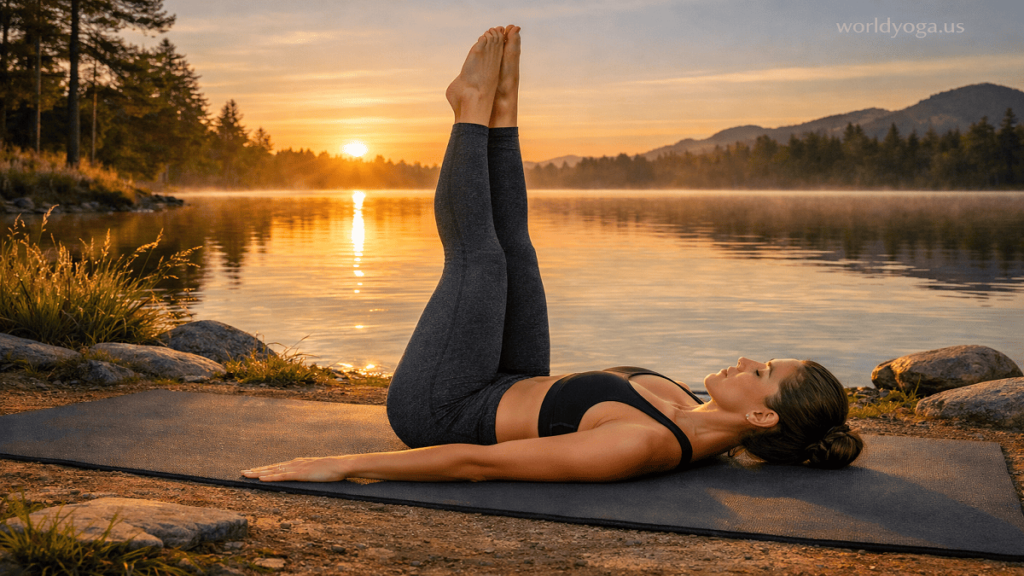
What is the proper alignment in this supine leg-raising pose?
Proper alignment in Urdhva Prasarita Padasana is essential to ensure safety, maximize core engagement, and prevent strain on the lower back or neck. Although the pose appears simple, correct positioning of the spine, pelvis, legs, and shoulders determines how effectively the body benefits from the practice.
The posture begins with the body lying flat on the back in a neutral supine position. The spine should rest evenly on the mat without excessive arching or flattening. The natural curve of the lower back should be gently supported, not forced into contact with the floor. The head remains centered, with the neck long and relaxed to avoid unnecessary tension.
Shoulder alignment plays an important role in maintaining stability. The shoulders should be broad, relaxed, and grounded evenly on the mat. They should not lift or round forward during the pose. The chest remains open but not forced upward, allowing the upper body to stay calm and steady throughout the movement.
Arm placement should provide support without creating tension. Typically, the arms are placed alongside the body with palms facing down. This helps anchor the upper body and maintain balance. For additional support, especially for beginners, the hands may be placed under the hips to help stabilize the pelvis and reduce strain on the lower back.
The pelvis should remain stable and neutral throughout the pose. As the legs lift, it is important to avoid excessive tilting of the pelvis or arching of the lower spine. Engaging the lower abdominal muscles helps keep the pelvis steady and protects the lumbar region from unnecessary pressure.
Leg alignment is a key focus in this posture. Both legs should be lifted together in a controlled manner, remaining straight and parallel. The knees should stay extended without locking, allowing the muscles to remain active. The inner thighs should be engaged to keep the legs aligned and prevent them from drifting apart. The feet should be active, with toes pointing upward or slightly flexed depending on comfort and control.
Core engagement is the foundation of proper alignment. The abdominal muscles, especially the lower abs, should remain gently activated throughout the pose. This engagement stabilizes the spine and supports the weight of the legs. Without proper core activation, the lower back may arch excessively, leading to discomfort or strain.
Breathing also supports correct alignment. Smooth, steady breathing helps maintain relaxation and prevents unnecessary muscular tension. The breath should remain natural and continuous throughout the pose without being held or forced.
The neck and facial muscles should remain relaxed at all times. Tension in these areas often indicates overexertion or misalignment in the lower body. The focus should remain on controlled abdominal engagement rather than effort in the upper body.
Maintaining proper alignment in this supine leg-raising pose ensures safe practice and enhances its benefits, including core strengthening, improved flexibility, better circulation, and spinal stability. With consistent attention to alignment and mindful movement, practitioners can safely develop strength and control over time.
#Urdhva Prasarita Padasana in Ahemadabad
Which muscles are engaged during the posture?
Urdhva Prasarita Padasana is a highly effective supine yoga posture that engages multiple muscle groups across the core, lower body, and supporting stabilizing muscles. Although it appears simple, holding both legs in an elevated position requires continuous muscular coordination, making it an excellent exercise for core strength, stability, and flexibility development.
The primary muscles engaged during this posture are the abdominal muscles. The rectus abdominis plays a central role in lifting and holding the legs while preventing excessive arching of the lower back. This muscle helps maintain stability and supports spinal alignment throughout the pose. Alongside it, the transverse abdominis acts as a deep stabilizer, providing internal support to the spine and pelvis and helping maintain core control during the hold.
The oblique muscles, located on the sides of the abdomen, are also activated to assist in stabilizing the torso. While the posture does not involve twisting, the obliques contribute to balance and help maintain symmetrical alignment of the hips and trunk.
The hip flexor muscles are heavily engaged in Urdhva Prasarita Padasana. The iliopsoas is one of the key muscles responsible for lifting and maintaining the legs in an elevated position. The rectus femoris, part of the quadriceps group, also assists in hip flexion and leg stability. These muscles work continuously to support the weight of the legs against gravity.
The quadriceps muscles at the front of the thighs remain active throughout the posture to keep the knees extended. They help maintain straight leg alignment and improve muscular endurance. The adductor muscles of the inner thighs also play a supportive role by keeping the legs aligned and close together during the hold.
The lower back muscles, particularly the erector spinae group, provide structural support to the spine. While the core does most of the stabilizing work, these muscles assist in maintaining spinal alignment and preventing collapse of the lower back. Proper coordination between the abdominal muscles and lower back is essential for safe practice.
The gluteal muscles contribute to pelvic stability, helping maintain a neutral position of the hips. Although they are not the primary focus, they support overall balance and alignment in the posture.
The calf muscles and ankle stabilizers are lightly engaged to maintain foot positioning. Whether the toes are pointed or flexed, these muscles help maintain control and alignment of the lower legs.
Even the upper body plays a supportive role. The shoulder and arm muscles assist in grounding the body against the mat, especially when the hands are placed beside the body or under the hips for support. This grounding action helps reduce unnecessary movement and improves stability.
Overall, Urdhva Prasarita Padasana engages a coordinated network of muscles including the abdominal core, hip flexors, quadriceps, inner thighs, lower back, and stabilizing muscles of the legs and upper body. This full-body engagement makes it a powerful posture for building core strength, improving flexibility, enhancing circulation, and developing better postural control.
#Urdhva Prasarita Padasana in Hyderabad
What preparatory poses are recommended before practicing it?
Preparing the body before practicing Urdhva Prasarita Padasana is essential for ensuring proper alignment, reducing the risk of strain, and improving overall effectiveness of the posture. Since this supine leg-raising pose requires strong core engagement, hamstring flexibility, and lower back stability, suitable preparatory poses help activate the necessary muscle groups and gradually condition the body for safe practice.
One of the most important preparatory poses is Apanasana, or Knees-to-Chest Pose. This gentle posture helps release tension in the lower back and relax the hip region. By softly compressing the abdomen, it also activates the core muscles, making it easier to engage them during the leg-raising movement. It is especially beneficial for beginners who need to build awareness of abdominal control.
Supta Padangusthasana, also known as Reclining Hand-to-Big-Toe Pose, is another highly effective preparation posture. This pose provides a deep stretch to the hamstrings, calves, and hips while improving leg flexibility and alignment. Since tight hamstrings can limit the ability to maintain straight legs in Urdhva Prasarita Padasana, practicing this stretch helps improve range of motion and reduces muscular resistance.
Setu Bandhasana, or Bridge Pose, is valuable for strengthening the lower back, glutes, and core muscles. It also helps open the hip region and activate the posterior chain. Building strength in these areas supports better stability when lifting and holding the legs in a supine position.
Navasana, or Boat Pose, is particularly effective for activating and strengthening the abdominal muscles. Since Urdhva Prasarita Padasana depends heavily on core endurance, practicing Boat Pose helps develop the necessary abdominal control and stability required to hold the legs steadily against gravity.
Gentle leg-raising exercises performed while lying on the back can also serve as a direct preparation. Slow, controlled lifts of one or both legs help the practitioner develop awareness of core engagement and spinal alignment. These movements build foundational strength needed for the full posture.
Cat-Cow Pose, or Marjaryasana-Bitilasana, is useful for warming up the spine and improving mobility. The flowing motion between flexion and extension increases spinal flexibility and prepares the back muscles for stabilization during the leg lift.
Hamstring stretches, such as seated forward bends or standing forward folds, can also be included in the preparation routine. These stretches help reduce tightness in the back of the legs, allowing smoother and more controlled leg extension during the posture.
Breathing exercises are equally important before beginning the practice. Deep diaphragmatic breathing helps calm the nervous system, improve focus, and encourage better muscle coordination during movement.
Incorporating these preparatory poses into a yoga routine ensures that the body is adequately warmed up, flexible, and stable before attempting Urdhva Prasarita Padasana. This not only improves performance but also enhances safety, reduces strain, and supports long-term progress in yoga practice.
#Urdhva Prasarita Padasana in Delhi
What are the benefits and precautions of Urdhva Prasarita Padasana?
Urdhva Prasarita Padasana is a simple yet highly effective supine yoga posture that focuses on strengthening the core, improving flexibility, and enhancing overall circulation. Because it involves controlled leg elevation while maintaining spinal stability, it offers both strengthening and restorative benefits. However, proper precautions are essential to ensure safe practice and avoid unnecessary strain on the lower back or hips.
Benefits of Urdhva Prasarita Padasana
One of the primary benefits of this posture is improved core strength. The abdominal muscles, including the rectus abdominis and transverse abdominis, remain continuously engaged to support and stabilize the lifted legs. This strengthens the midsection, improves posture, and enhances overall body control.
The pose also helps improve flexibility in the hamstrings, calves, and hips. As the legs are extended upward, the posterior muscles experience a gentle stretch. Regular practice can reduce tightness caused by prolonged sitting and improve mobility in the lower body, making daily movements smoother and more efficient.
Another important benefit is enhanced blood circulation. Elevating the legs above heart level supports venous return, which may reduce fatigue, heaviness, and mild swelling in the lower limbs. This makes the posture particularly useful for individuals who spend long hours standing or sitting.
Urdhva Prasarita Padasana also supports spinal stability and posture improvement. By engaging the core and maintaining a neutral spine, the posture strengthens the muscles responsible for supporting the back and pelvis. Over time, this can improve posture awareness and reduce discomfort associated with weak abdominal muscles or poor sitting habits.
In addition, the posture promotes relaxation and mental calmness. The combination of steady breathing and controlled movement helps calm the nervous system, reduce stress, and improve focus. It is often included in restorative yoga practices due to its soothing effect on both body and mind.
Precautions for Urdhva Prasarita Padasana
Despite its benefits, certain precautions should be followed to ensure safe practice. Individuals with lower back injuries or chronic lumbar pain should practice carefully or avoid the posture unless guided by a qualified instructor. Incorrect alignment or excessive arching of the spine may worsen discomfort.
Those with severe hamstring tightness should avoid forcing the legs into a fully vertical position. Instead, they should keep a slight bend in the knees until flexibility improves. Overstretching can lead to muscle strain or discomfort.
People with neck problems should ensure that the head and shoulders remain relaxed on the floor throughout the pose. Any tension in the upper body may indicate poor alignment or unnecessary strain.
Pregnant individuals or those recovering from abdominal surgery should consult a healthcare professional before practicing this posture. The abdominal engagement required in the pose may not be suitable in certain conditions.
It is also important to avoid holding the breath during practice. Steady, controlled breathing helps maintain relaxation and reduces muscular tension. Practicing the pose on an empty stomach or several hours after eating is generally recommended for comfort.
Beginners should start with shorter holding times and gradually increase duration as strength and stability improve. Using support under the hips or slightly bending the knees can help maintain proper alignment during early practice stages.
Conclusion
Urdhva Prasarita Padasana offers a balanced combination of strength, flexibility, circulation, and relaxation benefits. When practiced with proper alignment and mindful breathing, it becomes a valuable posture for improving core stability, lower body mobility, and overall wellness. However, attention to precautions is essential to ensure safe and effective practice for long-term benefits.
#Urdhva Prasarita Padasana in Pune
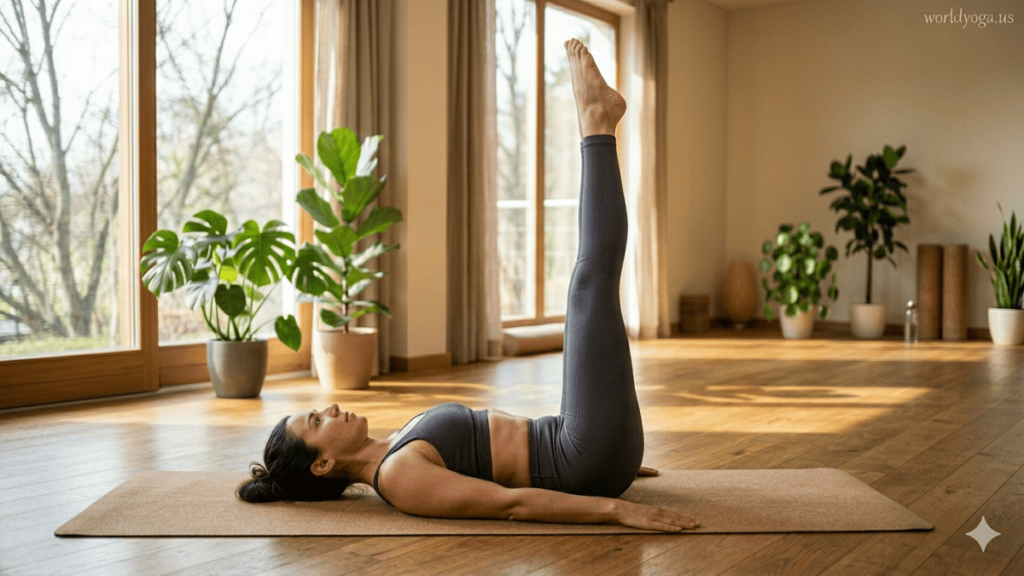
Case Study of Urdhva Prasarita Padasana
Urdhva Prasarita Padasana is a widely practiced supine yoga posture known for improving core strength, enhancing flexibility, and supporting healthy circulation. This case study highlights the practical impact of the posture on an individual experiencing lifestyle-related physical discomfort due to prolonged sitting and reduced physical activity.
Background of the Subject
The subject of this case study was a 34-year-old software professional who worked in a sedentary environment for more than eight hours daily. Over time, the individual developed common issues associated with prolonged sitting, including lower back stiffness, tight hamstrings, reduced core strength, and occasional fatigue in the legs. The subject also reported reduced flexibility and poor posture, especially after long working hours.
Although no major medical condition was diagnosed, the lifestyle pattern significantly affected overall mobility, energy levels, and physical comfort.
Intervention Plan
To address these concerns, a structured yoga program was introduced under the supervision of a certified yoga instructor. Urdhva Prasarita Padasana was included as a key posture within a broader sequence focused on core strengthening, spinal mobility, and lower body flexibility.
The intervention program was designed as follows:
- Duration: 6 weeks
- Frequency: 5 sessions per week
- Session length: 30–40 minutes
- Supporting poses: Apanasana, Setu Bandhasana, and Supta Padangusthasana
- Breathing practice: Deep diaphragmatic breathing and controlled exhalation techniques
Initially, the posture was practiced with bent knees to reduce strain and gradually build strength and alignment awareness.
Observations During Practice
During the first two weeks, the subject experienced difficulty maintaining straight legs and sustained core engagement. Mild discomfort in the hamstrings and lower abdomen was observed, which is common for beginners. However, with consistent practice and guided corrections, noticeable improvements in control and stability began to emerge.
By the fourth week, the subject demonstrated improved ability to hold the legs in a vertical position with better spinal alignment and reduced lower back tension. Core engagement became more consistent, and hamstring flexibility showed measurable improvement.
Outcomes After Six Weeks
At the end of the six-week intervention, several positive outcomes were recorded:
- Improved abdominal strength and core stability
- Increased hamstring and lower back flexibility
- Reduced lower back stiffness after long working hours
- Enhanced blood circulation in the lower limbs, leading to reduced fatigue
- Improved posture awareness during daily sitting activities
- Better relaxation response and reduced stress levels
The subject also reported improved sleep quality and increased overall energy levels throughout the day.
Discussion
The results of this case study indicate that Urdhva Prasarita Padasana can be an effective addition to wellness programs aimed at counteracting the effects of sedentary lifestyles. The posture’s combination of core activation, controlled leg elevation, and mindful breathing contributes to both physical and mental improvements.
However, the study also highlights the importance of gradual progression and proper alignment. Without correct technique, beginners may experience strain in the lower back or hamstrings. Professional guidance is recommended to ensure safe and effective practice.
Conclusion
Urdhva Prasarita Padasana demonstrates strong potential as a simple yet powerful yoga posture for improving core strength, flexibility, circulation, and posture. When practiced consistently and correctly, it supports overall physical well-being and helps address common issues associated with modern sedentary lifestyles.
#Urdhva Prasarita Padasana in Banglore
White Paper of Urdhva Prasarita Padasana
Introduction
Urdhva Prasarita Padasana is a foundational supine yoga posture widely practiced for improving core strength, enhancing lower-body flexibility, and supporting healthy circulation. The posture involves lying on the back while lifting both legs upward in a controlled and aligned manner, requiring steady abdominal engagement and spinal stability.
In modern health contexts, where sedentary behavior, prolonged sitting, and reduced physical activity are common, this posture is increasingly recognized as a practical tool for preventive wellness. It is used in yoga therapy, fitness programs, and rehabilitation-based movement systems due to its simplicity, adaptability, and effectiveness.
This white paper explores the physiological, functional, and wellness applications of Urdhva Prasarita Padasana, along with its benefits, precautions, and relevance in contemporary health practices.
Overview of the Posture
Urdhva Prasarita Padasana is performed in a supine position with both legs lifted vertically while maintaining a neutral spine and engaged core. The posture can be practiced in basic or modified forms depending on flexibility and strength levels.
It is commonly included in yoga sequences focused on:
- Core strengthening
- Lower-body flexibility
- Postural alignment
- Circulatory improvement
- Restorative relaxation
Its accessibility makes it suitable for beginners as well as advanced practitioners when properly guided.
Physiological Benefits
Core Strength Development
The posture actively engages the rectus abdominis, transverse abdominis, and oblique muscles. These muscles work together to stabilize the pelvis and spine while supporting the weight of the legs. Regular practice improves abdominal endurance, core stability, and postural control.
Lower-Body Flexibility
Urdhva Prasarita Padasana provides a controlled stretch to the hamstrings, calves, and hip muscles. This helps reduce muscular tightness, improve mobility, and support better functional movement patterns in daily activities.
Improved Circulation
By elevating the legs above heart level, the posture promotes venous return and supports healthy blood flow. This may help reduce fatigue, swelling, and heaviness in the lower limbs, particularly in individuals with sedentary or standing-intensive lifestyles.
Spinal Support and Alignment
Maintaining a neutral spine while engaging the core strengthens the muscles that support the lower back and pelvis. This contributes to improved posture awareness and reduced discomfort associated with weak abdominal and back muscles.
Mental and Wellness Benefits
The posture encourages controlled breathing and mindful awareness, which helps activate the parasympathetic nervous system. This results in reduced stress, improved relaxation, and enhanced mental clarity. It is often included in restorative yoga practices due to its calming effect on both body and mind.
Risks and Precautions
Although generally safe, Urdhva Prasarita Padasana requires proper technique and awareness. Key precautions include:
- Avoid if experiencing severe lower back injuries without professional guidance
- Do not force legs into vertical position if hamstrings are tight
- Keep knees slightly bent if necessary for comfort and safety
- Avoid holding breath during the posture
- Pregnant individuals or post-surgical patients should seek medical advice
Proper alignment and gradual progression are essential to prevent strain and ensure effective practice.
Applications in Wellness Systems
This posture is widely used in:
- Yoga therapy programs for spinal and core rehabilitation
- Corporate wellness initiatives for reducing sedentary strain
- Fitness training for core stability and flexibility development
- Physiotherapy support programs for mild mobility improvement
- Stress management and relaxation-based yoga routines
Its versatility makes it valuable across multiple health and wellness disciplines.
Conclusion
Urdhva Prasarita Padasana is a highly effective yoga posture that combines simplicity with significant physical and mental benefits. It enhances core strength, improves flexibility, supports circulation, and promotes relaxation.
#Urdhva Prasarita Padasana in Kolkata
Industry Application of Urdhva Prasarita Padasana
Urdhva Prasarita Padasana is a foundational supine yoga posture widely recognized for improving core strength, enhancing flexibility, and supporting healthy circulation. Because of its simplicity, adaptability, and therapeutic value, it is increasingly being applied across multiple industries that focus on health, wellness, performance, and preventive care. Its ability to be modified for different fitness levels makes it suitable for corporate environments, healthcare systems, sports training, education, and wellness tourism.
Corporate Wellness Industry
In modern corporate environments, employees often experience health issues related to prolonged sitting, poor posture, and stress. Urdhva Prasarita Padasana is commonly included in workplace wellness programs to counteract these effects. The posture helps reduce lower back stiffness, improve blood circulation in the legs, and strengthen the core muscles. It also encourages relaxation through controlled breathing, which can help reduce work-related stress and improve productivity and focus.
Fitness and Yoga Industry
The fitness and yoga industry uses Urdhva Prasarita Padasana as part of core conditioning and flexibility training programs. Yoga instructors incorporate this posture into beginner and intermediate sequences to build abdominal strength and improve hamstring flexibility. Fitness trainers also use it as a low-impact core exercise that supports functional movement and muscular endurance without placing excessive strain on the joints. It is often included in recovery and restorative fitness sessions due to its gentle yet effective nature.
Healthcare and Physiotherapy
In healthcare and physiotherapy settings, Urdhva Prasarita Padasana is used as a supportive therapeutic exercise under professional supervision. It may be recommended for individuals experiencing mild lower back discomfort, reduced mobility, or circulation-related issues. The posture supports spinal alignment, strengthens core stabilizers, and improves venous return in the lower limbs. However, healthcare professionals typically adapt the posture based on patient conditions to ensure safety and effectiveness.
Sports and Athletic Training
Athletes benefit from Urdhva Prasarita Padasana as part of their flexibility and recovery routines. Strong core muscles and flexible hamstrings are essential for athletic performance and injury prevention. This posture helps improve abdominal endurance, lower-body mobility, and muscular control. Sports trainers often include it in cooldown sessions to promote recovery, reduce muscle fatigue, and enhance circulation after intense physical activity.
Education Sector
Educational institutions are increasingly integrating yoga and mindfulness practices into student wellness programs. Urdhva Prasarita Padasana is suitable for students as it is easy to perform and requires minimal space or equipment. It helps improve posture awareness, concentration, and physical flexibility. Regular practice may also support stress reduction among students dealing with academic pressure and screen-heavy study routines.
Wellness Tourism and Hospitality
The wellness tourism industry, including yoga retreats, spa centers, and holistic healing resorts, frequently incorporates Urdhva Prasarita Padasana into relaxation and rejuvenation programs. The posture is used to promote deep relaxation, improve circulation, and enhance body awareness. It contributes to a calming experience for guests seeking stress relief and physical rejuvenation in wellness-focused environments.
Conclusion
Urdhva Prasarita Padasana has broad industry applications due to its versatility, accessibility, and therapeutic benefits. From corporate wellness and healthcare to fitness, sports, education, and wellness tourism, this posture plays a valuable role in promoting physical health, mental relaxation, and preventive care. As organizations continue to prioritize holistic well-being, its relevance across industries is expected to grow further.
#Urdhva Prasarita Padasana in Mumbai
Ask FAQs
What is Urdhva Prasarita Padasana?
Urdhva Prasarita Padasana is a supine yoga posture where both legs are lifted upward while lying on the back. It is practiced to improve core strength, flexibility, and overall body stability.
What are the main benefits of this pose?
The pose helps strengthen abdominal muscles, improve hamstring flexibility, support spinal alignment, and enhance blood circulation. It also promotes relaxation and reduces stress when practiced regularly.
Is Urdhva Prasarita Padasana suitable for beginners?
Yes, beginners can practice this pose with modifications such as bending the knees slightly or using hand support under the hips. Gradual practice helps build strength and flexibility safely.
Are there any precautions to follow?
People with lower back injuries, severe hamstring tightness, or neck issues should practice cautiously or consult a yoga instructor. It is also important to avoid forcing the legs or holding the breath during the pose.
How long should the pose be held?
Beginners can hold the pose for 15 to 30 seconds, gradually increasing the duration as strength improves. Consistent practice with proper alignment and breathing is more important than holding time.
Table of Contents
Desclaimer
The information provided about Urdhva Prasarita Padasana is for educational and informational purposes only. It is not a substitute for medical advice. Individuals with injuries, medical conditions, or physical limitations should consult a qualified healthcare professional or certified yoga instructor before practicing this posture.